Millwood shop owner hides crystals on trails to spark outdoor adventures
Jenny Dykes hides crystals on Inland Northwest trails, turning a Millwood shop into a low-cost scavenger hunt that pulls neighbors outdoors.
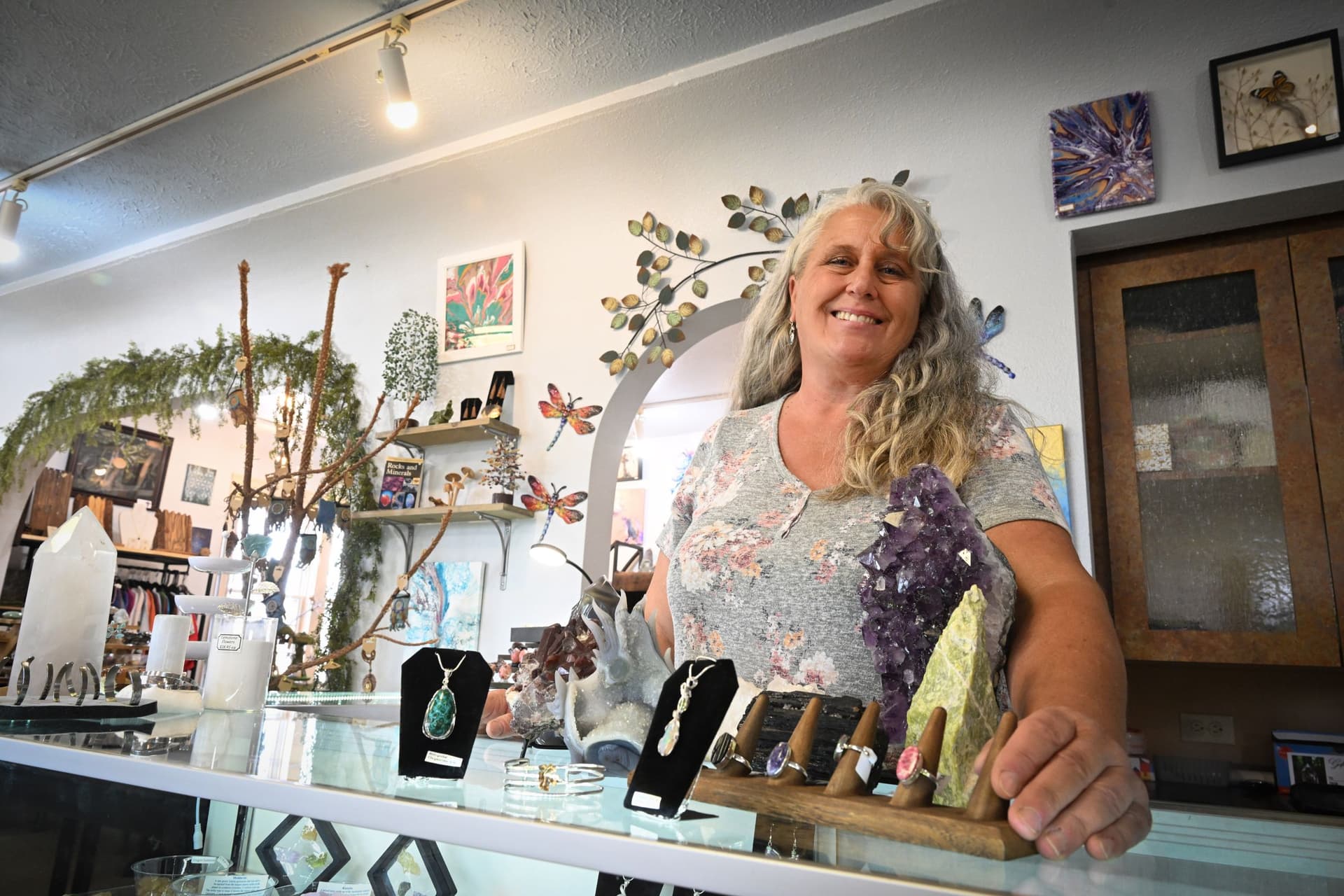
A Millwood shop owner has turned a simple crystal into a reason to hit the trail. Jenny Dykes hides gems and mineral specimens along Inland Northwest routes, then posts clues online so other people can go looking for them, one hunt at a time.
How the crystal hunt works
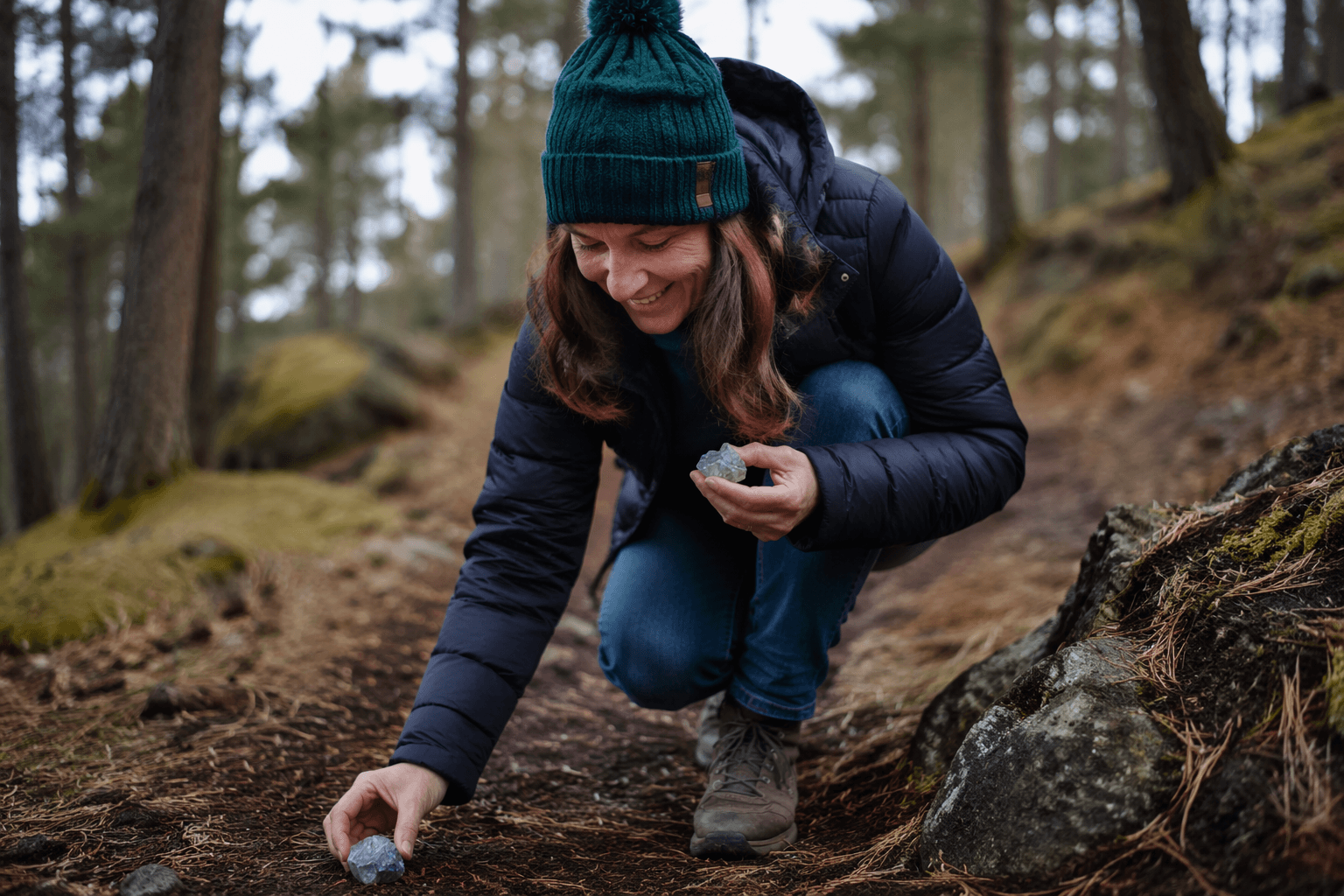
Each outing starts with a route choice. Dykes picks a different trail for each hunt, then gives people enough detail to narrow the search, including what trail she used, what stone she left behind and hints about where to look.
That structure matters because it turns a casual post into a shared local game. The clues move quickly through social media, and the hunt becomes part scavenger chase, part invitation to spend an afternoon outside. It is not a one-time stunt, either. Dykes has been placing gems and mineral specimens along Inland Northwest paths since the pandemic, building a habit rather than a headline.
The mechanics are simple, but they reward attention. Instead of treating rocks as inventory alone, she uses them as markers that send people into the landscape, where the real prize is the walk, the search and the surprise at the end.
Why it lands with local families
The appeal is partly a reaction to how a lot of daily life has shifted indoors. Dykes has framed the activity as a way to pull families and kids away from screens and into something physical, local and low-pressure.
That gives the hunt a different feel from a formal event or a retail promotion. No ticket booth, no grandstand, no schedule to manage. Just a clue, a trail and a small object waiting somewhere along the route. For people who already hike, rockhound or spend time on public land, the format fits an existing habit and adds a playful layer to it.
The result is a community experience built around discovery. People are not just buying something or attending a program. They are following a trail, looking more closely at the ground beneath them and sharing a small win when they find what was hidden.
Stone Crazy’s longer local story
Dykes, 55, has been running Stone Crazy in Millwood since 1999, which gives the crystal hunts a deeper local history than a quick social media novelty might suggest. The shop originally operated downtown near Auntie’s bookstore for its first six years before Dykes eventually closed the brick-and-mortar location.
That history matters because it shows the hunts coming from an established local business, not a pop-up idea. Stone Crazy on Argonne Road sits inside a long-running relationship with Kootenai County customers who already know Dykes as a rock, gem and collectible seller. The trail project extends that identity beyond the storefront and into the places where people already spend time.
For a small business, that kind of presence is unusual but effective. Instead of competing only on shelves and counters, Dykes has made her shop memorable through motion, curiosity and a shared outdoor ritual that keeps her name in circulation even when no one is standing at the register.
Why Kootenai County is good terrain for it
Kootenai County gives this idea room to work. The U.S. Census Bureau counted 171,362 residents in the county on April 1, 2020, and estimated the population at 191,864 by July 1, 2025. That growth helps explain why simple, flexible outdoor activities have such broad appeal.
The county government says Kootenai County covers 1,310 square miles and includes 18 lakes, 56 miles of navigable rivers and about 360,000 acres of National Forest. Those numbers point to a place built around public access, trail use and weekend movement. A crystal hunt fits neatly into that environment because it asks people to use the landscape they already value.
The region’s trail culture adds another layer. The Trail of the Coeur d’Alenes is a 73-mile paved trail in the Idaho panhandle, and the Rails to Trails Conservancy named it one of the 25 top trails in the nation in 2010. In a county where trail names are part of everyday geography, a hidden stone does not feel far-fetched. It feels like a natural extension of how people already move through the area.
The rules and the broader outdoor habit
The ritual also aligns with Idaho’s collecting culture. The Idaho Department of Lands says state endowment trust lands are open to casual exploration for gemstones and mineral specimens unless the land is under a valid exploration location or mineral lease. The Bureau of Land Management says collecting rocks, mineral specimens, gemstones, petrified wood and common invertebrate fossils on BLM public lands is generally considered a casual-use activity that does not require a permit, fee or notification when rules are followed.
That legal backdrop helps explain why the practice feels familiar rather than unusual. Idaho already has a public-land culture where people look, pick up, compare and keep going. Dykes’ hunts fold that instinct into a guided, social version of rockhounding.
It also fits with how Idaho supports outdoor recreation more broadly. The state’s 2023-2027 outdoor recreation plan says outdoor recreation grants fund about $10 million to $12 million in trail, playground, park and other recreational amenities each year. That is the larger ecosystem around a small crystal left on a path: trails, public access and a steady public appetite for getting outside without spending much.
In that context, Dykes’ trail hunts read as more than a quirky promotion. They are a local habit with a clear purpose, a Millwood business using geology, curiosity and trail culture to pull people into the open air.
This article was produced by Prism’s automated news system from verified source data, official records, and press releases, then run through automated quality and moderation checks before publishing. The system is built and supervised by the people who set the standards it runs under. Read our full AI policy.
Did this article answer your question?