Miracle on Britton homes sold out as Kootenai housing costs climb
Casey and Daniel Doyle bought into a sold-out Post Falls neighborhood built for middle-income buyers, as 28 homes at Miracle on Britton tested a new housing model.

For Casey Doyle and her husband, Daniel, homeownership in Kootenai County had started to feel out of reach. Their purchase in Post Falls put them inside Miracle on Britton, a 4.65-acre neighborhood where all 28 homes have already sold even as county housing costs keep climbing.
The development on Britton Road off Greensferry Road is more than a new subdivision. Spearheaded by the Panhandle Affordable Housing Alliance, it is a fee-simple, shared-equity project built through a certified deed restriction management program. That means the homes are permanently restricted to qualifying incomes, must remain owner-occupied and use a resale formula designed to let families build some wealth without pricing the next buyer out.

Maggie Lyons, the alliance’s executive director, has framed the project around the gap between wages and the market. The homes were never meant to hit open-market prices, and that is the point: keep them attainable for households that earn too much for assistance but not enough to buy at today’s rates. At the project’s launch, the alliance said 26 homes would be affordable to households earning $75,000 to $116,000, about 80% of area median income, with two homes aimed at households earning about $125,000.
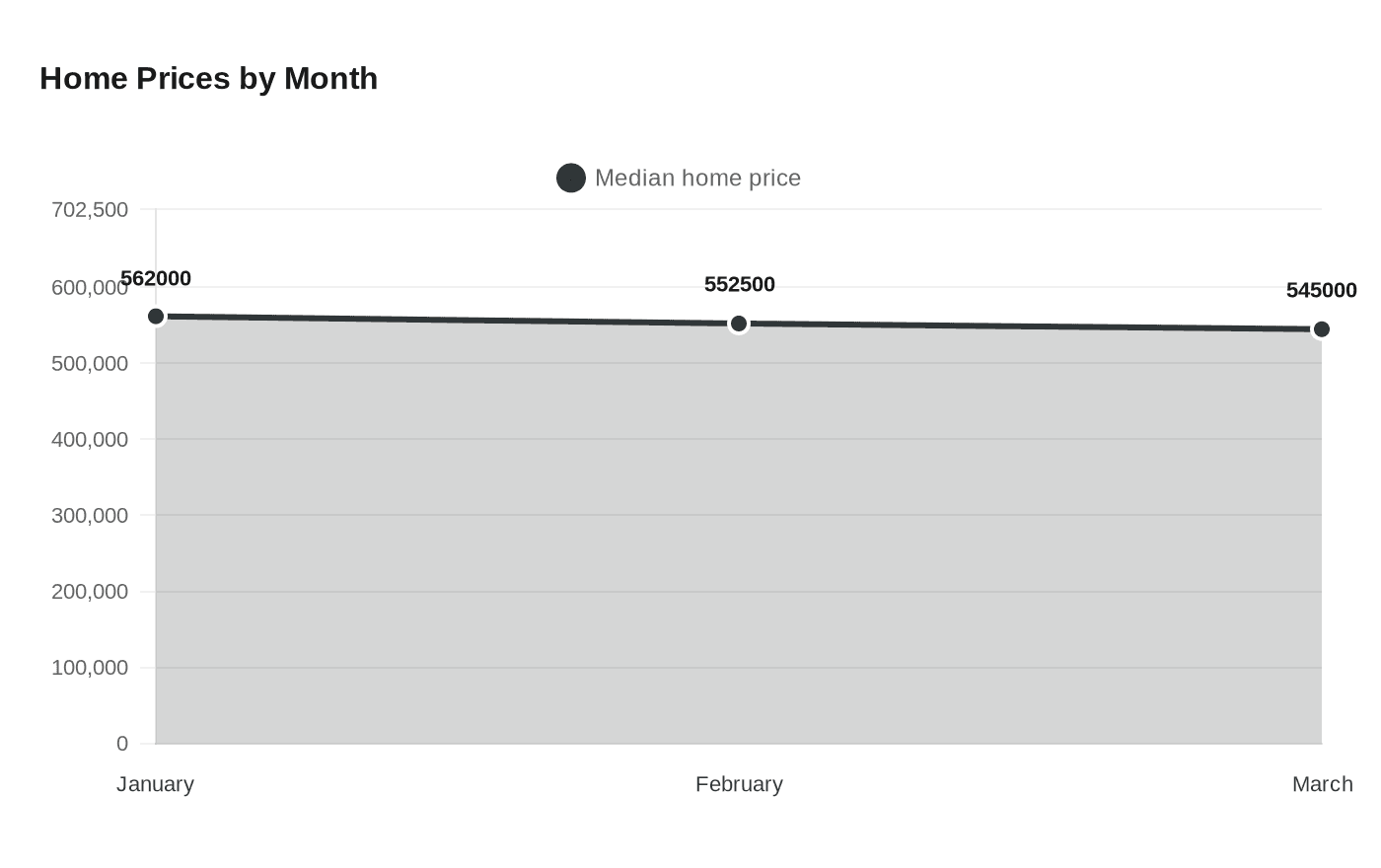
That target group is exactly where the market pressure is squeezing hardest. In Kootenai County, the median single-family home price was $562,000 in January, then $552,500 in February and $545,000 in March. A county housing-growth workshop estimated households earning the area median income face a gap of about $182,000 between what they can afford and the region’s median home price. Local housing leaders have also said the county needs 27,388 additional housing units by 2030.
Miracle on Britton was designed as a test case for people who still work here, raise families here and want to stay here. The buyers reflect that goal: 90% are dual-income households earning roughly $79,000 to $120,000 a year, the average household income is about $97,000, and 95% were raised in Kootenai County. Most buyers are between 22 and 34 years old.
Lyons called the project a “first-in-the-nation solution” for working families whose wages have not kept up with market-rate prices, and said the “ripple effect” had already begun. Two builders in Kootenai County planned to use the model in future developments, and Hayden Homes has partnered with the alliance on deed restrictions in the Solara subdivision in Rathdrum, where about 21 of 436 lots were set aside for workforce housing with preference for Lakeland School District teachers and staff.
The larger stakes are economic, not just residential. A 2023 report tied the housing shortage to 5,340 lost jobs, $535 million in reduced gross regional product, $435 million in lost payroll and $28 million in lost taxes. It also found about 45% of Kootenai County households could not afford the market rent cited at the time. Miracle on Britton’s final buildout, including a 6,800-square-foot park, is expected by the end of summer, but the bigger question is whether Kootenai County can produce enough of these homes to keep its middle-income workforce from being pushed out.
This article was produced by Prism’s automated news system from verified source data, official records, and press releases, then run through automated quality and moderation checks before publishing. The system is built and supervised by the people who set the standards it runs under. Read our full AI policy.
Did this article answer your question?