North Idaho students win Youth Water Summit for water solutions
At the Kootenai County Fairgrounds, about 300 students tackled local water problems, and Coeur d'Alene High’s Isabella Schmehl emerged as one of the winners.

The biggest water story in Kootenai County this spring came from the Kootenai County Fairgrounds, where about 300 high school students turned local water problems into science projects with real public stakes. Coeur d'Alene High student Isabella Schmehl was among the North Idaho winners, putting a familiar local school at the center of a regional push to rethink how students learn about water.
The Youth Water Summit, held May 19, asked students to investigate community water issues, build research skills and present solutions in front of an audience. That matters in a county where water is not an abstract classroom topic. It shapes drinking water, lake health, rivers, groundwater systems and the long-term decisions that affect how neighborhoods grow and how land is managed around them.
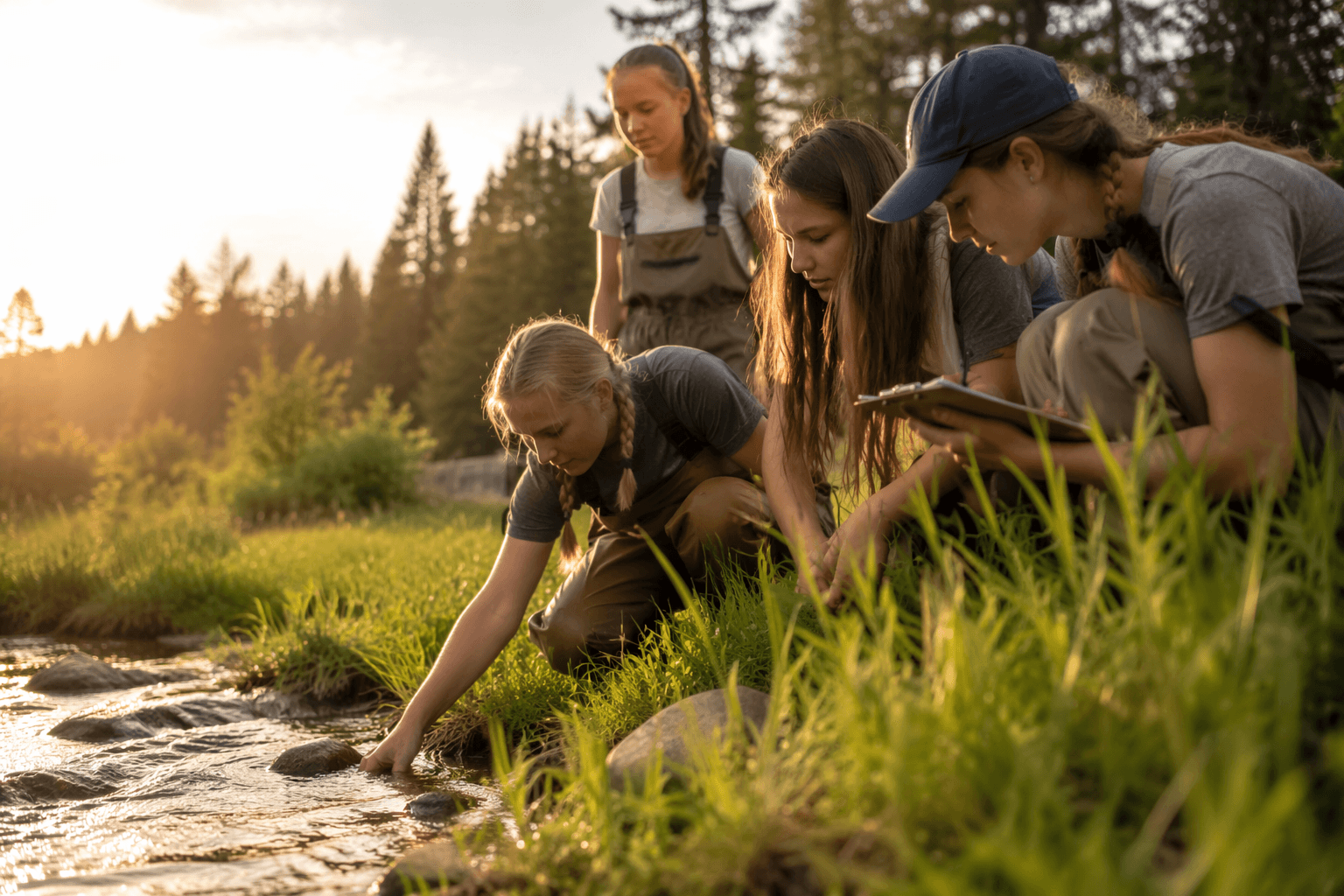
The summit was the capstone of The Confluence Project, a yearlong field science program built through a wide partnership that included the Coeur d'Alene Tribe, Idaho Department of Environmental Quality, Panhandle Health, the Natural Resources Conservation Service, the Basin Environmental Improvement Project Commission, Idaho Extension Water Outreach and Idaho EcosySTEM. The mix of tribal, public health, environmental and conservation partners shows how many different pressures can land on one water system in North Idaho, from ecology and land use to health protection and resource planning.
For Kootenai County residents, the significance goes beyond student trophies. The projects students produced were aimed at real-world challenges, the same kind of issues local agencies and communities must weigh when they talk about conservation habits, future development and protecting water resources for the long term. In that sense, the summit served as both a science showcase and a preview of the kind of problem-solving North Idaho may need more of.
The recognition also signals a shift in how local schools are preparing students. These students were not just memorizing facts about watersheds or pollution. They were studying the water issues that affect the region now and presenting ideas in a setting that connected classrooms to the people and institutions shaping the area’s future.
This article was produced by Prism’s automated news system from verified source data, official records, and press releases, then run through automated quality and moderation checks before publishing. The system is built and supervised by the people who set the standards it runs under. Read our full AI policy.
Know something we missed? Have a correction or additional information?
Submit a Tip