North Idaho swimmers, pet owners warned about harmful algae blooms
Hayden Lake has already drawn a North Idaho advisory, and bloom season can turn a pretty shoreline into a health risk for kids, dogs and swimmers.
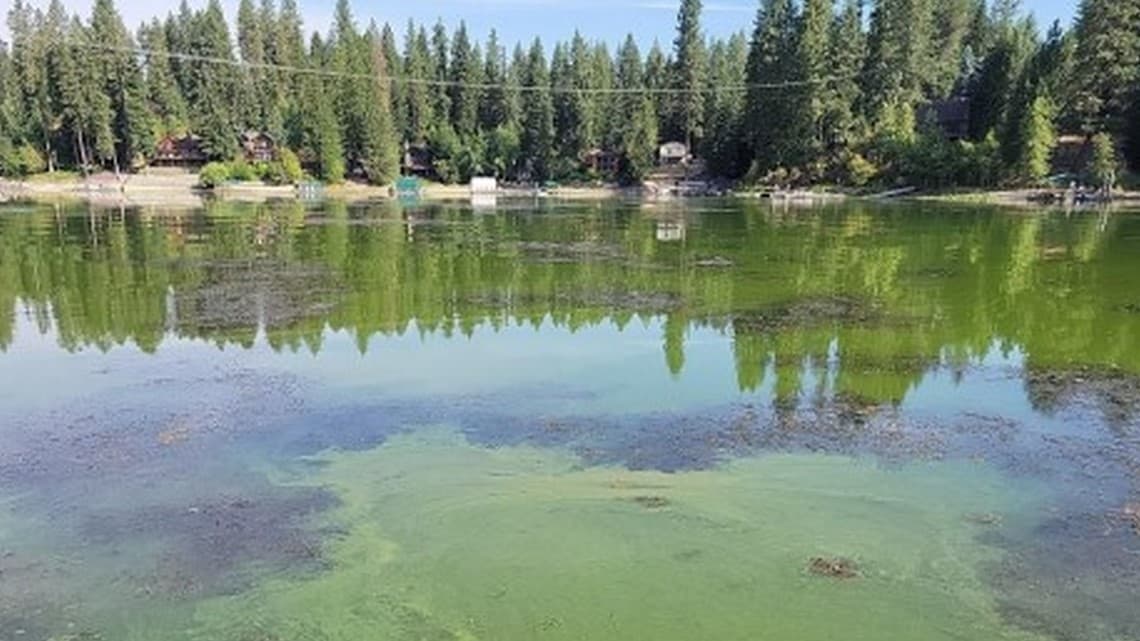
A green scum line on Hayden Lake is a sign to stay out of the water. Panhandle Health District has already warned that cyanobacteria showed up on the north arm from McLeans Bay north, and North Idaho has seen repeated summer advisories in recent seasons. For families heading to the lake or river, the safest rule is simple: if the water looks off, keep out.
What a harmful bloom looks like
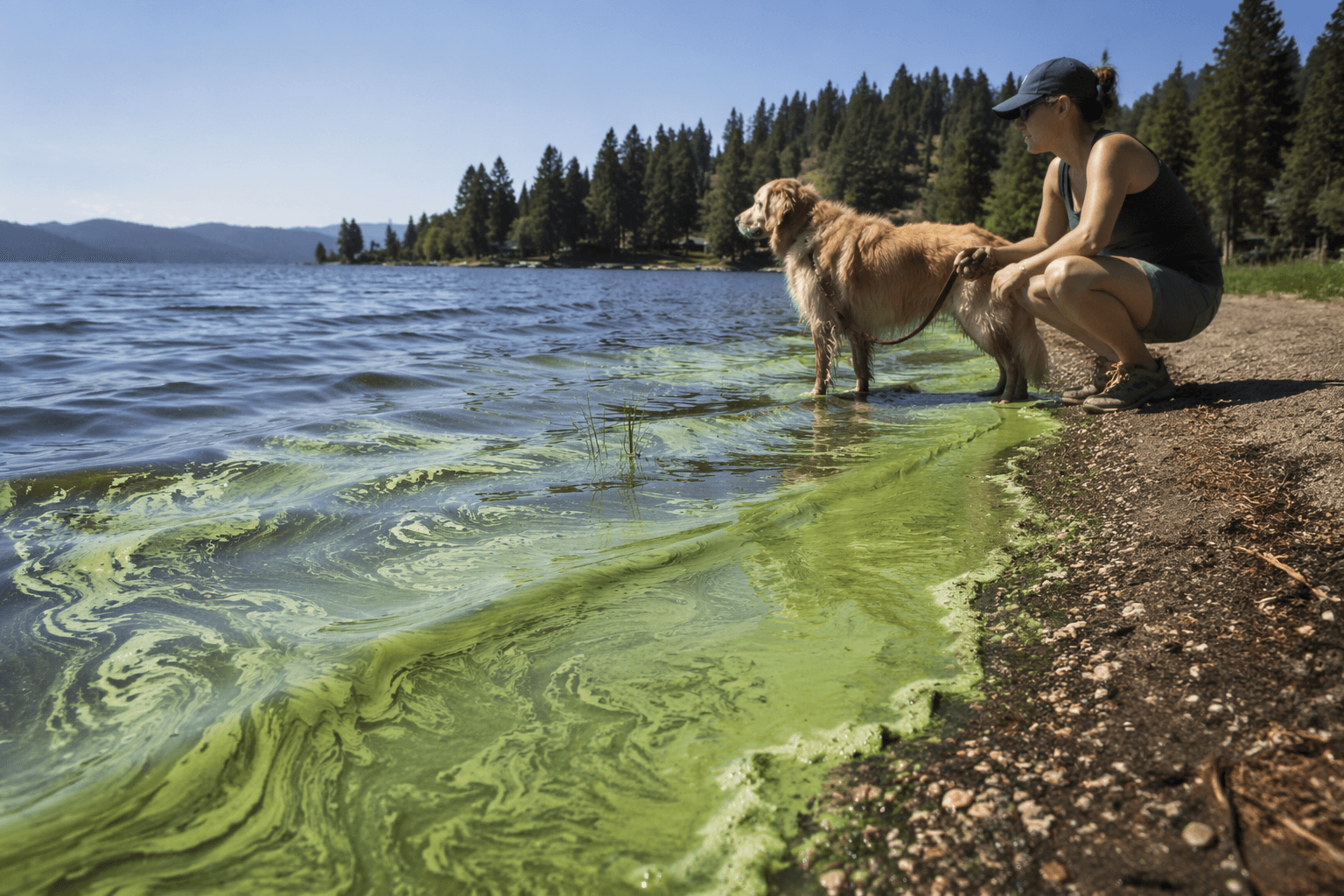
Algae are part of Idaho’s lakes, rivers and streams, but they become a problem when they grow out of control and start to foul the shoreline. Harmful blooms can look like foam, scum, mats, spilled paint or dense surface slicks, and the water can shift to green, blue, brown or red. They may also smell bad, and some blooms sit below the surface, which is one reason a waterbody can look deceptively calm from the bank.
Not every green patch is a toxic bloom. Harmless duckweed and filamentous algae can resemble cyanobacteria, which is why the shoreline test is not just color but texture, odor and how the patch behaves in the water. When in doubt, the clean-looking edge of a cove is not enough to make it safe.
Why Hayden Lake and other North Idaho waters keep coming up
The north arm of Hayden Lake has already been on the advisory list more than once. On July 26, 2024, Panhandle Health District, working with DEQ and Idaho Health and Welfare, issued a public health advisory for the north end of the lake after sampling found cyanobacteria from McLeans Bay north. The district later lifted all harmful algal bloom advisories in the five northernmost counties on November 15, 2024, after field testing ended for the season, then issued another Hayden Lake advisory on July 10, 2025 for the upper end near Sportsman’s Park and the bay north of that point.
HABs can move with wind and water traffic, so one stretch of shoreline can change quickly even if another looks clear. Katherine Hoyer, Panhandle Health District’s public information and communication manager, put the warning bluntly: “If it looks funky, stay out.”
How Idaho labels the risk
Idaho’s cyanobacteria response plan now uses two public risk levels, Health Watch and Health Alert, while toxin results are pending. The state’s 2026 risk summary says advisories are still issued by Idaho Department of Health and Welfare or local public health districts through press releases, and DEQ posts information on its cyanobacteria page, the Recreational Water Health Advisories map and its email list.
Do not wait for a bloom to disappear before you trust the water again. There is no recommended waiting period during or after a HAB, and advisories are not lifted until two consecutive weekly toxin samples are below the contact recreation threshold. If signs of a bloom are there, the water is not ready yet.
What to do immediately if a child or dog is exposed
Get out of the water first, then rinse skin, hair and fur right away with soap and clean water. If you, your kids or your pets touch water that may contain a harmful algal bloom, rinse immediately and contact a healthcare provider or veterinarian if symptoms start; if it is an emergency, call 911. Rinse with tap water right away and call Poison Control at 1-800-222-1222 if symptoms develop.
Watch for headache, stomach pain, nausea, vomiting, diarrhea, rash, cough or shortness of breath in people. Animals can be hit harder and faster: dogs, livestock and wildlife can get very sick or die, and dogs are exposed not only by swallowing water but also by licking cyanobacteria from their fur after swimming. Keep pets out of water that looks or smells bad, and do not assume they are fine because they only swam for a minute.
Why blooms show up when they do
Warm, stagnant or slow-moving water, plenty of sunlight, low-flow or low-water conditions, and excess nutrients such as phosphorus and nitrogen all help blooms grow. CyanoHABs show up most often in summer and into early winter, and fertilizer, sewage and runoff can load water with the nutrients blooms feed on.
Wind, rain and water traffic can shift a bloom around a lake, and toxins can be present even when a bloom is not obvious to the eye.
Why families should take it seriously
Harmful algal blooms can damage aquatic ecosystems and threaten drinking water supplies, property values, commercial and industrial fishing, recreation and local economies. CDC frames the response as a One Health issue because people, animals and the environment are all tied together when a bloom spreads through a lake or river.
How to report a suspected bloom
If you see water that looks like pea soup, scum or paint, report it to Idaho DEQ through its online form, by phone at (866) 671-5385 or by email at algae@deq.idaho.gov. Include the county, waterbody, whether it is public or private, and a description of the bloom. People with any human or animal illness should contact Poison Control at 1-800-222-1222. Check the Recreational Water Health Advisories map before you launch, and report anything suspicious after you leave the ramp.
This article was produced by Prism’s automated news system from verified source data, official records, and press releases, then run through automated quality and moderation checks before publishing. The system is built and supervised by the people who set the standards it runs under. Read our full AI policy.
Did this article answer your question?