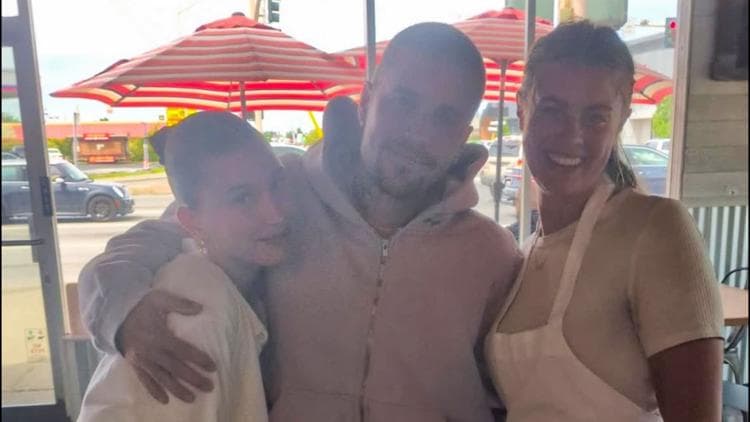
Post Falls Dog Trainer Builds Global Reputation for Behavioral Rehabilitation
Post Falls trainer Stephanie Vichinsky built a waitlist stretching over a year by rehabilitating dogs other trainers refuse, drawing clients from Australia to North Idaho.
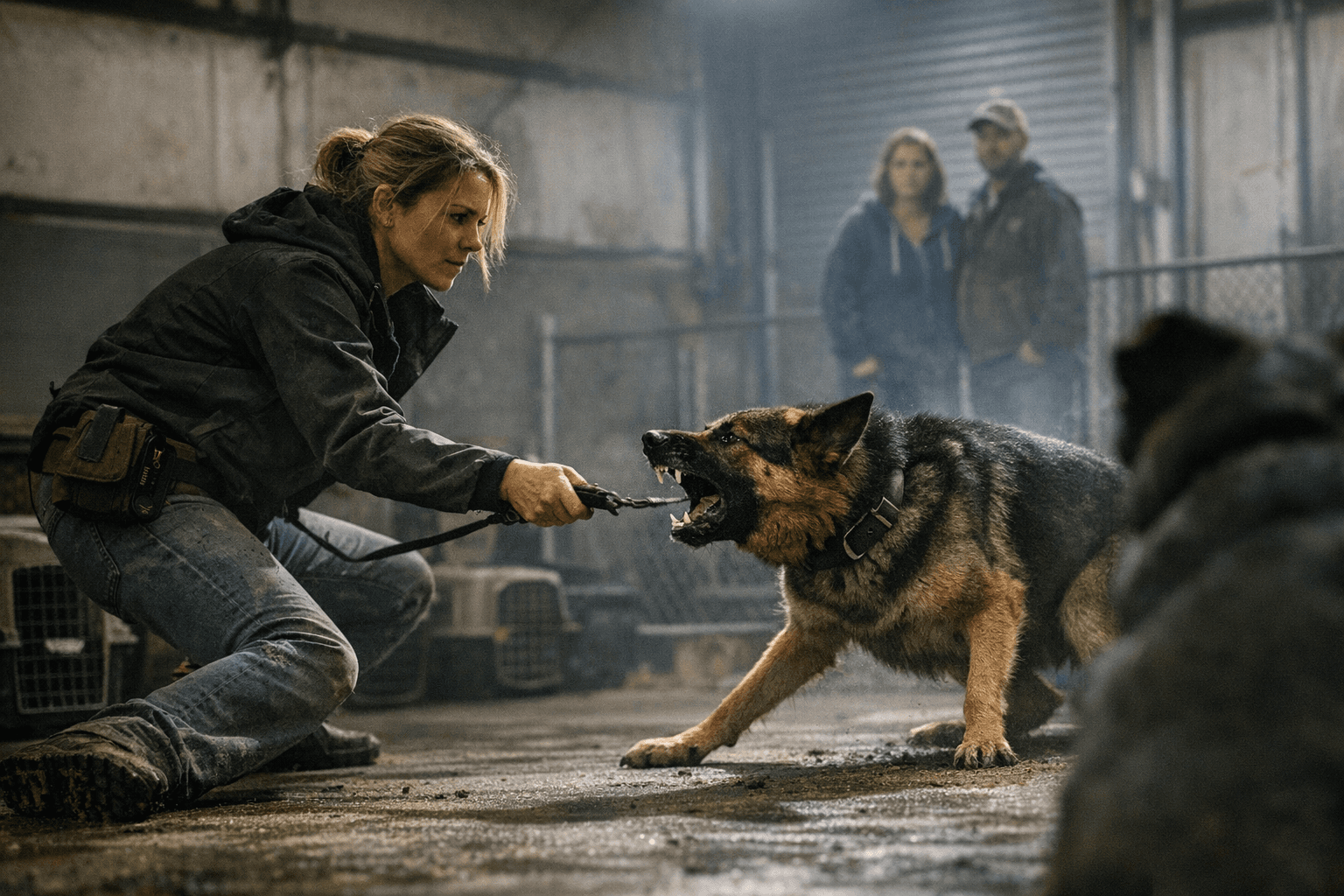
Stephanie Vichinsky grew up in a family with no dogs. That detail, which she has shared publicly, makes the global reach of her Post Falls business all the more striking. Method K9, located at 3370 E Quad Park Court, has become one of the most recognized behavioral rehabilitation programs in the country, pulling clients not just from across the Pacific Northwest but from as far as Australia.
Calmness over commands
The core philosophy at Method K9 separates it from most training programs before a single class begins. Where conventional obedience training teaches dogs to comply with commands, Vichinsky's approach targets the root cause of the behavior rather than the visible symptom. In practice, that means a fearful, reactive, or aggressive dog is not simply taught to sit and stay; it is guided toward a baseline state of calm from which all other behavior follows. The business describes this distinction plainly: obedience training produces compliance, while behavioral training resolves the underlying "why."
That distinction matters most for the cases Method K9 is best known for: dogs other trainers decline to work with. Severe aggression, deep-seated fear, extreme reactivity. These are the animals that frequently cycle through shelters or receive euthanasia recommendations when no behavioral solution appears available. Vichinsky built her reputation, and her waitlist, by saying yes to those cases.
A year-long waitlist and a six-figure following
Demand grew fast enough that the board-and-train program, the flagship service where dogs live at the Post Falls facility while undergoing intensive rehabilitation, became difficult to access. "Our board and train program at one point was booked over a year out as we were trying desperately to help every person who called," Vichinsky said. That pressure did not come solely from North Idaho neighbors: the client base now extends internationally, with owners in Australia among those seeking placement.
Much of that demand traces to social media. As Vichinsky documented her work with difficult cases online, the contrast with trainers recommending euthanasia became visible to a growing audience. Method K9 now counts more than 254,000 Facebook followers, 171,000 Instagram followers, and 340,000 TikTok followers, alongside more than 20,000 YouTube subscribers. The digital footprint is global; the facility is on a quiet industrial court in Post Falls.
Training the owner is the whole point
The board-and-train program is only effective if owners can sustain the results at home, and that concern shapes every service Method K9 offers. Private sessions, group classes, and online courses all carry the same emphasis: owners need to understand what is driving their dog's behavior, not just how to interrupt it in the moment. One client who completed a board-and-train program noted that the most lasting impact was learning to read the dog's cues and advocate for the animal, rather than simply managing its outward behavior. Online coursework, including the Intermediate Foundations course and the 100 Days to Calm program, extends that reach to owners who cannot travel to Post Falls.
Certifying a new generation of trainers
Vichinsky and her team, which includes co-owner and husband Julius Vichinsky along with staff trainers Aurora Bacowsky, Karrie Koerner, and Hope Webster, also operate the Method K9 Institute. The Institute certifies professional trainers through tiered programs covering dog psychology, training mechanics, and business development, with lifetime access to coaching and an extensive video library. Traveling seminars, two-day events that bring the Method K9 team to other regions, are priced at $450 for an observation seat and deliver hands-on curriculum to trainers and serious dog owners alike. That certification network means the methodology being refined in Post Falls is reaching trainers in other markets, multiplying the approach's impact well beyond what a single facility can handle.
What this means for Kootenai County
For shelters and rescue organizations in the region, the presence of a world-class behavioral rehabilitation specialist in Post Falls carries direct consequences. Dogs arriving as high-risk cases, flagged for aggression or extreme fear, have a viable local resource rather than a transfer to an out-of-region facility or a euthanasia recommendation. Vets, rescue coordinators, and dog owners navigating serious behavioral problems can access in-person services without leaving the county. The economic dimension is real as well: Method K9 employs a named staff team, attracts out-of-region clients who spend locally, and anchors the growing animal services sector in Kootenai County.
What to ask before hiring a behavioral trainer
If a dog in your household is showing signs of aggression, fear, or reactivity, the trainer you choose matters more than the method printed on a brochure. A few questions worth asking before committing:
- Does the trainer address the root cause of the behavior or only the visible symptoms?
- Can they explain the "why" behind the behavior, not just how to stop it?
- What does the handoff look like? Will you receive coaching on maintaining results at home?
- Have they worked with dogs presenting the same severity of issues as yours?
- What is their protocol for dogs with bite histories or that require a muzzle on arrival?
Red flags include trainers who cannot articulate a behavioral rationale for their methods, who promise fast results without owner involvement, or who recommend euthanasia without a formal behavioral assessment from a qualified specialist. Method K9 requires a phone interview before placing dogs in the board-and-train program, particularly for aggression and reactivity cases, a safeguard that protects both the animal and the owner from a mismatched placement.
A Post Falls business turning away clients from Australia is a rare thing. The fact that the unmet demand is for help with dogs most trainers will not touch says something meaningful about what Vichinsky has built here, and about what Kootenai County now has access to at home.
This article was produced by Prism’s automated news system from verified source data, official records, and press releases, then run through automated quality and moderation checks before publishing. The system is built and supervised by the people who set the standards it runs under. Read our full AI policy.
Did this article answer your question?