Post Falls weighs denser growth to close $36 million infrastructure gap
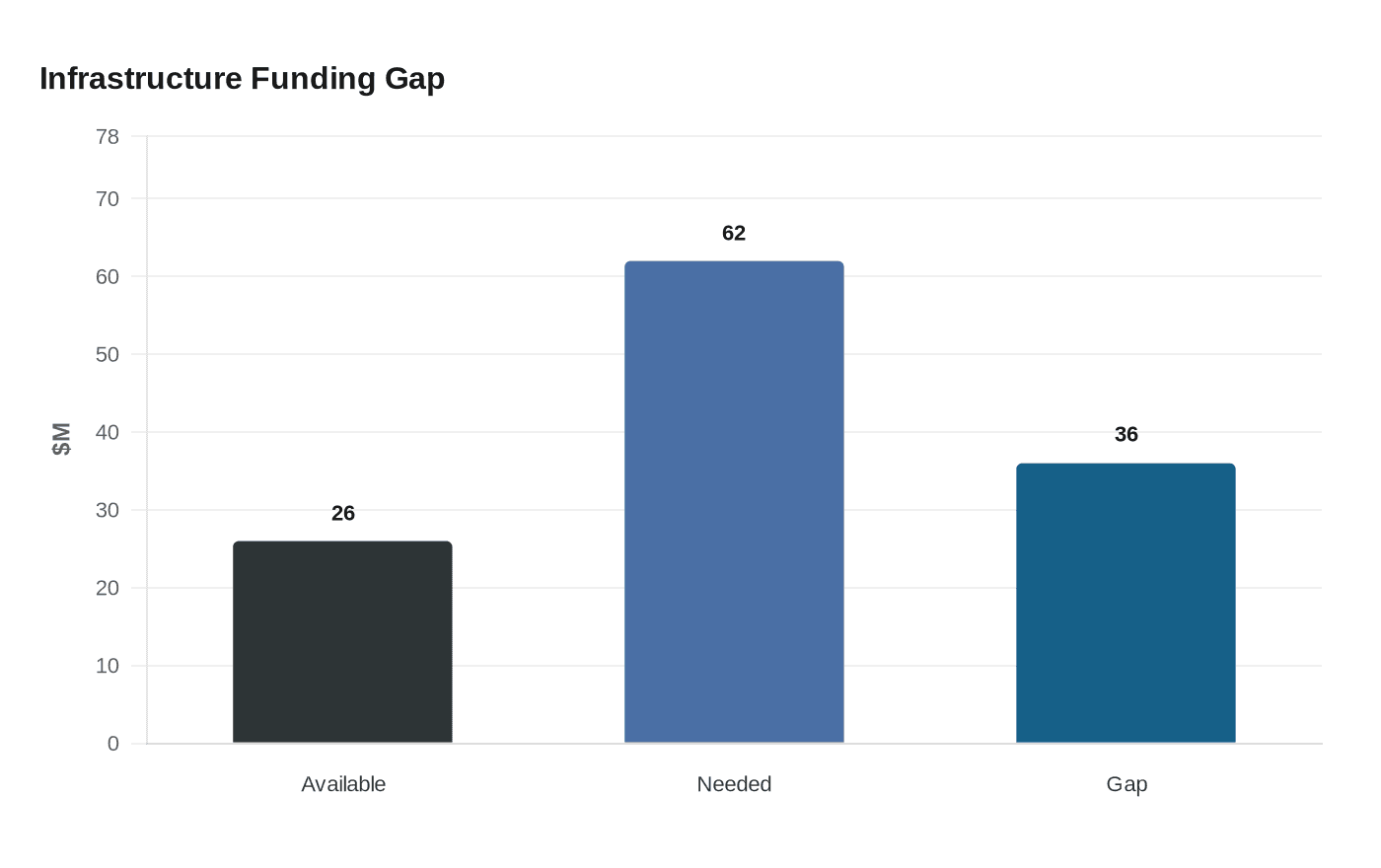
Post Falls is facing a $36 million infrastructure gap, and officials say the fix may require more homes and businesses per acre.
Post Falls is confronting a blunt fiscal problem: the city says it has about $26 million available for roads and utilities but needs roughly $62 million to keep pace with long-term maintenance, a gap that Heather Worthington of Urban3 described as about $36 million.
About 25 people gathered at the Q’emiln Trailhead Event Center for a midday presentation that tied zoning and growth to everyday costs residents will eventually feel in traffic delays, utility replacement bills, taxes and development fees. Worthington laid out why the city’s current land-use pattern struggles to generate enough taxable value to cover the cost of serving it, and why a more diversified, denser mix could produce more revenue per acre than a strictly single-family model.
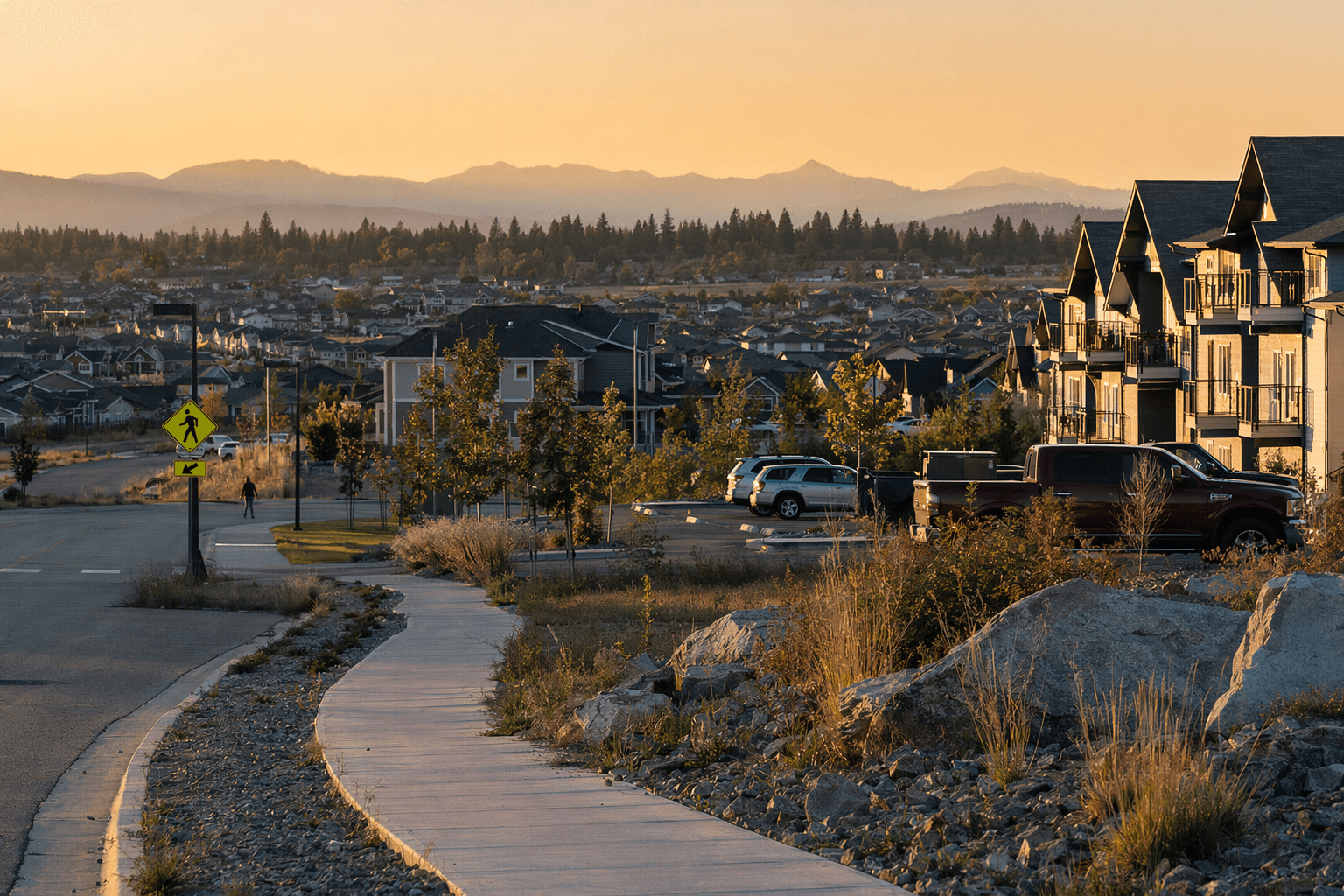
That message landed in a city where the preference for detached houses still carries political weight. Several attendees raised concerns about moving away from that model, while city planning manager Jon Manley said officials are trying to find fiscally sustainable options that still preserve Post Falls’ character. City Councilor Samantha Steigleder said the city will need to identify places where residents are willing to accept more development, even if that means changing how land use supports public finances.
The discussion was part of the city’s 2025 Comprehensive Plan Update, a 20-year effort meant to guide growth, development and investment. Bob Seale, the city’s community development director, said the choices made now will shape the community’s long-term success and fiscal health.
The land-use conversation sits on top of a housing shortage the city has already documented. Post Falls City Council adopted a Housing Needs Analysis on March 18, 2025, after a process that began with a council workshop on April 11, 2024, and included focus groups, an open house in November 2024 and a public workshop on Jan. 27, 2025, at the Trailhead Event Center. That study found median home prices rose from about $325,000 before the pandemic to around $500,000 afterward, projected 1,500 new jobs in the next five years and said nearly 2,400 new housing units will be needed over the same period.
Post Falls has already been edging away from a strictly single-family framework. Its 2020 comprehensive plan, adopted July 7, 2020, was amended in April 2021 to remove the word “single-family” from the low-density residential designation and again in November 2021 to add medium-density R2 to that land-use category.
The planning work is not limited to housing. The city’s 2025 Transportation Master Plan, which went to public hearing on April 21, is based on existing conditions in 2023 and growth models through 2045. Together, the land-use and transportation plans show Post Falls trying to answer the same question before the bill comes due: how to keep growing without pushing today’s residents to subsidize tomorrow’s expansion.
This article was produced by Prism’s automated news system from verified source data, official records, and press releases, then run through automated quality and moderation checks before publishing. The system is built and supervised by the people who set the standards it runs under. Read our full AI policy.
Did this article answer your question?