Stroke survivors return to Post Falls hospital for emotional reunion
Billie Tribitt came back to the same Post Falls therapy gym that helped save her life, celebrating tiny victories like tying her shoes and fastening her belt.
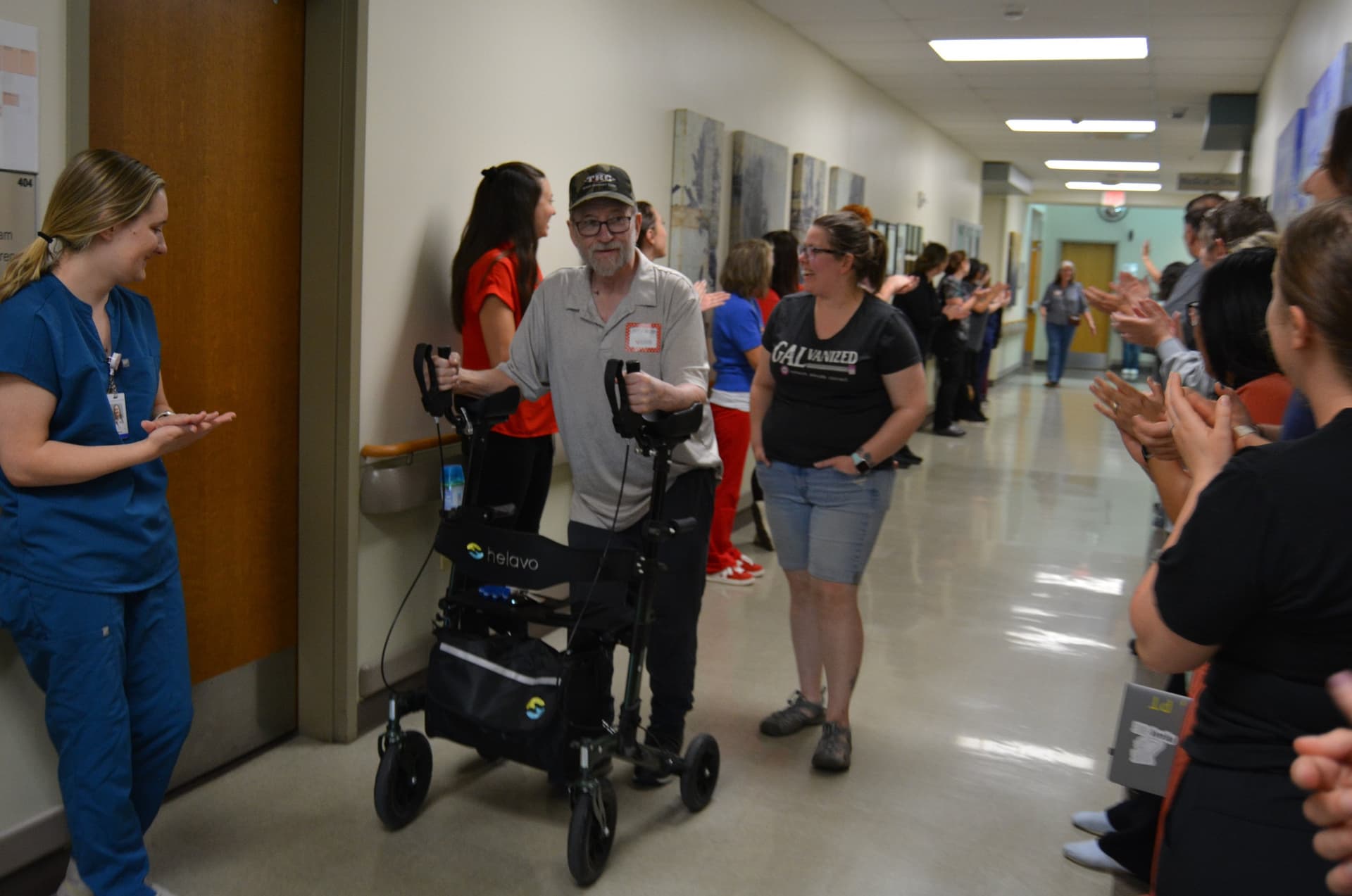
The therapy gym at Rehabilitation Hospital of the Northwest erupted in applause Thursday afternoon when Todd and Shirley Little walked back through the doors, turning a Post Falls hallway into a reunion for stroke survivors, families and the clinicians who helped rebuild their lives.
The celebration carried a message that goes well beyond one afternoon. Stroke recovery does not end at discharge, and for survivors in Kootenai County, the hard work often continues in the same building where it began. Anna-Liisa Pjesky, the hospital’s director of nursing operations, spoke to the gathering about the role caregivers, therapists, nurses and doctors play in helping patients regain strength, confidence and independence after a stroke.
For Billie Tribitt, the reunion marked the kind of progress that rarely shows up in a headline but defines life after stroke. Tribitt, who said she had a hemorrhagic stroke, told staff, "You guys saved my life." She said the smallest tasks now matter most, including hooking her own belt and tying her shoes. Those milestones reflect the reality of stroke survivorship: victories can be measured in steps, grip strength, speech, balance and the return of ordinary routines that once felt automatic.
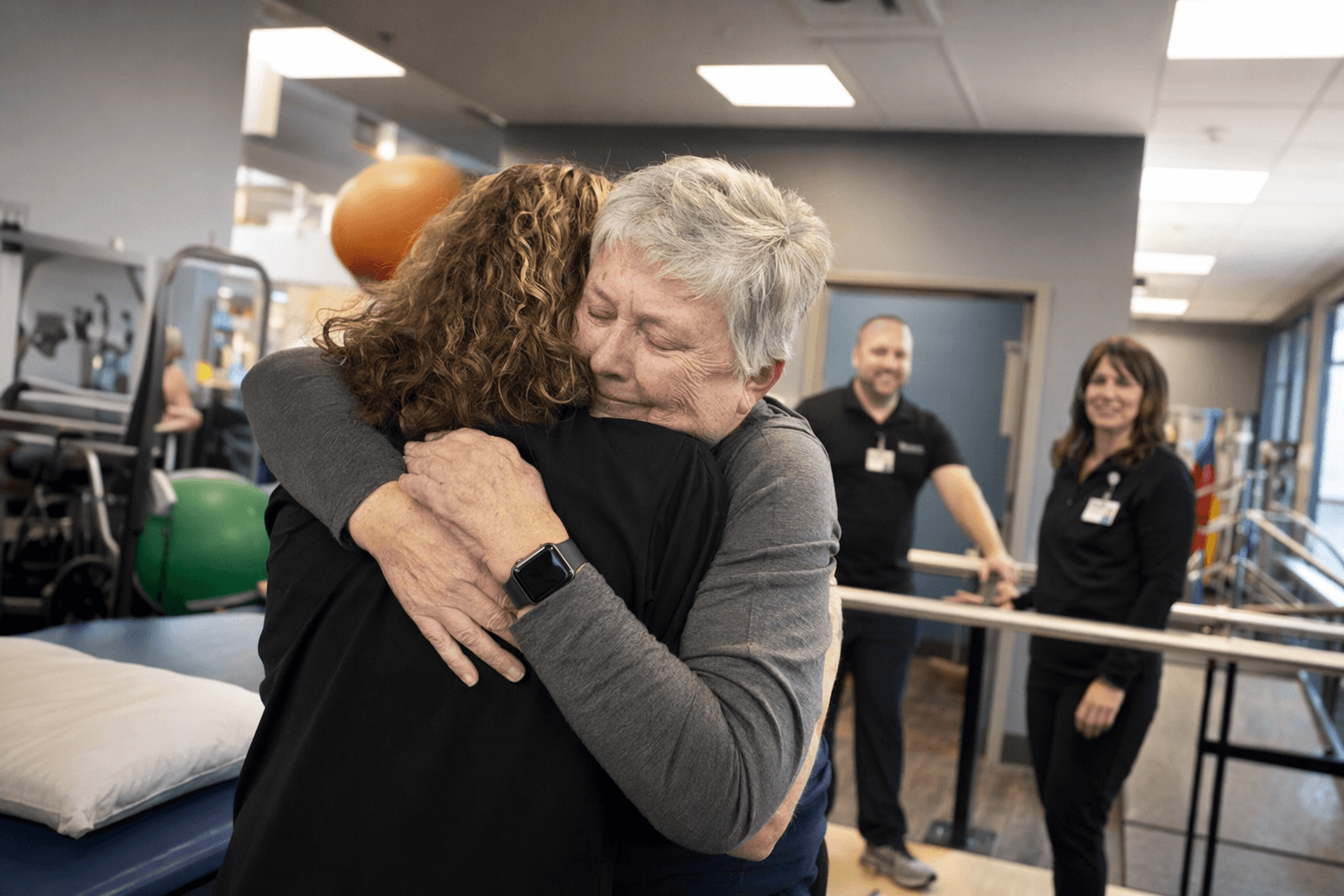
That is why the setting mattered. The survivors returned to the same hospital where many began their rehabilitation work, a place designed for the slow, repetitive process of recovery. Rehabilitation Hospital of the Northwest says it provides specialized inpatient and outpatient rehabilitative services in Post Falls and treats patients recovering from strokes and other disabling diseases or injuries. Ernest Health says its rehabilitation teams include 24-hour rehabilitation nursing care and daily physician management, along with physical, occupational and speech therapists working with patients and families.
The hospital’s work sits inside a larger public-health picture. Idaho Department of Health and Welfare says stroke is one of the leading causes of disability and death in Idaho, and that patients treated quickly, ideally within the first hour, are three times more likely to recover with little or no lasting disability. Nationally, the Centers for Disease Control and Prevention says someone in the United States has a stroke every 40 seconds, someone dies of stroke every 3 minutes and 14 seconds, and more than 795,000 people have a stroke each year.

That burden makes the local care network in Post Falls even more important. Idaho’s Time Sensitive Emergency Registry tracks stroke incidence and outcomes in acute care facilities across the state, underscoring that recovery depends on a system that stretches from emergency response to inpatient rehab, outpatient therapy and emotional support. The hospital, which was named to Newsweek’s 2024 list of America’s Best Physical Rehabilitation Centers, says that shared effort is what helps survivors leave with more than a discharge date. It helps them leave with a way back to everyday life.
This article was produced by Prism’s automated news system from verified source data, official records, and press releases, then run through automated quality and moderation checks before publishing. The system is built and supervised by the people who set the standards it runs under. Read our full AI policy.
Did this article answer your question?


