Panhandle Health District plans clinic expansion without county funding increase
Panhandle Health District wants to revive its clinic work with a $12.2 million budget and no county funding increase, aiming to expand access in Kootenai County.

Panhandle Health District told Kootenai County commissioners it wants to rebuild its clinic operation and eventually nearly double services without asking local taxpayers for more money. Medical Director Dr. Greg Pennock said the district’s strategy is aimed at widening access in a way that stays financially disciplined, with the clinic serving as one of the clearest ways to bring more care closer to home in Kootenai County and across North Idaho.
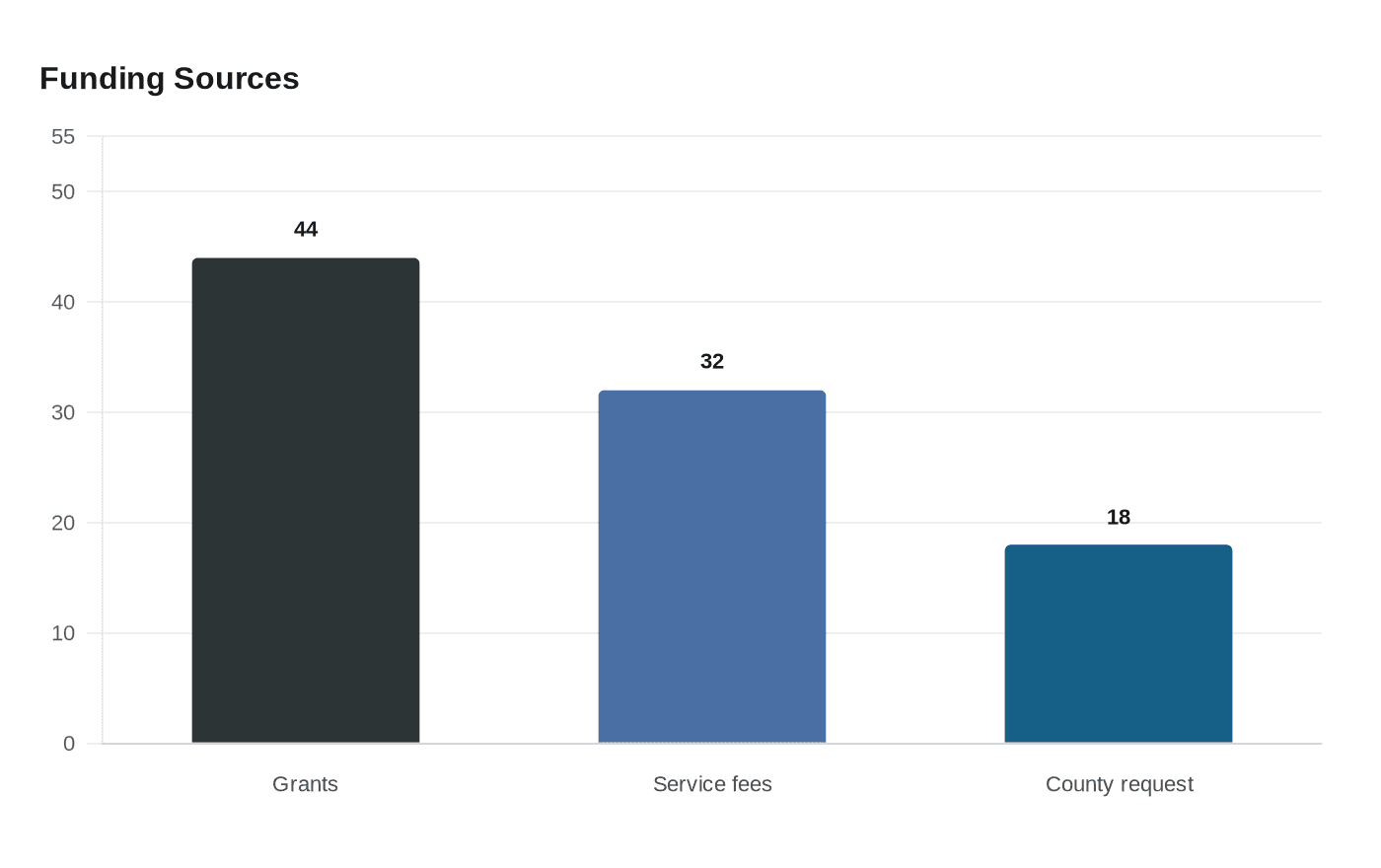
The district’s proposed fiscal year 2027 budget totals $12.2 million, with about $2.2 million requested from Kootenai County, or roughly 18% of the total. Erik Ketner said the district reduced its county request by $280,000 last year. He also said the district’s funding is already built on a blended model, with about 44% coming from grants and about 32% from clinical, health and environmental health service fees. To help offset the clinic budget, PHD plans to set aside $428,000 in reserves.
Personnel costs remain the biggest expense, with $6.1 million budgeted for wages and $3 million for benefits. Health insurance costs are projected to rise by about $2,000 per employee. Operating expenses are set at $2.5 million, and capital spending totals $418,000, including about $360,000 for repairs to the Hayden office roof. That spending picture matters because district leaders are trying to expand service while still presenting themselves as careful stewards of county dollars.

Pennock said the clinic push is tied to four health problems he sees in North Idaho: chronic disease, access to care, service gaps and public trust. He said the renewed clinic model will emphasize women’s health, pediatric care, chronic disease prevention and community outreach, and it will include a public information officer. He also said PHD wants to pair functional and naturopathic treatments with data-driven scientific care and track health metrics and outcomes to judge whether the effort works.
The clinic stakes are already visible in patient numbers. PHD reported 4,215 unique patients and 7,484 visits from July 1, 2024, to June 30, 2025. Seventy percent of those patients were female, and contraception and pregnancy testing were the second-most-common reasons for visits. That service mix has become more important as residents face fewer nearby options for basic reproductive and preventive care.
County leaders are still pressing for proof that the clinic will deliver a clear public benefit. In March board minutes, Bonner County Commissioner Korn said he would be more comfortable supporting clinic funding if PHD offered a clear, public-facing service available to all county residents and better informational materials about medical services and informed consent. The concern echoes older fights over PHD funding, including Bonner County’s 2020 move to table a defunding proposal during the COVID mask dispute.
This article was produced by Prism’s automated news system from verified source data, official records, and press releases, then run through automated quality and moderation checks before publishing. The system is built and supervised by the people who set the standards it runs under. Read our full AI policy.
Did this article answer your question?


