Kootenai Health supervisor keeps daily operations steady in chaos
Jacob Loe is the overnight calm inside Kootenai Health, steering staff and surge decisions when the hospital’s pace turns urgent.
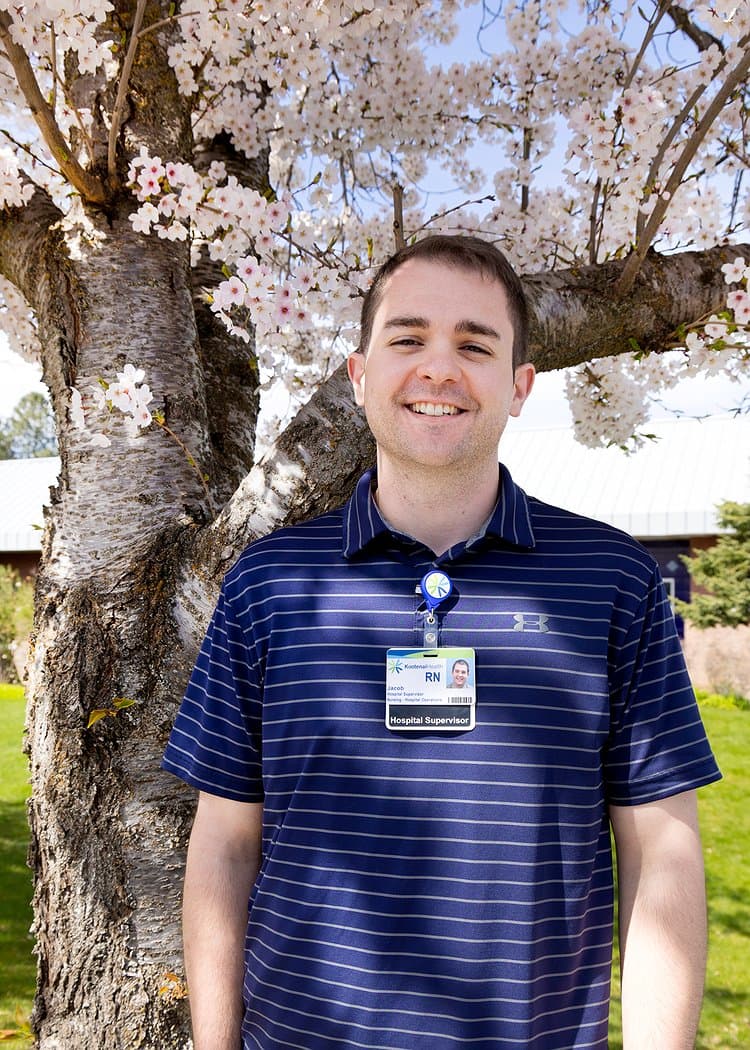
The unseen job behind the hospital’s rhythm
When a patient crashes, a trauma arrives in the emergency department, or a unit starts running short on staff, Jacob Loe is part of the group that keeps Kootenai Health from slipping into disorder. He is not the face most patients see, but he is one of the people making sure the hospital can still function when the day turns chaotic.
Loe, a registered nurse who built his career at Kootenai Health, moved into a hospital supervisor role after a manager recognized his leadership. He describes the job as “kind of the firefighter for the day,” a phrase that fits the work closely. The role is less about one bedside assignment and more about keeping the whole system moving, from staffing and communication to the urgent decisions that affect care across the hospital.
What a hospital supervisor actually does
Hospital supervisors at Kootenai Health are on duty around the clock in a 24/7 model, working 12-hour shifts to cover the hospital’s constant flow of needs. The department has four full-time staff members and several part-time employees supporting the rotation, a structure that reflects how often the hospital needs someone who can step in quickly and coordinate a response.
Loe said the job means touching base with teams every day to make sure people have what they need to do the work. That can mean helping a unit adjust to staffing gaps, supporting a team facing an escalating risk for violence, or responding when a patient’s heart has stopped. It can also mean moving quickly during traumas in the emergency department, where seconds and clear communication matter.
The supervisors are also incident commanders in crises, which means they receive special training for incident command and mass-casualty situations. That training matters because their job is not occasional or ceremonial. It is built for the moments when the hospital needs one person, or one team, to pull together the response and keep the rest of the building operating.
Why the job matters inside a busy county hospital
Kootenai Health’s scale helps explain why this kind of behind-the-scenes role is so important. Its main campus in Coeur d’Alene includes a 381-bed hospital and more than 20 specialized Kootenai Clinic physician practices. The health system says it serves patients in northern Idaho and the Inland Northwest, which puts it at the center of care for a wide region, not just the city where it is based.
That reach shows up in the numbers. Kootenai Health’s 2023 annual report listed 17,909 inpatient discharges, 63,165 emergency department visits, 385,958 physician visits, and 2,226 babies born. Those totals describe a system that never really slows down, and they also show why hospital supervisors have to manage the flow of care as much as the emergencies themselves.
Loe said Kootenai Health can have more than 250 patients at any given time. In a hospital that busy, a supervisor’s work is part logistics, part triage, part crisis management. The job is one of the clearest reminders that a hospital runs on more than doctors and nurses alone. It also depends on the people who keep staffing aligned, information moving, and decisions coordinated when the pressure rises.
A growing, aging county raises the stakes
Kootenai County’s 2024 population estimate was 188,323, and about 20.8% of residents were age 65 and older. That combination of growth and aging adds pressure to the local health system, because more residents means more demand, and an older population tends to need more frequent, more complex care.
For Kootenai Health, that reality makes operations staff central to the county’s daily health care stability. A hospital supervisor may not deliver the direct care most people picture when they think of a nurse, but the role helps determine whether beds are open, teams are supported, and urgent situations are handled without the hospital losing its footing.
The hospital’s broader standing in the region also increases that responsibility. Kootenai Health says its Coeur d’Alene campus holds Magnet designation for nursing excellence, Level II Trauma Center designation, Level III NICU designation, and American College of Surgeons Commission on Cancer accreditation. Those recognitions point to a system that is expected to perform at a high level in routine care and in high-stakes emergencies.
The trauma designation that changed the region
Kootenai Health became the only ACS-verified Level II trauma center in the region in January 2024, after working toward the designation since 2021. Idaho’s TSE system says a Level II trauma center provides comprehensive trauma care, which means the hospital is expected to handle serious injuries with a full, coordinated response.
That designation deepens the need for strong hospital supervision. Trauma care does not wait for a shift change, and it does not care whether the hospital is already full. It needs staff coordination, rapid decisions, and a leader who can help align the emergency department, inpatient units, and support teams when the next crisis arrives.
For a community hospital that serves a broad stretch of northern Idaho and the Inland Northwest, the trauma role also reinforces why operations matter outside the ER. A verified trauma center depends on what happens long before a patient reaches a bay: staffing levels, communication, unit readiness, and the ability to respond instantly when the call comes in.
A system that has kept expanding
Kootenai Health’s move into a private 501(c)(3) not-for-profit model added another layer to that operational story. The Kootenai Health Board of Trustees voted on May 2, 2023, to make the transition, and it was completed on January 1, 2024. The organization said the change was meant to help it reinvest in care, expand services, and support staff.
Its 2024 community report says the year included several milestones: a robotic surgery center of excellence designation, the 5,000th open-heart surgery, and the launch of an accelerated nursing program with Idaho State University. Those markers suggest a hospital system that is not standing still, even as it manages high patient volumes and rising regional demand.
That is the backdrop for Loe’s job and for the supervisors working with him. Their work is not flashy, but it is structural. They are the people helping Kootenai Health absorb the strain of growth, respond to emergencies, and stay steady when a busy hospital has to do everything at once.
This article was produced by Prism’s automated news system from verified source data, official records, and press releases, then run through automated quality and moderation checks before publishing. The system is built and supervised by the people who set the standards it runs under. Read our full AI policy.
Did this article answer your question?


