Arizona Court Weighs Fondomonte Lawsuit Against State Groundwater Rules
Fondomonte pumped 81% of the Ranegras Plain Basin's groundwater in 2023. Now a judge must decide if Arizona's domestic well owners can wait 50 years for regulators to fix it.
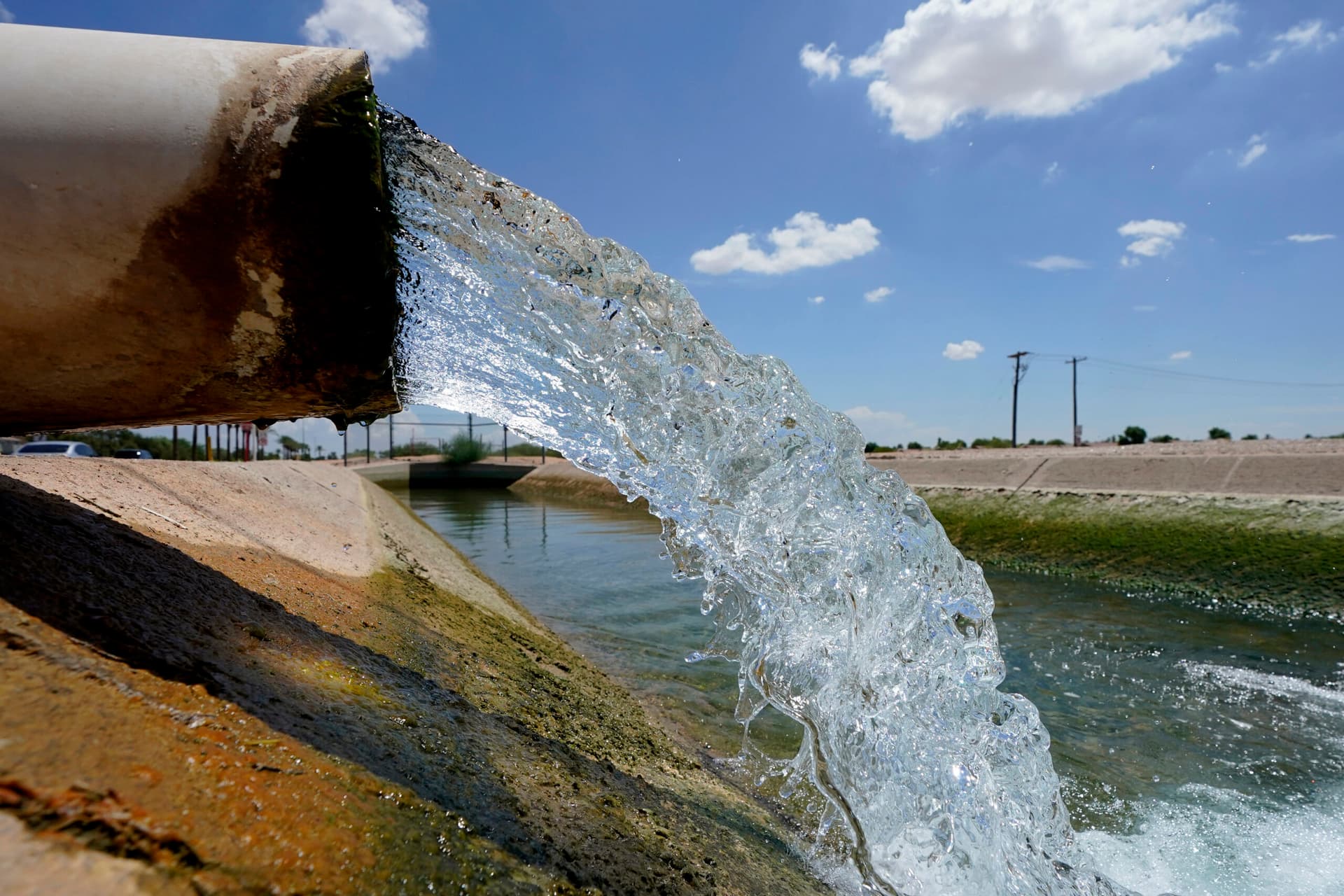
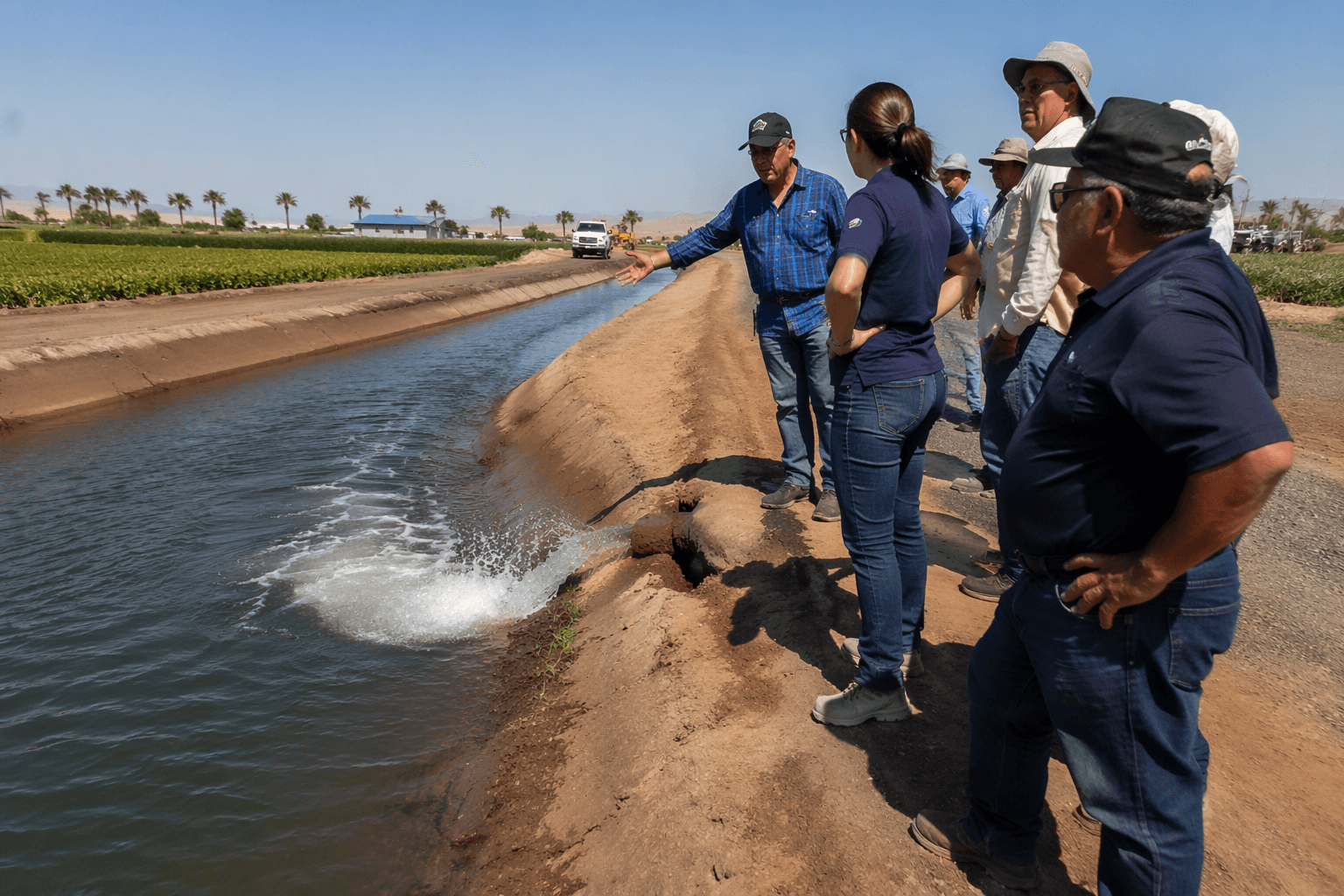
One company accounts for 81 percent of all groundwater pumped from La Paz County's Ranegras Plain Basin. A Maricopa County judge is now deciding whether that level of extraction, 31,196 acre-feet in 2023 alone from an aquifer that recharges at barely a tenth of that rate, constitutes a public nuisance requiring court intervention, or whether it should be left to state regulators working on a 50-year timetable.
Fondomonte Arizona, a subsidiary of the Saudi dairy giant Almarai, went before that judge on March 26 to argue that the Arizona Department of Water Resources had already taken the appropriate step. On January 9, ADWR Director Tom Buschatzke formally designated the Ranegras Plain Basin as Arizona's eighth Active Management Area, triggering enforceable limits on new pumping and a framework to reduce basin-wide extraction by 50 percent over 50 years. Fondomonte's attorney, Riley Snow, told the court that ADWR's process would accomplish the same regulatory goals as the public nuisance lawsuit Attorney General Kris Mayes filed against the company in December 2024, and asked the judge to stay the litigation and let regulators complete their work.
Mayes' office rejected that framing. The AG's position is that only a court can order Fondomonte to immediately curtail specific harmful conduct and compel the company to establish an abatement fund for neighbors whose wells have already been damaged. The AMA, her office argued, addresses basin-wide management going forward. The lawsuit targets one operator's conduct and its concrete effects on surrounding communities.
The distinction matters to the people living across the 912-square-mile basin located roughly 100 miles west of Phoenix, where residents have watched water tables drop and felt the ground subside beneath them for years. During the AMA designation process, Misha Melehes, who lives near Bouse, put it plainly: "This is a desert, and our water is drying up. We're bleeding out. We need a tourniquet while we wait in the emergency room."
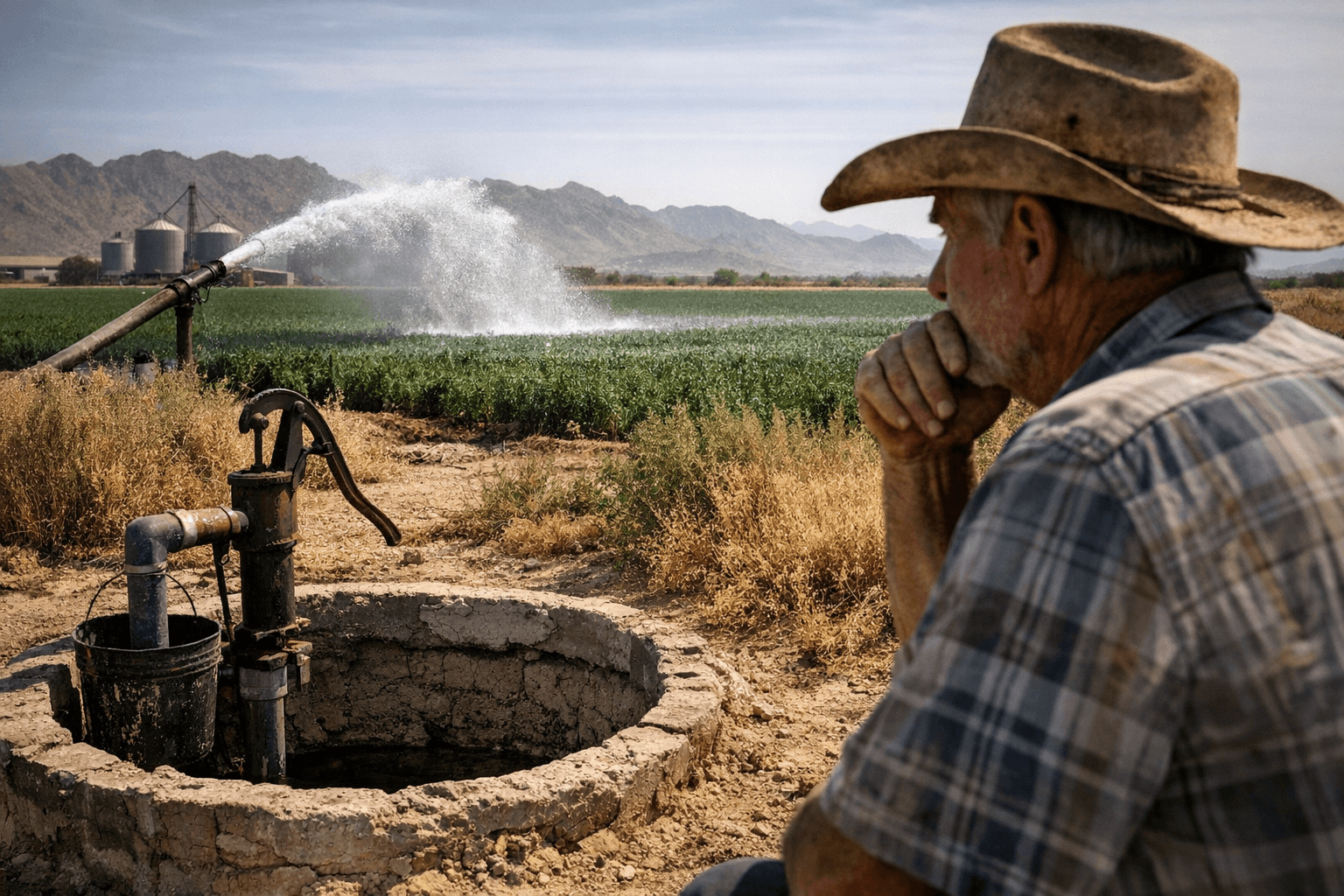
La Paz County Supervisor Holly Irwin spent years pressing ADWR to act on the Ranegras Plain and called the AMA designation a genuine step forward. But the AMA's "50 in 50" reduction target is a multi-decade framework, not an emergency brake. For residents whose domestic wells have already fallen to dangerous levels, the gap between a regulatory timeline and injunctive relief is not procedural; it is the difference between water and no water.
Adding another dimension to the court's calculus: Fondomonte is the third-largest employer in La Paz County. Its network of wells is capable of drawing 64,000 gallons per minute. Any court order restricting operations would ripple well beyond the aquifer.
The judge has not yet ruled on whether to stay the case. If the lawsuit is paused, ADWR's rulemaking and permitting schedules will govern the basin's future without a court ever ruling on whether what Fondomonte has already pumped was legal. If the judge allows the suit to proceed, an injunction could restrict the company's operations while litigation unfolds. Either path sets a precedent for how Arizona handles rural groundwater conflicts where an economy, a legal framework, and a dwindling aquifer are all pressing in different directions at once.
This article was produced by Prism’s automated news system from verified source data, official records, and press releases, then run through automated quality and moderation checks before publishing. The system is built and supervised by the people who set the standards it runs under. Read our full AI policy.
Did this article answer your question?