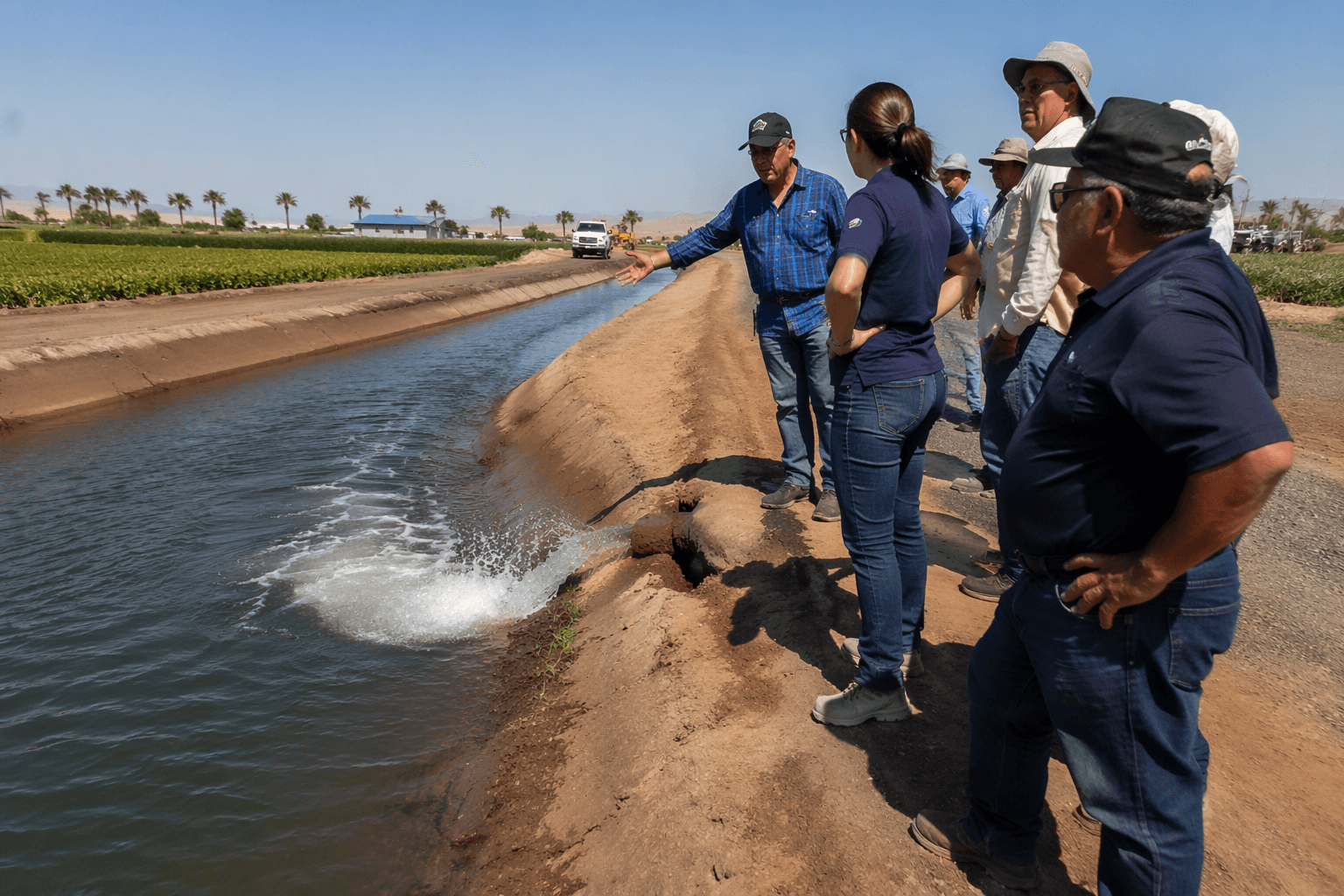
Federal Register Flags New La Paz County Water Diversion, Wheeling Contract Actions
A proposed federal contract would add a new Lake Havasu diversion point and a wheeling agreement to move CAP water to new La Paz County delivery sites, advancing through federal review as Colorado River shortage rules expire.
The pumping plant that lifts Colorado River water 824 feet out of Lake Havasu before sending it through a seven-mile mountain tunnel and into 336 miles of aqueduct just became the centerpiece of a proposed federal contract amendment, one that could quietly reconfigure how water is moved and billed across La Paz County communities.
The Bureau of Reclamation's April 2 entry in the Federal Register catalogued two proposed contract actions specifically referencing La Paz County: an amendment to Contract No. 08-XX-30-W0530 that would add a new point of diversion at the Mark Wilmer Pumping Plant, and approval of a wheeling agreement allowing Central Arizona Water Conservation District water to travel through the Central Arizona Project canal to a new delivery point. The posting had already surfaced in CAP's board proceedings, where its upcoming 45-day agenda listed "Discussion on La Paz County Wheeling Contract" as a pending item, signaling the matter had begun moving through formal administrative channels before the federal filing was even published.
For Parker, Quartzsite, Ehrenberg, and Bouse, the distinction between a routine contract amendment and a wheeling agreement carries real operational weight. Wheeling allows water that one entity holds rights to be transported through infrastructure another entity controls. In practical terms, that can mean a municipal water provider, an agricultural district, or a tribal government redirecting supply to a different point on the canal without triggering a formal reapportionment of rights. It also typically comes with fees, scheduling constraints, and delivery conditions that local water managers need to account for in their planning and budgets.
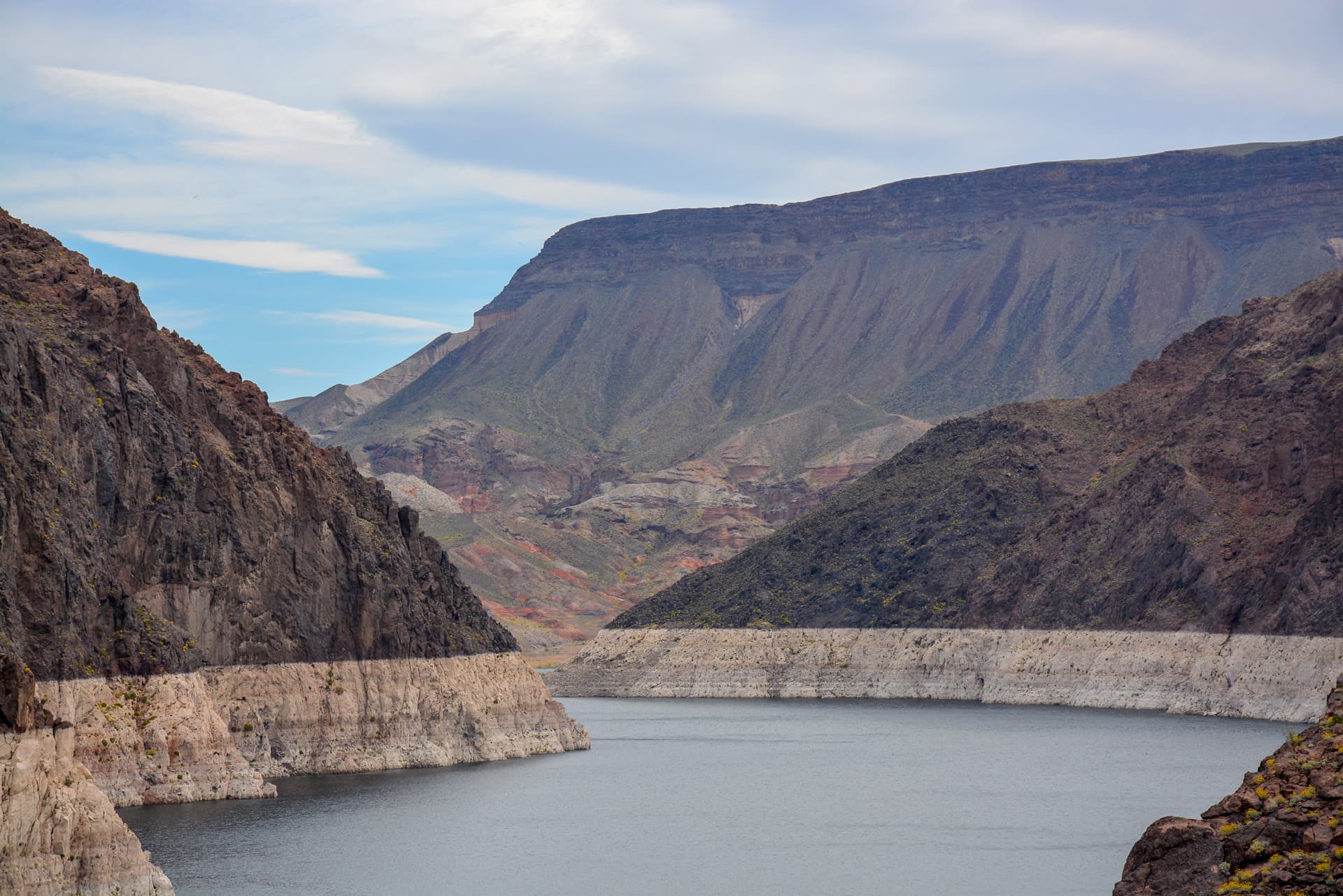
The filing lands as Arizona enters another year of Colorado River shortage. Lake Mead is projected to sit at roughly 1,056 feet of elevation in 2026, approximately 20 feet below the shortage determination trigger, keeping Arizona under a Level 1 shortage that already constrains allocations statewide. The Lower Basin states pledged in 2023 to conserve an additional three million acre-feet of Colorado River water by 2026 beyond reductions already in place. Compounding the stakes, the 2007 Shortage-Sharing Guidelines that have governed river operations for nearly two decades expire at the end of this year, throwing the entire framework of Colorado River management into active renegotiation. In that context, every new diversion point and every wheeling agreement in the watershed carries more policy weight than it would in a normal year.
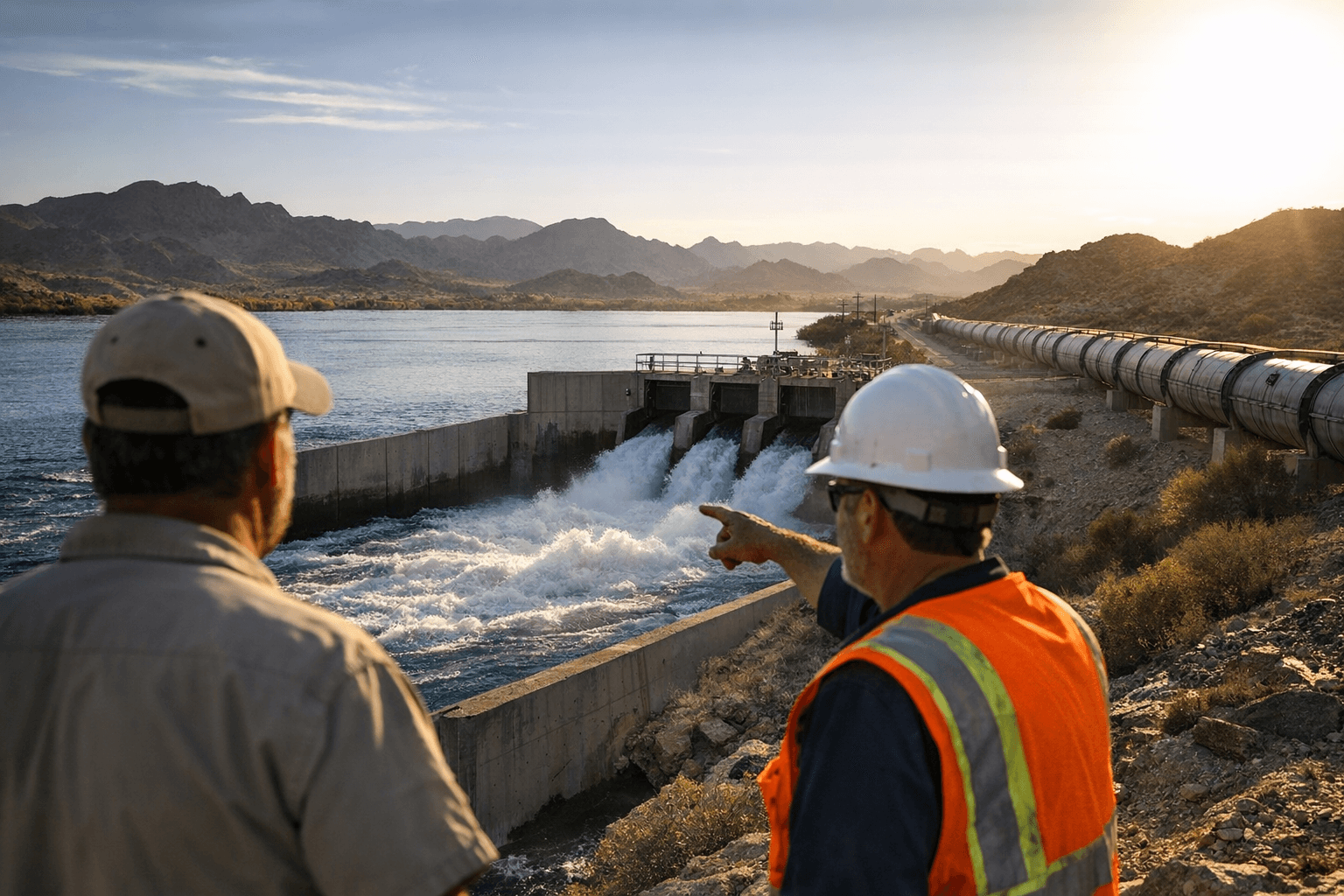
The Colorado River Indian Tribes, whose reservation stretches along the river south of Parker and whose senior water rights rank among the most legally protected in Arizona, are a central stakeholder in any operational change at the Mark Wilmer plant. The Arizona Department of Water Resources and CAWCD will work through the technical terms, including wheeling schedules, delivery reliability assurances, and fee structures, that ultimately determine what the contract means for users on the ground.
Under federal procedure, once contract negotiations conclude, the proposed contract form must be approved by the Secretary of the Interior or a delegated authority. In some cases, congressional review or additional reporting is also required. The April 2 Federal Register notice sets the administrative record in motion and provides the formal public notice that precedes those approval steps.
How the final contract reads will determine whether this wheeling amendment expands water access and flexibility for La Paz County users or introduces new costs and constraints for communities already navigating a river system under sustained pressure.
This article was produced by Prism’s automated news system from verified source data, official records, and press releases, then run through automated quality and moderation checks before publishing. The system is built and supervised by the people who set the standards it runs under. Read our full AI policy.
Did this article answer your question?