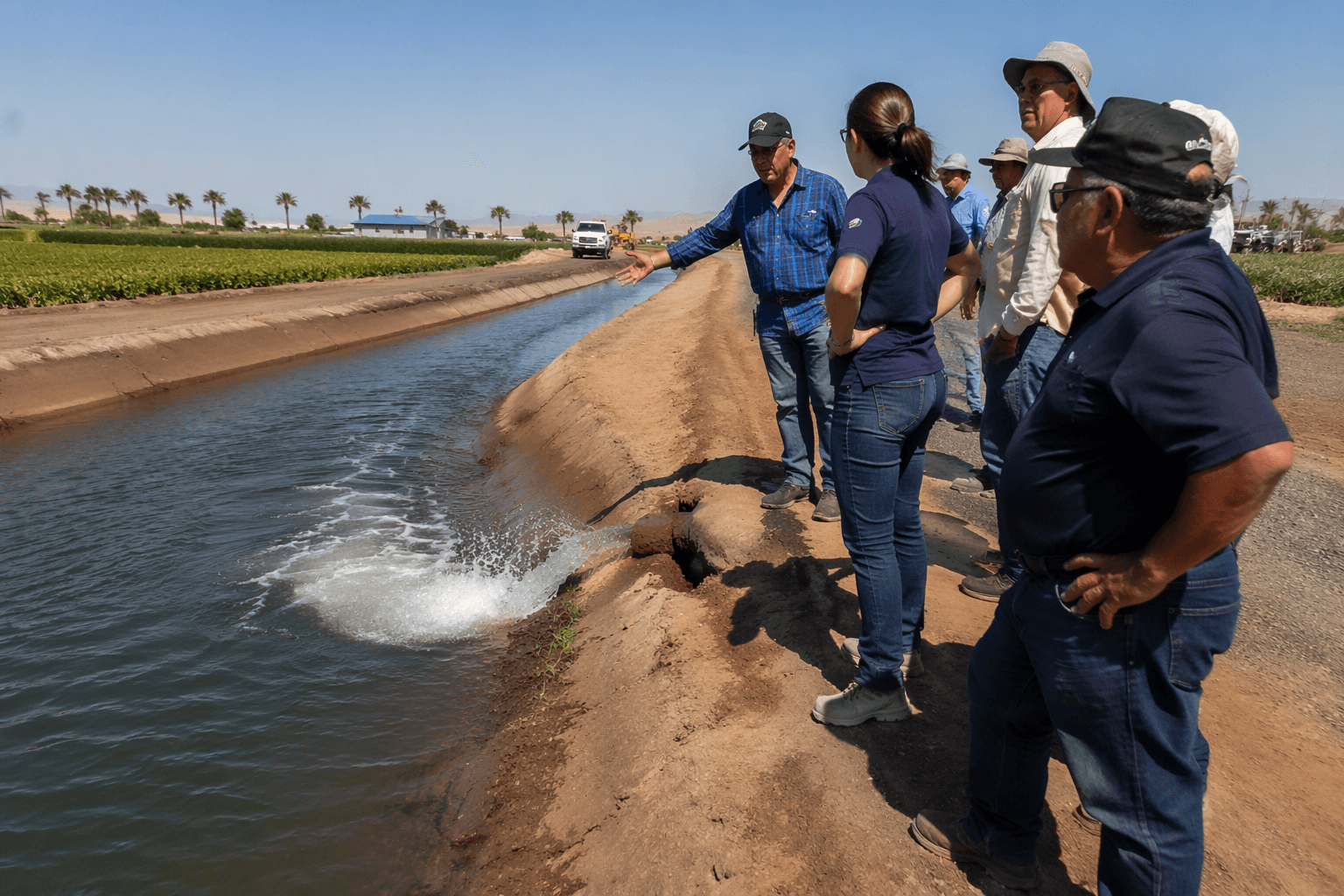
Arizona Tax Freeze Proposal Could Threaten Tribal Water Infrastructure Funding
Arizona's proposed four-year tax freeze could leave Parker-area water systems unable to fund critical repairs, as the Colorado River Indian Tribes warn tribal communities face the steepest risks.
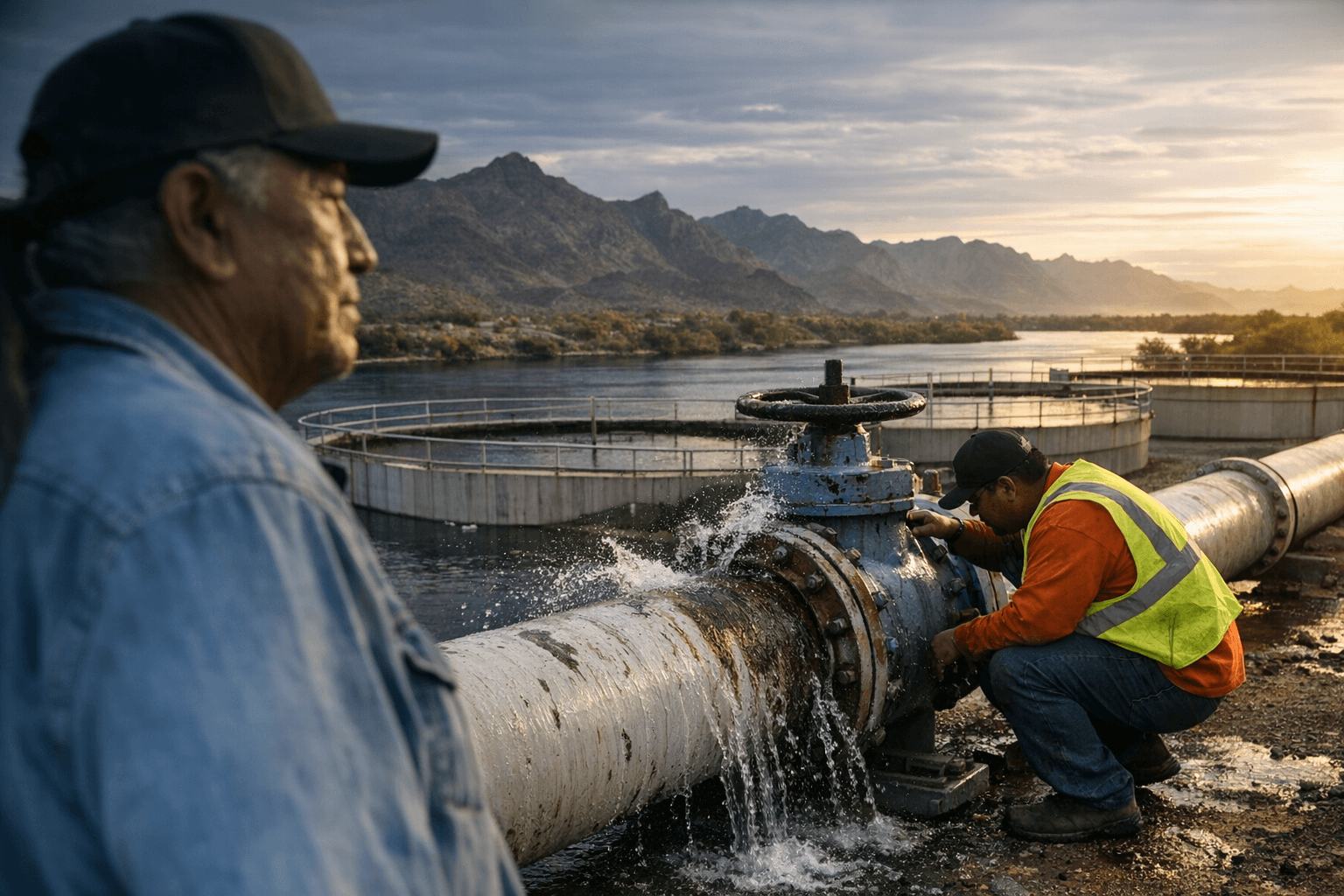
Rep. Justin Olson, a Mesa Republican, introduced a bill that would lock Arizona municipal tax and fee rates in place through June 2030, and water officials warned it could drain the funding pipeline for the treatment plants, pipe replacements, and delivery upgrades that Parker and the Colorado River Indian Tribes reservation depend on.
House Bill 4030 and its accompanying ballot referral, House Concurrent Resolution 2052, would prohibit cities, counties, and towns statewide from raising existing fees or tax rates or creating new charges for a four-year period beginning July 1, 2026. Olson framed the measure as a direct response to inflation. "Given the high cost of living, let's put a pause on any tax increases," he said when introducing the bill.
Barry Aarons, lobbyist for the Arizona cities association, offered a sharper read of the consequences at a committee hearing. "Any limitation you want to put on a city that is trying to maintain and build its water infrastructure through taxation is something that you do not want to do," Aarons told lawmakers.
The Colorado River Indian Tribes' Manataba Messenger brought those Phoenix-level concerns to tribal members on March 27 through its Basib Brief, a regular package of regional news and policy analysis. The brief drew from March 23 reporting on HB 4030, connecting the legislative debate directly to the infrastructure realities facing Parker and the CRIT reservation.
That connection carries real weight. CRIT holds legal rights to divert 719,248 acre-feet of Colorado River water annually, an entitlement established through the landmark 1963 federal case Arizona v. California. Turning that legal right into delivered water requires functioning treatment plants, storage capacity, and distribution systems, all of which demand steady capital investment. A hard freeze on local fee and tax revenue would leave tribal and municipal water operators unable to raise funds for routine maintenance, let alone the upgrades and emergency repairs that aging infrastructure periodically demands.
The timing compounds the concern. Basin states, tribal nations, and the federal government are negotiating post-2026 Colorado River operating rules, a process that will reshape how dramatically reduced flows are divided and what conservation obligations each user carries. In January 2026, CRIT joined the Gila River Indian Community and the Central Arizona Water Conservation District in signing a proclamation to collectively protect the river, signaling that tribes intend to be active, coordinated partners in those deliberations, not observers.
The Basib Brief made that posture explicit: CRIT's leadership is treating fiscal-policy fights in Phoenix as water-policy fights for their communities. For municipal customers in Parker and Quartzsite, the practical stakes are deferred pipe replacements, slower emergency response times, and sharply higher rates once the moratorium lifts in 2030.
This article was produced by Prism’s automated news system from verified source data, official records, and press releases, then run through automated quality and moderation checks before publishing. The system is built and supervised by the people who set the standards it runs under. Read our full AI policy.
Did this article answer your question?