Colorado River Indian Tribes launch 191-mile broadband buildout
A $25 million grant will fund 191 miles of fiber across CRIT lands, with leaders saying the buildout is about sovereignty as much as service.
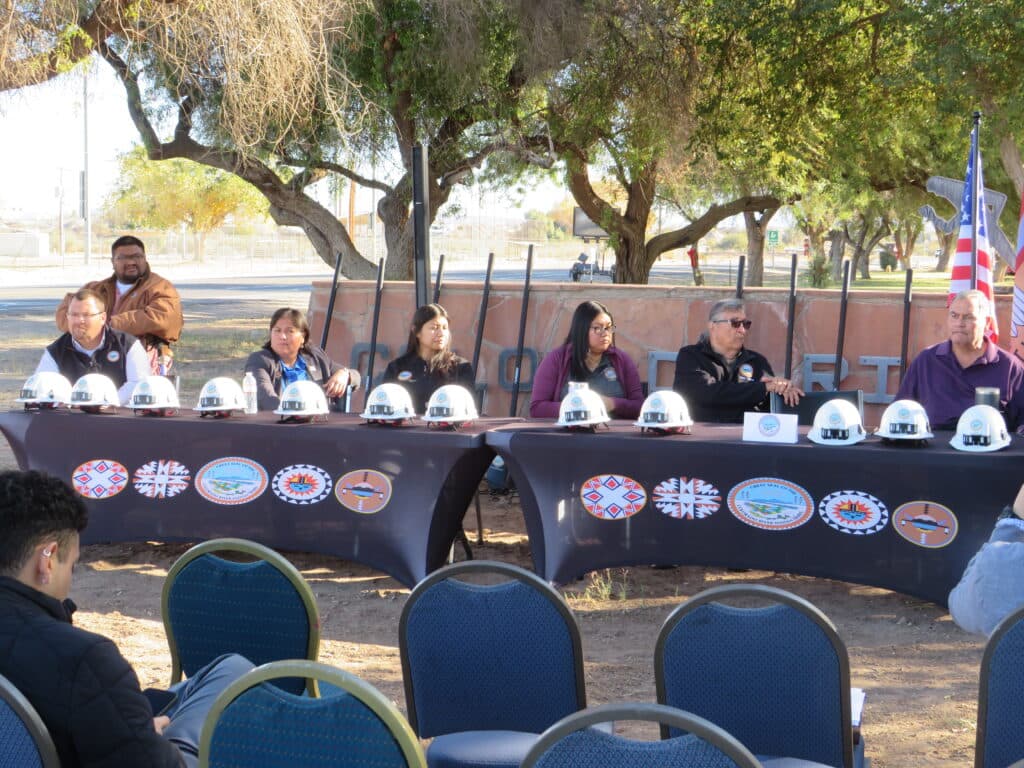
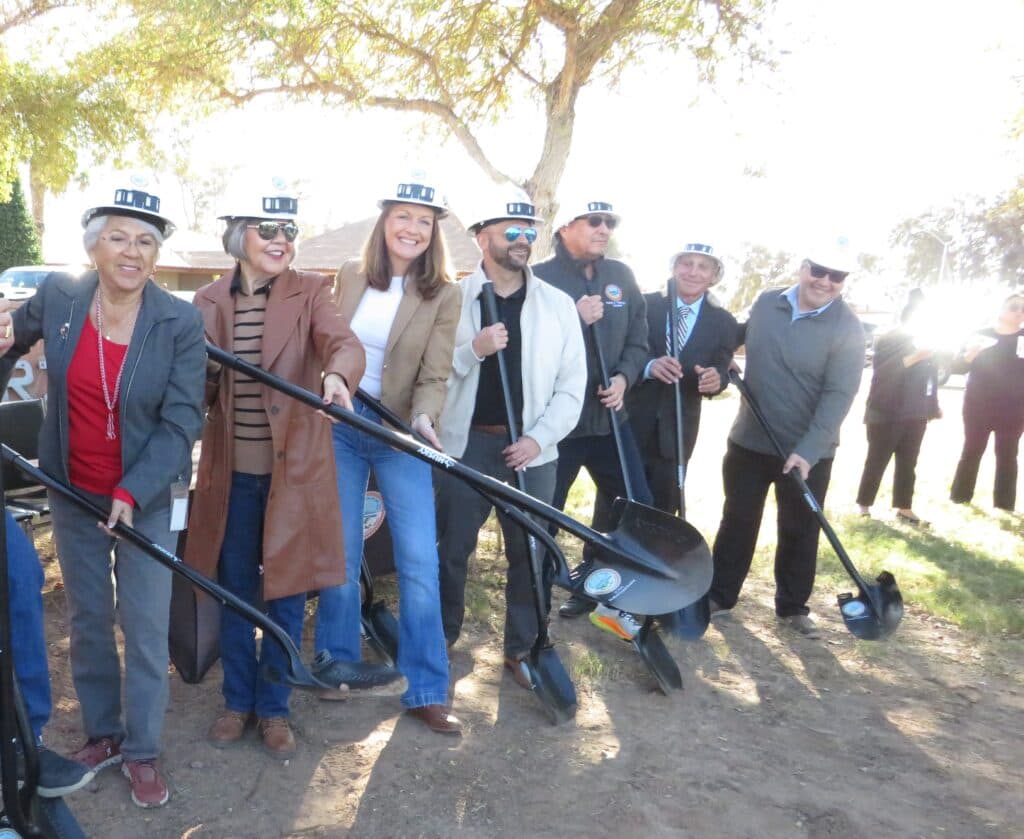
Outside the CRIT offices in Parker, Colorado River Indian Tribes leaders broke ground on a 191-mile fiber-optic network meant to bring high-speed internet to homes, businesses and tribal facilities across the reservation. The project is backed by a $25 million USDA ReConnect grant and is expected to take about five years, putting broadband at the center of daily life for a community where many residents still face unreliable service.
Chairwoman Amelia Flores, members of Tribal Council, USDA representatives and Ackerman Consulting attended the ceremony. Flores has described the award as a “game changer,” and tribal leaders say the buildout is about more than faster downloads. Flores said the new infrastructure would strengthen tribal control over its digital future, while Project Coordinator Thai Yang said reliable internet is essential for education, business, healthcare and staying connected with family members.

Federal broadband materials say the deployment is intended to reach about 1,700 households through fiber-to-the-premise infrastructure on or near CRIT lands. The service area also includes roughly 20 businesses and 5 community anchor institutions, a list that points to the practical stakes for Parker and the surrounding reservation. Better connectivity could make online learning easier for students of all ages, expand telehealth for members who cannot always travel to regional medical facilities, and improve access to job applications, public services and emergency communications.
The reservation’s geography helps explain why the project matters. Colorado River Indian Reservation lands cover about 432.22 square miles, or nearly 300,000 acres, across Arizona and California and include about 90 miles of shoreline along the Colorado River. Recent sources put the reservation population around 8,200 to 8,700 people, while the tribe says it has about 4,277 active members. In a region shaped by long distances, river bottom land and desert terrain, broadband infrastructure is expensive to build and even harder to extend to every home.

The project also lands in the middle of a wider equity gap. Census data released in 2024 found that tribal areas still have among the nation’s lowest rates of high-speed internet access, even though the difference between tribal and nontribal households narrowed from 10 percentage points in 2016 to 6 points in 2021. Tribal leaders have framed the work as an investment in future generations, not just a utility upgrade, and said they will seek additional grant funding for future improvements. That broader push mirrors a federal broadband effort that included more than $276 million recommended for 44 tribal entities in December 2024.
This article was produced by Prism’s automated news system from verified source data, official records, and press releases, then run through automated quality and moderation checks before publishing. The system is built and supervised by the people who set the standards it runs under. Read our full AI policy.
Did this article answer your question?