Colorado River Indian Tribes program helps members train for jobs, school
CRIT’s ED&T office helps members apply, train and build credentials, while a separate education office covers vocational funding and deadlines.
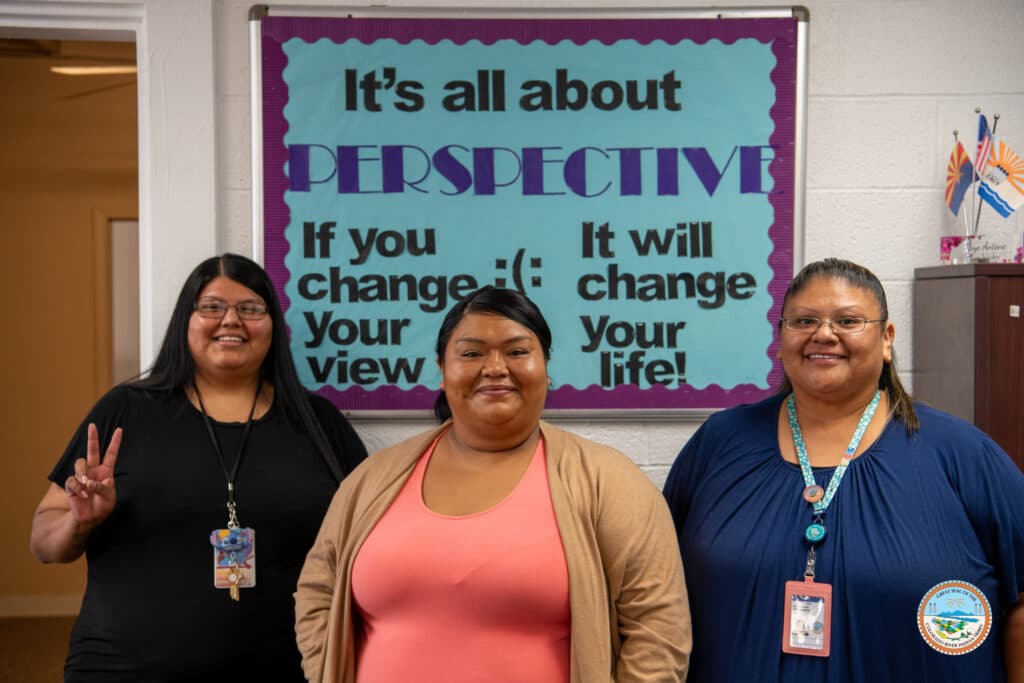
Colorado River Indian Tribes members who need a job, a credential or a way back into school have a single place to start in Parker: the tribe’s Employment Development & Training office. The program sits inside a much larger tribal workforce system, but its day-to-day work is practical and immediate, helping qualified members move from interest to application, from training to a resume, and from classwork to employability.
What ED&T does now
The ED&T office lists Kim Booth as director and says it is open Monday through Friday from 8 a.m. to 5 p.m., with Tami Anderson as case manager, Bethany Stillman as office manager and the program coordinator position vacant. The office says it provides employment services to qualified tribal members through partnerships with the Department of Labor, the Department of Economic Security and CRIT itself. That matters in a county where services are spread across a large reservation and where a single office can be the difference between a stalled job search and a workable plan.
The strongest tool inside ED&T is its computer lab. The tribe says the lab has 14 networked computers and is used for basic education, GED preparation, typing, computer classes and internet access for job seekers. Each workstation includes common office software and career-building tools, and the online system lets users look for employer job openings, file applications, use resume software and check labor market information. ED&T also operates through the CRIT One-Stop Service Center, which the tribe identifies as one of the Nineteen Tribal Nations Workforce Investment Act Service Centers.
The result is a hands-on place to clear common barriers before the job hunt even starts. If you need help getting ready for basic education testing, searching for openings or learning how to navigate online applications, the ED&T setup is built for that. The tribe also points to a hospitality training partnership with Northern Arizona University’s School of Hotel and Restaurant Management, a sign that one clear local pathway runs through service jobs and tourism-related work rather than through long commutes off the reservation.
The school pathway runs through Career Development
ED&T is only one part of the workforce picture. CRIT’s Career Development Office runs the education side, including Adult Vocational Training, and it funds eligible tribal-member students through Tribal and Bureau of Indian Affairs funds for certificates, diplomas or Associate of Applied Science degrees at accredited vocational training facilities. The program length is set at a minimum of six weeks and a maximum of 24 months, which makes it a short-to-midterm route into a trade or credential rather than a multi-year academic detour.
The application rules are specific. Applicants must be enrolled CRIT members, have a high school diploma with a 2.25 GPA or a GED with a 45 percent composite score, be admitted and enrolled at an accredited vocational training facility, and apply for other available aid such as FAFSA. The packet also requires intake appointments, an academic and financial evaluation, a physical exam within three months of applying, an updated immunization record and official transcripts or GED scores. For the 2025-2026 cycle, the fall deadline was June 30, 2025, and the spring deadline was October 30, 2025.
For families with students, the same Career Development Office also runs Youth Services for tribal members under 21. That program covers camps, conferences, exchange programs, boarding school allowances and graduation expenses, and it accepts applications year-round as funding is available. The office’s flyer also lists a Direct Employment, or Job Enhancement, program that pays for training to improve a current job and may help with relocation expenses for newly hired tribal members who are moving in or returning.
Why the federal policy backdrop matters
CRIT’s programs are part of a larger federal workforce framework. The Bureau of Indian Affairs says its Division of Workforce Development coordinates employment, training, education, childcare, welfare, economic development and job-development programs for American Indians and Alaska Natives, with the goal of helping tribal members build occupational and literacy skills and become more competitive in the workforce. The BIA’s Job Placement and Training page also describes support that can include vocational training, on-the-job training, resume writing, interviewing, workplace communication and barrier-removal help such as professional work clothing and childcare.
That broader policy structure is important because tribal workforce programs are not just about filling today’s openings. They are also meant to help people move into better jobs, keep people attached to school and reduce the number of times a family has to start over. On a reservation where self-determination and workforce development overlap, that is not a side benefit. It is the point.
The labor market ED&T is working inside
La Paz County is a very small labor market spread over a very large area. Census Bureau data put the county population at 16,557, with 13.5 percent of adults 25 and older holding a bachelor’s degree or higher, a 38.4 percent employment rate, 352 employer establishments and 8,959 households. The county covers 4,496.6 square miles of land, which helps explain why access to training and reliable work is uneven from Parker to the rest of the river corridor.
CRIT’s own economic base shows both the opportunities and the limits. The tribe says it has more than three dozen departments, and its business pages point to gaming and lodging at the $52 million BlueWater Resort & Casino, agriculture through CRIT Farms, sand and gravel, real estate development and retail as part of the reservation economy. Public tourism materials also underscore the resort’s role as a major economic anchor, while recent tribal messaging says the council is proposing federal legislation to lease part of the tribe’s water allocation for drought relief and economic opportunities.
That combination of a thin county job base and a diversified tribal economy explains why ED&T matters so much. The office can help people build the paperwork and credentials they need, but placement is still constrained by the number of openings nearby. When the training works, the payoff is durable: graduates are meant to return and apply their learning to the tribe’s future, and CRIT’s long-term economic plan depends on more than one program or one employer. It depends on creating a workforce that can grow with the reservation itself.
This article was produced by Prism’s automated news system from verified source data, official records, and press releases, then run through automated quality and moderation checks before publishing. The system is built and supervised by the people who set the standards it runs under. Read our full AI policy.
Did this article answer your question?