Colorado River negotiators still split over cuts, mediation talks continue
Negotiators still disagree on who takes the next Colorado River cuts as the 2026 deadline nears, with Parker, CRIT and La Paz County facing more uncertainty.

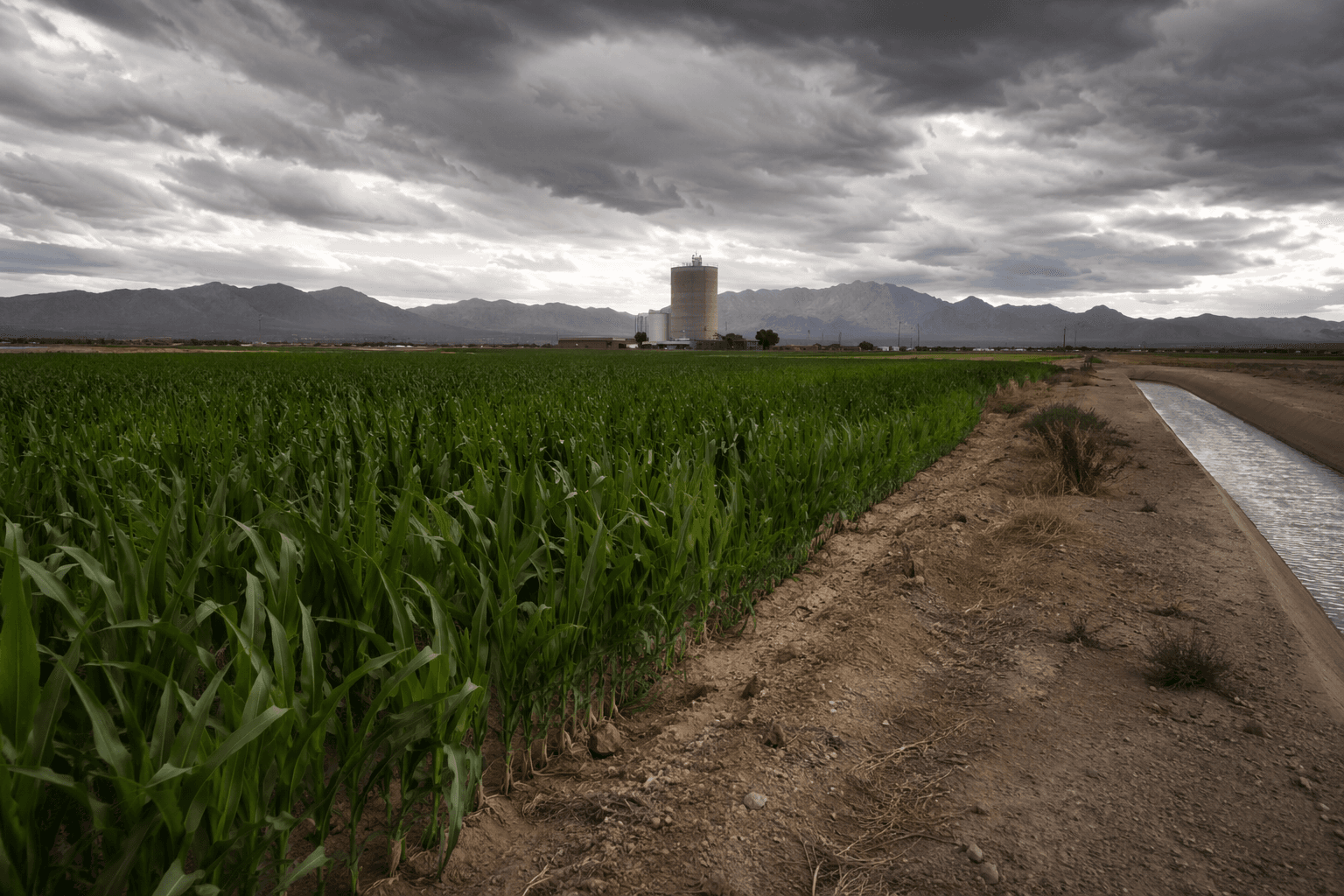
Colorado River negotiators remain split over how future cuts should be shared, even as the current 2007 Interim Guidelines and 2019 drought plans head toward their end-of-2026 expiration. For La Paz County, that keeps Parker, the Colorado River Indian Tribes and local irrigators in the middle of a fight over water they need to plan farms, businesses and river use.
The dispute now runs on two tracks: whether the next operating plan should provide long-term certainty or simply act as a short bridge, and whether mediation can keep the seven-basin states talking long enough to avoid a courtroom fight. Nevada negotiator John Entsminger has said the latest Lower Basin proposal could keep the states out of court for the next few years, while Colorado negotiator Becky Mitchell has questioned whether a two-year negotiation cycle would create stability or just another temporary fix.
The Lower Division States of Arizona, California and Nevada submitted their short-term proposal on May 1, 2026, calling for a path through the end of 2028. The plan says inflows to Lake Powell are trending toward record lows and argues that quick action is urgently required. It would deliver more than 3.2 million acre-feet through 2028 and add at least 700,000 acre-feet of conservation on top of an earlier concept that called for 1.25 million acre-feet in annual reductions.
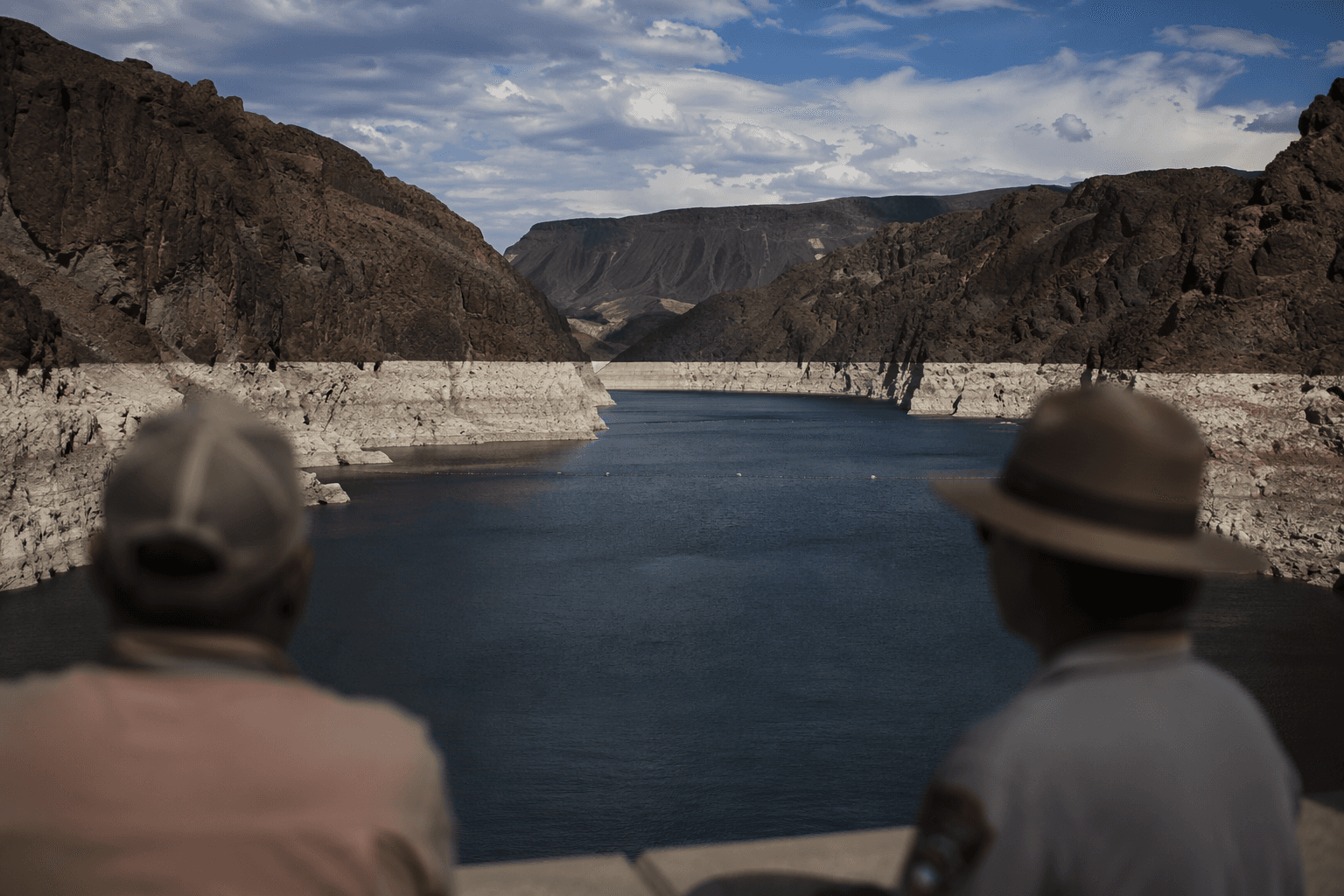
That argument matters in western Arizona because the current system is already under stress. Arizona began living with the first declared Tier 1 shortage in the Lower Basin in 2022, and the Bureau of Reclamation has said the post-2026 operating guidelines are meant to take effect in 2027. Reclamation launched that post-2026 process on June 16, 2023, and its materials say several major reservoir-management agreements expire at the end of 2026, including the 2007 guidelines, the 2019 Drought Contingency Plans and related Minute 323 provisions with Mexico.
Mediation is being discussed as a way to break the deadlock, including a three-mediator structure with one mediator selected by the Upper Basin, one by the Lower Basin and a third chosen by the first two. That would not solve the basin’s math by itself, but it could determine whether the next round of negotiations produces a durable operating framework or another stopgap that expires before La Paz County gets real certainty.
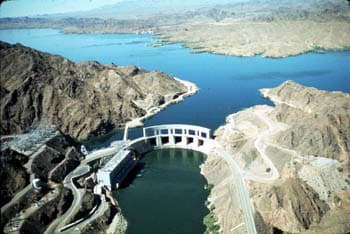
The pressure is already visible downstream and at the river edge. Recent reporting put Lees Ferry flows at about 10,000 cubic feet per second, and one Arizona rafting company said bookings were down about 25 percent. For Grand Canyon outfitters, Parker businesses tied to river recreation and the irrigators who depend on Colorado River deliveries, that is a warning that the next agreement is not just about reservoir charts in Phoenix, Denver or Washington.
This article was produced by Prism’s automated news system from verified source data, official records, and press releases, then run through automated quality and moderation checks before publishing. The system is built and supervised by the people who set the standards it runs under. Read our full AI policy.
Know something we missed? Have a correction or additional information?
Submit a Tip