La Paz County groundwater bill fails as legislature adjourns
HB 2758 died when lawmakers adjourned, leaving McMullen Valley under existing groundwater rules as wells, farms and subsidence concerns remain unresolved.
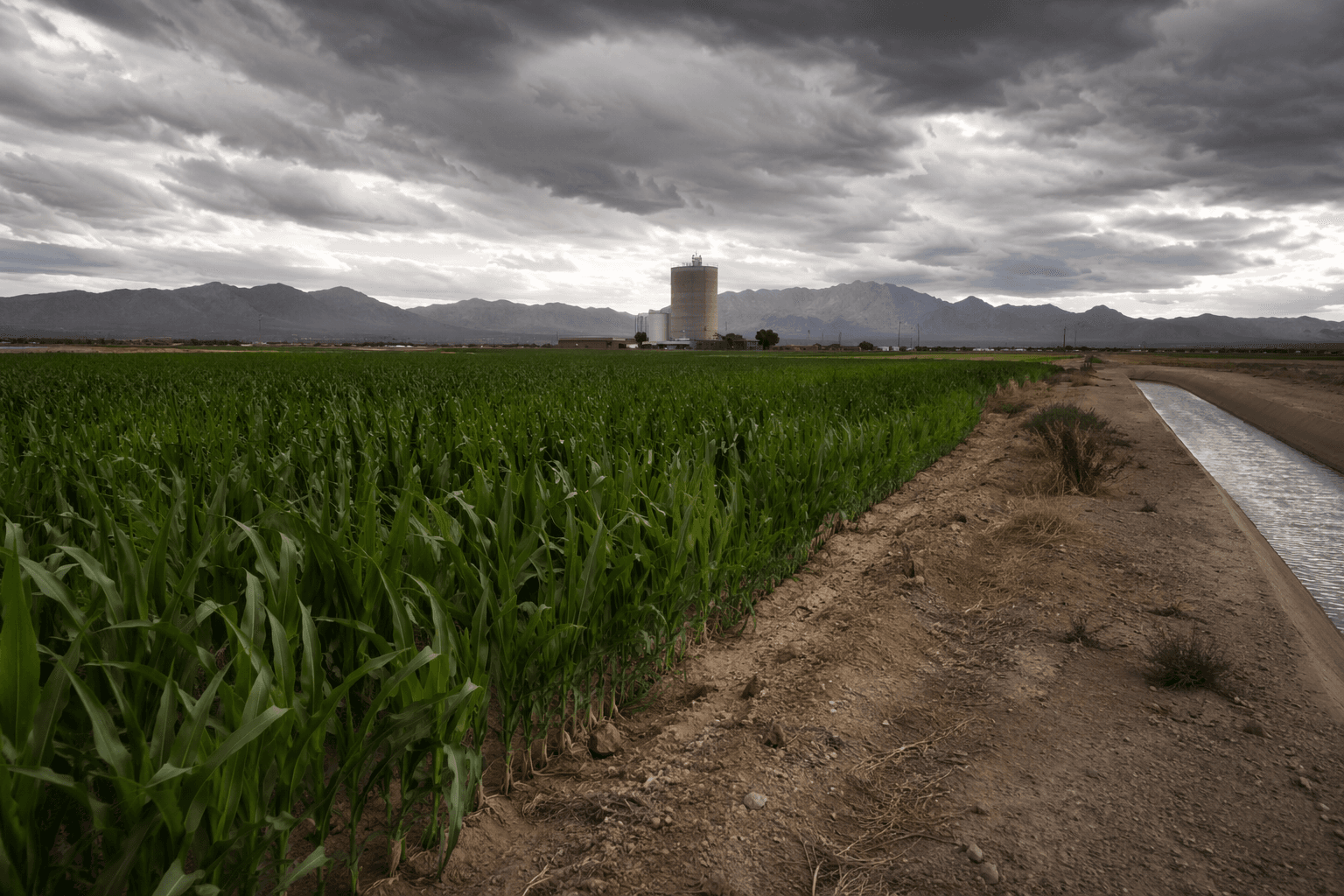
HB 2758 died when the Arizona Legislature adjourned June 13 without finishing the bill, leaving McMullen Valley groundwater policy unchanged for now. For well owners, farmers and residents in Wenden, Salome and Aguila, the immediate result is simple: the state did not grant the new groundwater-moving authority the measure would have created.
The bill, sponsored by Rep. Gail Griffin with Rep. Blackman listed as a co-sponsor, was written to change Arizona groundwater law so eligible entities in La Paz County could move groundwater from historically irrigated acres in the McMullen Valley basin, subject to hydrological studies, metering and limits tied to agency findings. It also would have required annual reporting of withdrawals from the basin. Bill-tracking records show the measure was pushed back onto an active calendar after a failed House action on February 19, but it never completed the process before adjournment.
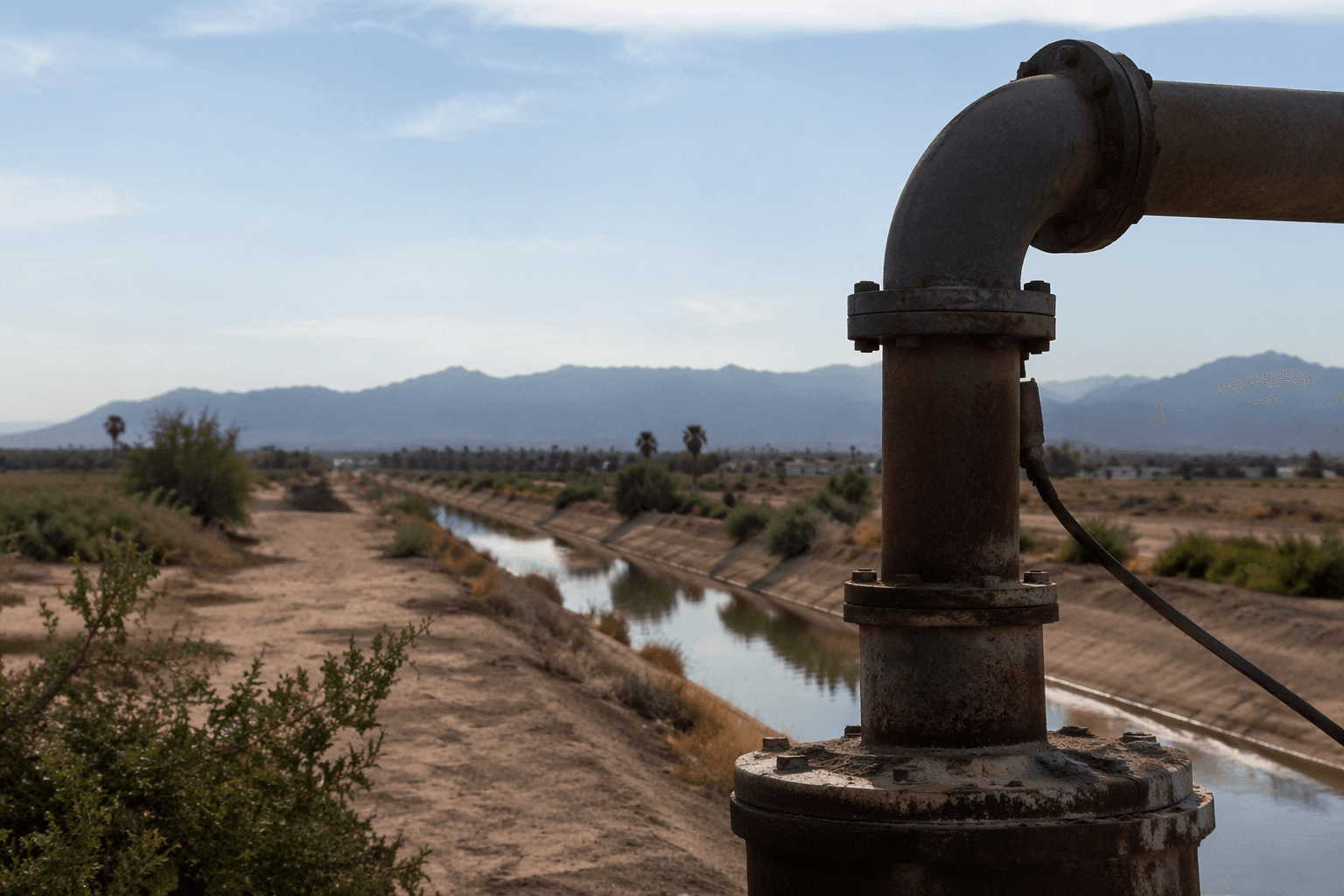
That leaves the core fight exactly where local critics and supporters have been saying it was headed: who gets to control McMullen Valley water, and for what purpose. The Arizona Legislature describes the basin as about 720 square miles, mostly in La Paz County with portions in Maricopa and Yavapai counties. The basin’s footprint includes communities where groundwater is not an abstract issue but part of daily life, from domestic wells to irrigated land and the farms that depend on them.
State water documents show why the stakes are so high. The Arizona Department of Water Resources identifies McMullen Valley as a land-subsidence feature in western Maricopa, eastern La Paz and southern Yavapai counties, with Aguila, Salome and Wenden inside the affected area. Its 2025-2026 map shows parts of the valley sinking at more than 7 centimeters a year, and its 2017-2026 total-subsidence map shows 80 to 100 centimeters of cumulative drop in some places over nine years.
The basin is already under pressure. Arizona State University’s Water Innovation and Planning Collaboration says the overdraft in La Paz County is driven by local agricultural withdrawals, not groundwater transportation, and notes that McMullen Valley is one of three La Paz County transportation basins, alongside Butler Valley and Harquahala. That distinction matters because HB 2758 would have created a new pathway for moving water out of the basin, while current law still leaves many rural groundwater users with fewer protections than communities inside active management areas.
The next battleground is the next legislative session, but the issue will not sit still until then. The Water Alliance of La Paz County, which says it formed to strengthen community understanding of groundwater systems and bring local perspectives into policy discussions, has already made clear that the debate is not over, and the state’s own water records show why McMullen Valley will remain a target for scrutiny before lawmakers return.
This article was produced by Prism’s automated news system from verified source data, official records, and press releases, then run through automated quality and moderation checks before publishing. The system is built and supervised by the people who set the standards it runs under. Read our full AI policy.
Know something we missed? Have a correction or additional information?
Submit a Tip