CRIT food program helps Parker families access groceries and staples
CRIT’s Parker food program serves reservation households and some nearby families with monthly staples, fresh produce and delivery options.
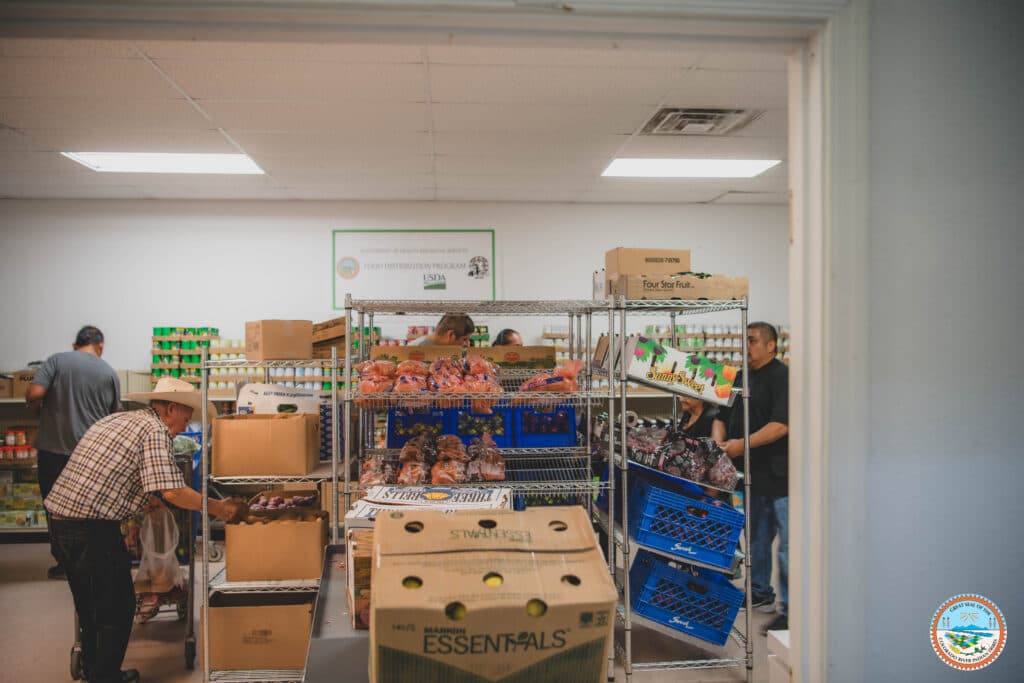
A Parker food program is helping households turn a long drive and a tight grocery budget into a manageable pickup, with USDA-approved foods, fresh produce and confidential service built into the process. For families across the Colorado River Indian Reservation and nearby La Paz County, the key details are simple: who qualifies, where to go and how to get on the schedule.
Who can use the program
The Colorado River Indian Tribes Food Distribution Program serves anyone living within the Colorado River Indian Tribes reservation boundaries, including parts of Arizona and California in and around Parker. It also reaches off-reservation households within 25 miles when at least one person in the home is a CRIT tribal member. That makes the program unusually broad for a rural service area, covering tribal members, non-tribal residents on the reservation, and some neighboring families who are still close enough to face the same grocery access problems.
Eligibility also extends to low-income households, people living on Social Security, students and families going through a hard stretch. The program keeps service confidential, which matters for families who want help without being singled out or sent from office to office. In a county where fixed incomes and long distances can leave cupboards thin before the end of the month, that kind of access can be the difference between running out of food and stretching what is already there.
What families receive
The food packages are designed as supplemental support, not a full month of groceries. CRIT says the boxes can include fruits, vegetables, pantry staples, meats, dairy and grains, giving households a mix of foods that can cover breakfasts, lunches and dinners instead of only shelf-stable items. The program also says it provides USDA-approved foods along with fresh-grown produce.
That combination matters because healthy food access is not only about calories. A box with produce, dairy and meat can help a family balance meals, while shelf-stable staples make it easier to plan around busy weeks, hot weather and unpredictable transportation. CRIT’s own food program materials are explicit that the food is meant to supplement what a household already has, not replace a full grocery trip.
How to enroll and where to go
The food distribution office is at 13951 2nd Avenue in Parker, with mail going to 12302 Kennedy Drive in Parker. Office hours run Monday through Friday from 8 a.m. to 5 p.m., with the office closed for lunch from noon to 1 p.m. Applications can be picked up during regular office hours, and issuance or pickup happens by appointment.
That setup gives families a clear path in and out of the program. Anyone who needs help can start by stopping at the office during business hours, then return for an appointment once their pickup is scheduled. If transportation is a problem, the program can arrange delivery, which is important in a county where errands can mean long drives and where summer heat can make even a short trip harder than it should be.
Why the program matters in Parker and La Paz County
The program sits inside a broader food-access network that already shows how many households are trying to make food budgets work across La Paz County. Arizona’s Commodity Supplemental Food Program serves La Paz County with a once-a-month food package designed to improve health with nutritious USDA foods. USDA’s Food Access Research Atlas was created to identify low-income, low-access areas, and Arizona’s food-access map shows where quality food sources are limited and where providers are located.
That wider picture helps explain why the CRIT program carries so much practical weight. ADHS has also warned about extreme summer heat in La Paz County, and those conditions can make grocery runs more difficult for older adults, families without steady transportation and anyone trying to move cold food safely back home. When temperatures climb and gas costs, distance and time all add friction, a local distribution point in Parker can be more than a convenience. It becomes part of the county’s basic survival infrastructure.
The county’s own community-services page points residents toward food banks and other assistance, which shows how food support is spread across a network rather than resting on one office. In that setting, the CRIT program fills a specific role: it serves reservation households, reaches some nearby off-reservation families and puts usable food closer to where people actually live.
How the program is run
Bryan Enas has managed the program since May 2024, bringing nearly 20 years of warehouse and grocery experience to the job. That background fits the work here, where food distribution depends on inventory control, scheduling, supervision and careful handling of produce as much as it does on the food itself. A program that serves families regularly cannot afford disorder in the back room.
Enas has also described a personal connection to the work and a hope to add a greenhouse so fresh produce can be grown year-round. That idea fits with the tribe’s existing agricultural base. CRIT Farms already operates as a tribal agricultural effort, and the presence of farm staff and a farm manager on the tribal website shows that food production is already part of the community’s system, not a side project. A greenhouse would extend that work and could make the fresh-food supply more stable over time.
The tribal structure behind the service
The Food Distribution Program is part of the Colorado River Indian Tribes Department of Health and Social Services, which is based in Parker. CRIT’s tribal government is overseen by a nine-member Tribal Council, and council members are elected to four-year terms in early December of even-numbered years. The tribe’s enrollment page lists 4,630 members.
Those details matter because the food program is not an isolated pantry. It sits inside a sovereign tribal government with its own departments, elected leadership and long-term responsibilities to members and residents. That structure helps explain why the program can operate as a steady local service rather than a one-time charity effort.
For Parker-area households trying to keep food on the table, the program offers a practical route: check eligibility, pick up an application during office hours, schedule an appointment and get a package that reflects the realities of rural life. In a county where access can hinge on miles, heat and income, that access is a public service with immediate value.
This article was produced by Prism’s automated news system from verified source data, official records, and press releases, then run through automated quality and moderation checks before publishing. The system is built and supervised by the people who set the standards it runs under. Read our full AI policy.
Did this article answer your question?