CRIT Manataba Messenger seeks family tributes to honor mothers
CRIT Media is asking families to honor mothers by May 1, turning the first Manataba Messenger of the year into a local record of family history.
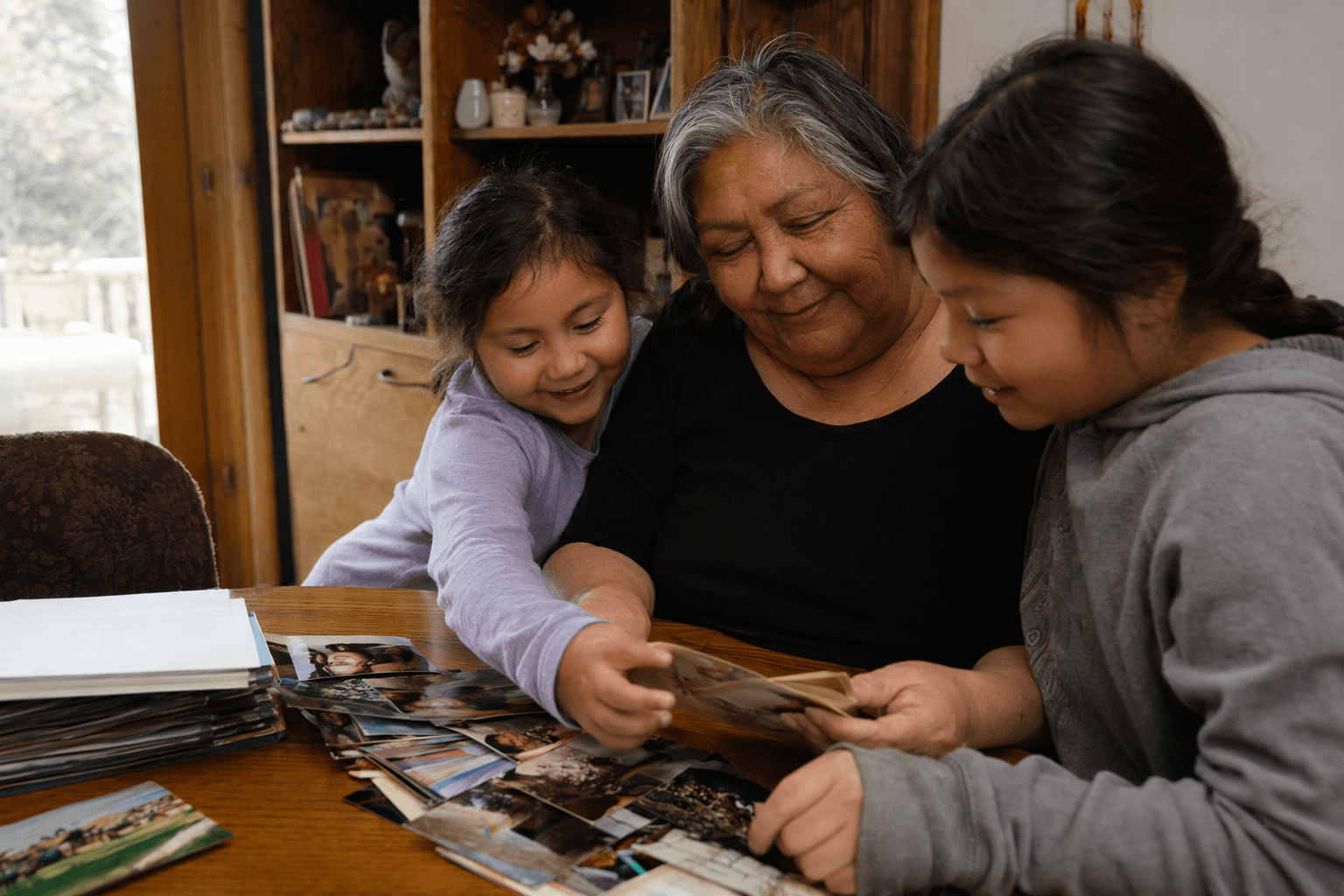
The mothers who shape homes across Parker and the Colorado River Indian Reservation are being invited into print, with CRIT Media asking families to submit a photo and a short tribute by May 1 for the first Manataba Messenger newspaper of the year. Selected participants can also receive complimentary family portrait sessions in the media studio, making the feature accessible to families who do not already have a polished portrait ready to send.
Manataba Messenger is the official newspaper of the Colorado River Indian Tribes, and the tribe says it was brought back in May 2011 after a prior gap in publication. Ivy Ledezma is listed as editor and publisher on the paper’s current masthead. The newspaper operates from Parker, Arizona, at 26600 Mohave Road, and the tribe says off-reservation tribal members are entitled to a free subscription. The paper’s monthly submittal deadline is normally the 25th, but this Mother’s Day call sets a separate May 1 deadline.
That matters in La Paz County because Parker is the county seat and a small town with a population measured in the low thousands, while the tribal community it serves extends well beyond town limits. A census-based profile for the Colorado River Indian Tribes lists 6,269 civilians age 18 and over, showing how many families the paper can reach across the reservation and beyond. The Library of Congress also catalogs Manataba Messenger as a newspaper for Parker and the Colorado River Indian Reservation, reflecting the paper’s long role as a record of local life.

The tribute format asks for more than a snapshot. Families are being asked to identify why a mother matters, what makes her an incredible parent and how her story fits into the larger family line. Submissions that name the mother, explain her role in the household and connect her to Parker, the reservation or the river community will fit the paper’s purpose best, because they turn a seasonal feature into a piece of living tribal history.
For a close-knit community, that printed record carries weight. It preserves names, faces and relationships in a newspaper that already serves as a community bulletin board, and it gives families a public way to honor the women who hold those histories together before the May 1 deadline closes the window.
This article was produced by Prism’s automated news system from verified source data, official records, and press releases, then run through automated quality and moderation checks before publishing. The system is built and supervised by the people who set the standards it runs under. Read our full AI policy.
Did this article answer your question?