Hualapai, CRIT mark Trail of Tears with ceremony near Ehrenberg
Near Ehrenberg, Hualapai and CRIT tied a Trail of Tears remembrance to today’s fights over sovereignty, water and cultural survival.
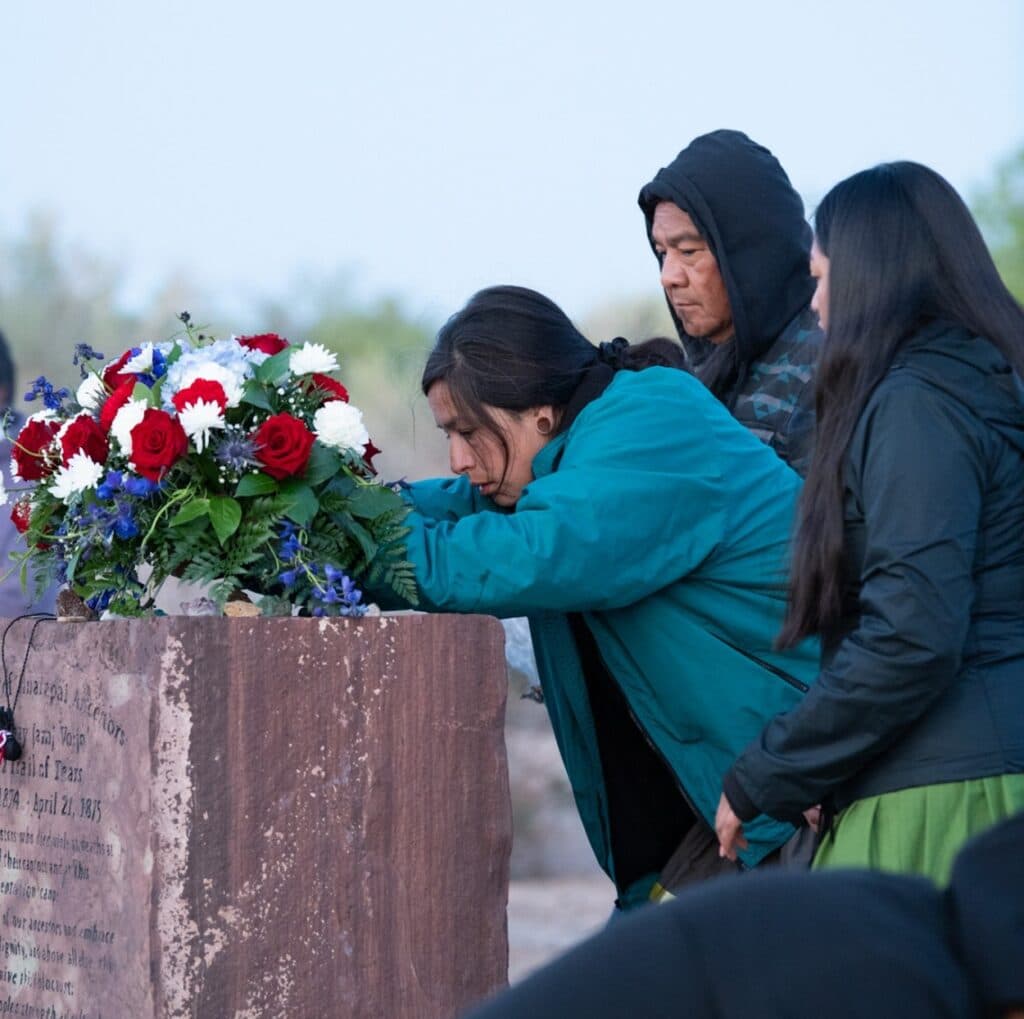
The Hualapai Tribe’s commemoration on the Colorado River Indian Tribes reservation near Ehrenberg turned a remembrance into a statement about who still carries the weight of forced removal in La Paz County and what that history means now. Tribal leaders used the gathering to connect the Trail of Tears to present-day questions of sovereignty, land rights, water rights and cultural preservation, with the Hualapai and CRIT framing those struggles as shared rather than separate.
The April 5 ceremony drew CRIT Tribal Council members Tommy Drennan and Anisa Patch, Hualapai Chairman Duane Clarke, Hualapai Council Member Robert Bravo Jr., Hualapai Council Member Earlene Havatone and Frank Mapatis, who delivered the opening blessing. CRIT is made up of Mohave, Chemehuevi, Hopi and Navajo people, and the ceremony underscored how tribes in western Arizona are linking their histories through public remembrance on the Colorado River Indian Tribes reservation.
For the Hualapai, the date carried direct local meaning. Tribal materials say Hualapai ancestors were forced on a long-walk to La Paz, near present-day Ehrenberg, and that the annual La Paz Trail of Tears Run honors those survivors and their perseverance. The tribe says the run is part of keeping that memory alive across generations, not as a distant chapter from the Southeast but as a story rooted in western Arizona.
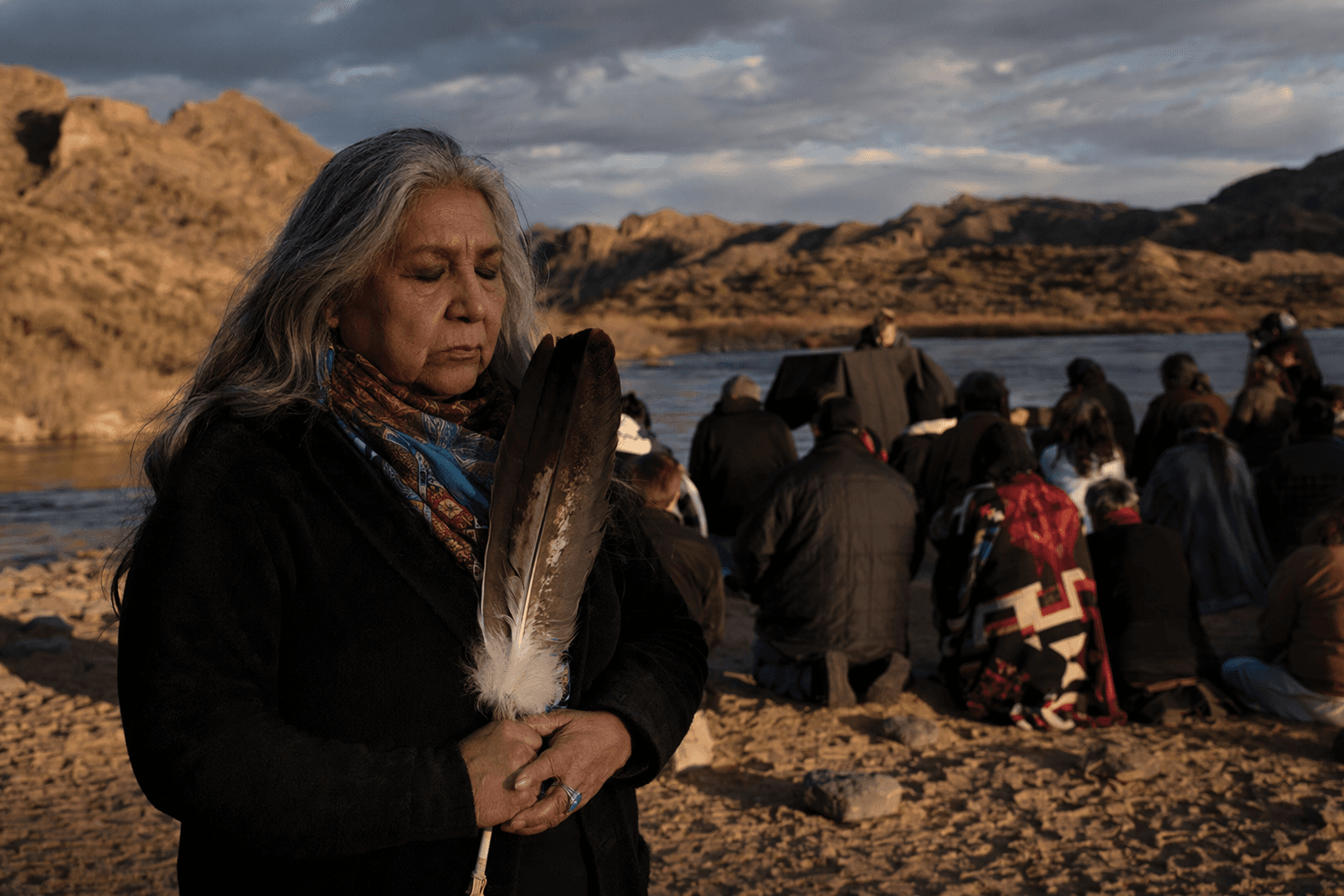
That broader history reaches well beyond La Paz County. The National Park Service says the Cherokee removal began in May 1838, when more than 16,000 Cherokee people were forcibly evicted from homelands in Tennessee, Alabama, North Carolina and Georgia and sent toward Indian Territory in present-day Oklahoma in 1838 and 1839. The Hualapai observance placed that national history beside the tribe’s own experience, showing how forced removal shaped Indigenous communities far from the Southeast as well.
The ceremony also pointed forward. The annual Hualapai La Paz Trail of Tears Run began April 21 and was planned as a two-day run from Kingman to Peach Springs, with more than 100 runners signed up. The starting point rotates among four locations, and last year it began in Ehrenberg near CRIT’s historic La Paz site. With most Hualapai residents living in Peach Springs, about 55 miles east of Kingman on Historic Route 66, the route ties today’s community life to the same land where the tribe says its ancestors were taken.

The Hualapai Tribe’s public notices also linked the observance to continuity and memory, including a follow-up item on the continuity of the LaPaz Trail of Tears and remembrance of former Chairwoman Louise Benson. On CRIT’s side, the reservation’s public messaging continues to emphasize sovereignty and water, including the Colorado River Indian Tribes Water Resiliency Act of 2022 and ongoing work around leasing water allocation. In La Paz County, the ceremony near Ehrenberg was less about looking back than about showing how Indigenous identity still moves through this river corridor today.
This article was produced by Prism’s automated news system from verified source data, official records, and press releases, then run through automated quality and moderation checks before publishing. The system is built and supervised by the people who set the standards it runs under. Read our full AI policy.
Did this article answer your question?