CRIT offers smoke and carbon monoxide detectors to residents
CRIT said smoke and carbon monoxide detectors were available through its Parker health and social-services offices, a timely move as fire season and summer heat raise risk.
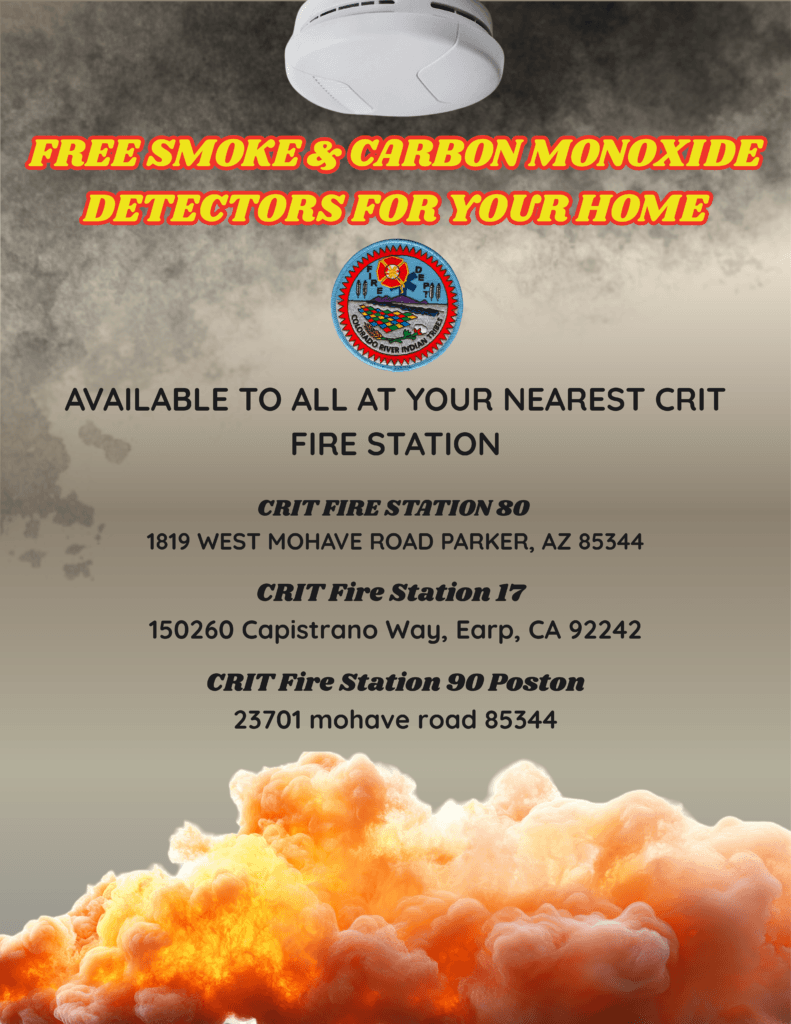
Smoke and carbon monoxide detectors were available to residents through Colorado River Indian Tribes health and social-services channels, CRIT Manataba Messenger said in a June 30 post at 7:16 a.m. The notice arrives as summer heat and wildfire danger continue to sharpen the need for early warning inside homes across Parker and the Colorado River Indian Tribes reservation.
CRIT’s Department of Health and Social Services is listed at 12302 Kennedy Drive in Parker and can be reached at 928-669-6577. CRIT Social Services lists 928-669-8187. The department page also names Isabel De Leon as acting executive director, giving residents a specific local office to contact about the detector notice and any follow-up questions about distribution.
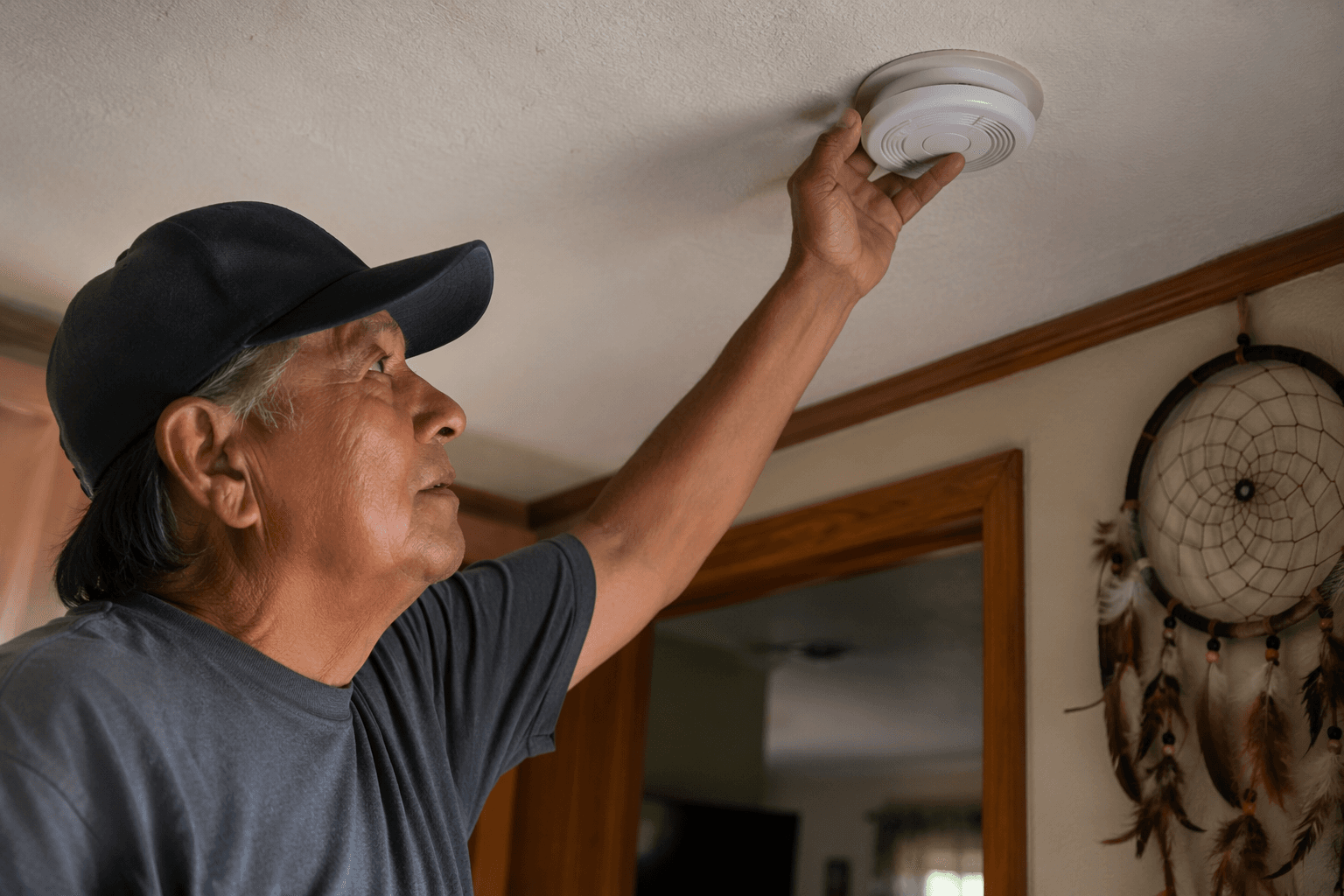
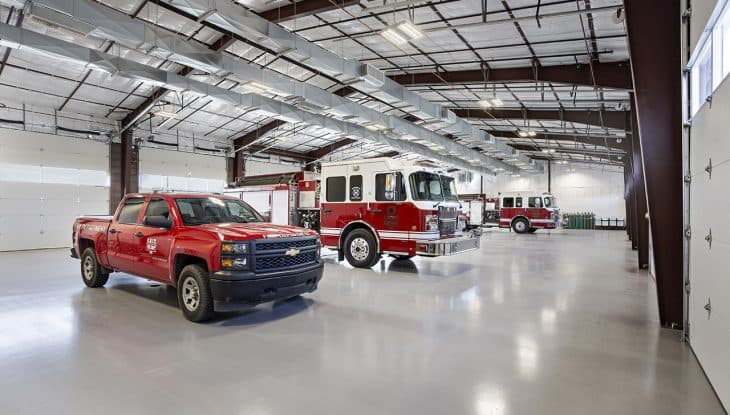
The June 30 post was not the first time CRIT had pushed the message. A related June 7 notice was titled Free Smoke Detectors, suggesting the tribe has been keeping the issue in front of residents for most of the month. CRIT Fire Department safety materials reinforce that approach, with content on fire-season residential awareness and wildfire-prevention information that fits the same public-safety lane.
The timing is important in La Paz County, where a smoke alarm can provide the first warning before a kitchen fire or electrical problem spreads and a carbon monoxide alarm can catch an invisible hazard that people may not notice until they are sick. Arizona Department of Health Services treats carbon monoxide poisoning as a public-health concern in its extreme-weather and environmental health materials, and state health authorities have documented exposure incidents on recreational watercraft at Lake Havasu and Lake Pleasant. That matters in a river community where fuel-burning appliances, generators and boats can all create risk.
Arizona law also reflects that safety priority. Functioning smoke detectors and carbon monoxide detectors are required in certain regulated housing settings, including sober-living homes, and state residential rules assign some smoke-detector maintenance responsibilities to tenants after installation, with repair obligations on landlords after notice of malfunction. For residents who can get detectors through CRIT now, the notice offers a direct chance to add a small device that can prevent a far larger loss.
This article was produced by Prism’s automated news system from verified source data, official records, and press releases, then run through automated quality and moderation checks before publishing. The system is built and supervised by the people who set the standards it runs under. Read our full AI policy.
Did this article answer your question?