CRIT says federal Colorado River shift protects tribal water rights
CRIT said Reclamation dropped a shortage plan that could have weakened its senior Colorado River rights, a shift with direct stakes for Parker and La Paz County.

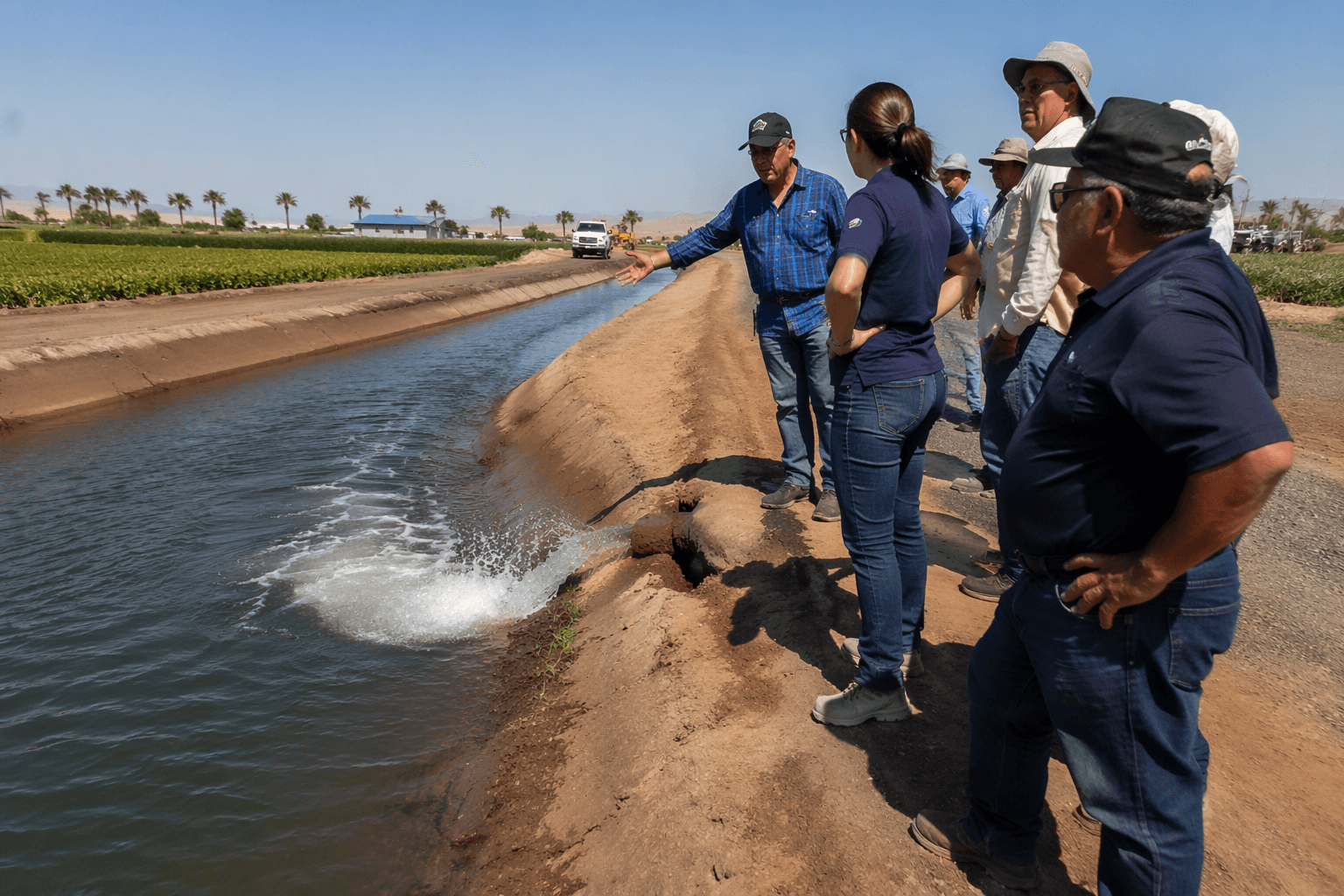
The Colorado River Indian Tribes said a federal reversal on Colorado River shortages protects the tribe’s senior water rights and gives Parker-area planners more certainty as the basin heads toward a new operating era. Under the change, the Bureau of Reclamation told the 30 Tribal Nations in the Colorado River Basin on May 8 that it would no longer pursue across-the-board shortage allocations and would instead follow current law and respect senior tribal rights.
For CRIT, the issue went to the heart of who would have lost leverage if Reclamation had kept the earlier proposal. Tribal leaders opposed any system that would set aside the priority structure and treat all users the same during shortages, because CRIT’s rights trace back to the 1865 reservation and stand among the most senior in the lower basin. The tribe said it had spent more than two years pressing that point and was prepared to defend those rights all the way to the U.S. Supreme Court if necessary.

That legal history matters in La Paz County because the Colorado River Indian Reservation sits along the river and straddles Arizona and California, with more than 4,400 Mohave, Chemehuevi, Hopi and Navajo members living there. In Arizona v. California, the Supreme Court held that tribal reserved water rights date to the creation of the reservation and count as present perfected rights. A University of Colorado Law School article says CRIT has senior rights to 719,248 acre-feet of Colorado River water, nearly one-third of Arizona’s allocation.
The federal shift also arrives as the next round of river rules is being written. Reclamation says the current framework, including the 2007 Interim Guidelines and the 2019 Drought Contingency Plans, is set to expire at the end of 2026, and the post-2026 process also has to account for obligations under the 1944 U.S.-Mexico Water Treaty. Reclamation says roughly 35 million to 40 million people rely on the river for at least part of their water supply, while seven basin states depend on it for water, hydropower, recreation, and habitat.

CRIT said its lobbying included trips to Washington, D.C., meetings with state officials, and direct consultations with federal decision-makers. Reclamation has said it held 30 nation-to-nation consultations and 40 Tribal Information Exchanges during the planning work. A final environmental document is expected in June, leaving the broader operating rules unsettled even as CRIT claims an important win for tribal water rights and long-term planning in Parker and across La Paz County.
This article was produced by Prism’s automated news system from verified source data, official records, and press releases, then run through automated quality and moderation checks before publishing. The system is built and supervised by the people who set the standards it runs under. Read our full AI policy.
Did this article answer your question?