CRIT secures $5 million study for reservoir on reservation
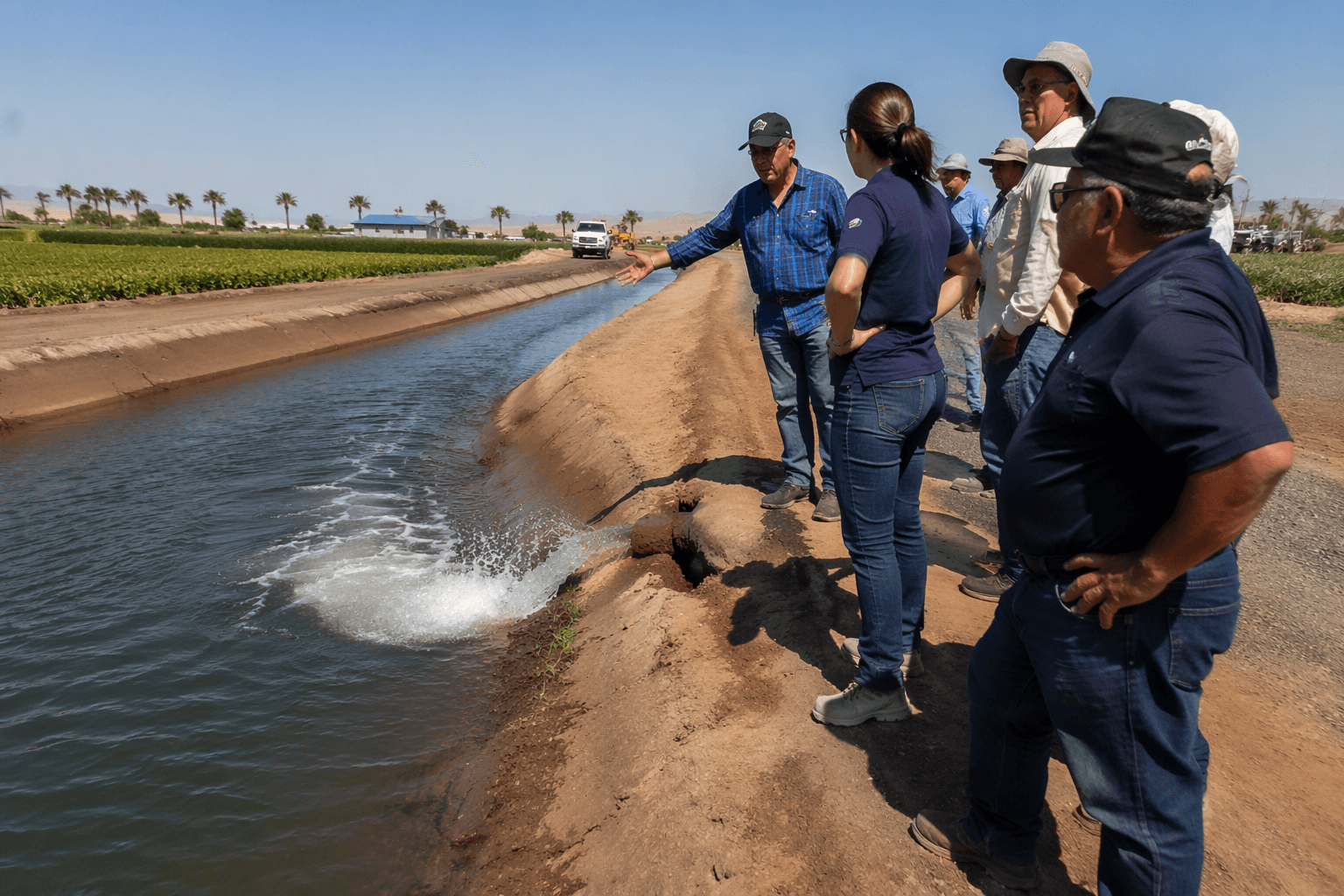
A $5 million federal study could give CRIT a new reservoir tool to steady Colorado River deliveries, save water and support more farming on the reservation.
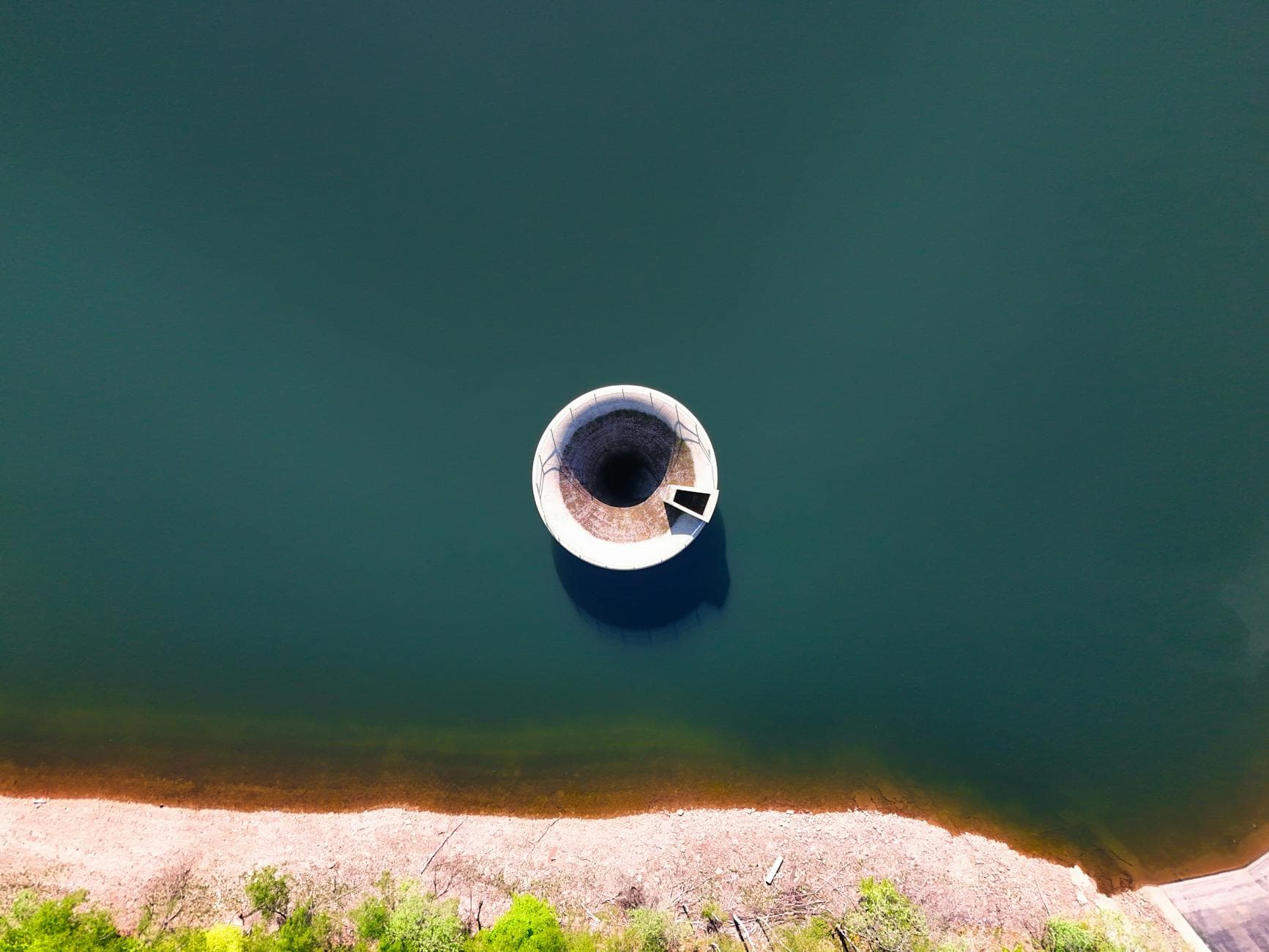
A federal study tied to a new re-regulating reservoir could change how Colorado River water is managed on the Colorado River Indian Tribes Reservation, where every acre-foot matters to irrigation, drought resilience and the farming economy along the La Paz County shoreline.
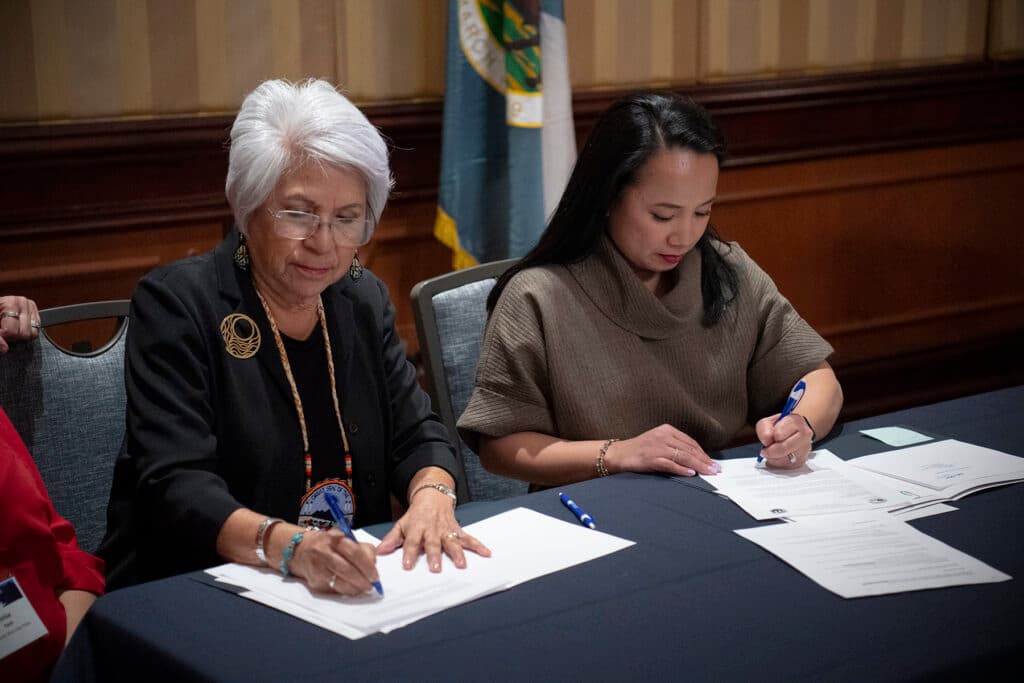
The Bureau of Reclamation signed a letter of intent with Colorado River Indian Tribes on Dec. 4, 2024, the opening day of the Colorado River Water Users Association annual conference in Las Vegas. Reclamation identified up to $5 million for the CRIT Main Canal Re-Regulation Reservoir through its Native American and International Affairs Technical Assistance Program, a planning and design effort that could shape how water is stored and released on tribal land before any construction decision is made.

CRIT said the reservoir could save as much as 35,000 acre-feet of water each year by reducing losses in irrigation systems operated by the Bureau of Indian Affairs on tribal land. That matters on a reservation that stretches for 56 miles along the Colorado River and holds major water rights in both Arizona and California. Circle of Blue reported that CRIT has the right to divert 662,402 acre-feet a year in Arizona and nearly 720,000 acre-feet combined across the two states.
For residents and water users around Parker, the practical question is reliability. A re-regulating reservoir would help smooth out deliveries from the main canal system, giving tribal water managers more flexibility over when water is released, stored and used. CRIT said the project could also put more than 5,000 additional acres into production, tying water savings directly to agriculture and local economic activity on the reservation.

The study is also expected to examine an associated wetland, broadening the project beyond storage alone. CRIT has partnered with the National Audubon Society and the Walton Family Foundation, signaling an effort to link water supply, habitat and conservation in the same proposal. Chairwoman Amelia Flores said the tribe has a sacred responsibility to care for and sustain the river and the environment that gives life to the people of the basin.
Flores also used the announcement to press a harder point: the reservation’s irrigation system still carries a maintenance backlog of about $300 million. The $5 million study is a step forward, but not a substitute for the long-delayed repairs that still shape day-to-day water management on tribal land.
The agreement landed in a larger federal package of more than $43.7 million in Colorado River Basin tribal investments announced the same day. It also comes as tribes push to be included in post-2026 Colorado River negotiations, with the current operating guidelines set to expire at the end of 2026. For CRIT, the reservoir study is part of a broader shift from defending water rights to actively managing them for storage, delivery, habitat and long-term control.
This article was produced by Prism’s automated news system from verified source data, official records, and press releases, then run through automated quality and moderation checks before publishing. The system is built and supervised by the people who set the standards it runs under. Read our full AI policy.
Did this article answer your question?