La Paz County braces for hotter monsoon with above-normal rain chances
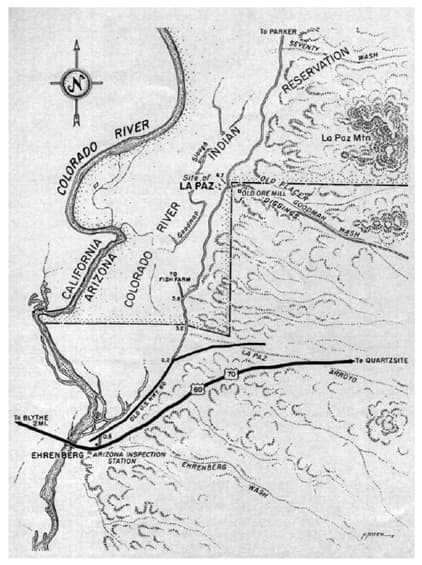
Hotter monsoon weather could strain cooling systems and turn washes into hazards across La Paz County, from Parker to Ehrenberg.
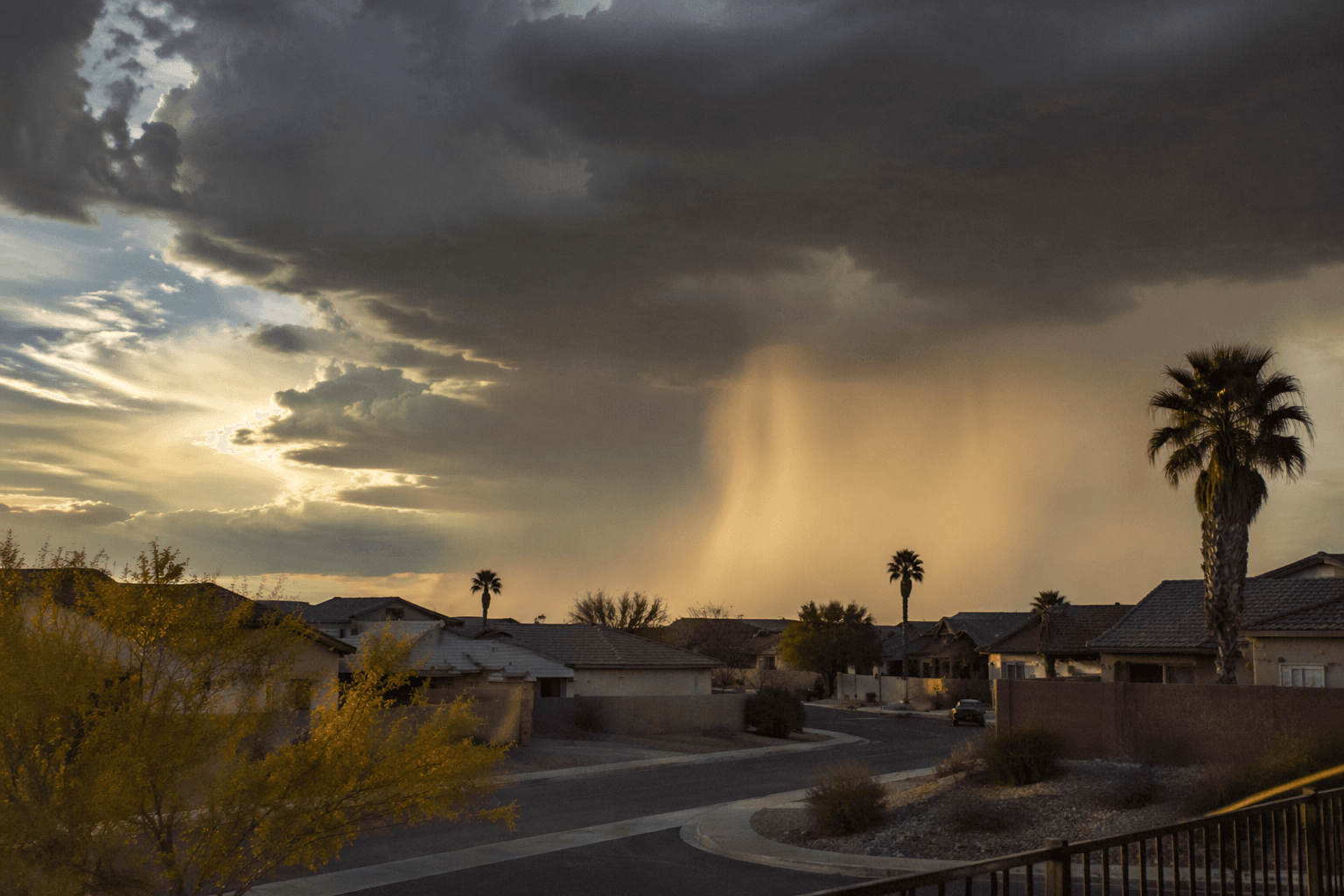
Hotter-than-normal temperatures and a better chance of rain are lining up to make this monsoon season a double threat in La Paz County. In Parker, Quartzsite, Bouse and Ehrenberg, that can mean heat stress during the day and sudden wash flooding, road closures and visibility problems when storms move through.
The 2026 Arizona Monsoon Outlook points to warmer-than-average temperatures and above-normal precipitation across Arizona. National Weather Service forecasters also say late-summer tropical cyclone activity could help boost rainfall chances, a reminder that the Desert Southwest can shift quickly from dry heat to fast-moving storms. Monsoon Awareness Week ran June 7-13, putting the season’s hazards in focus just as summer weather ramps up.
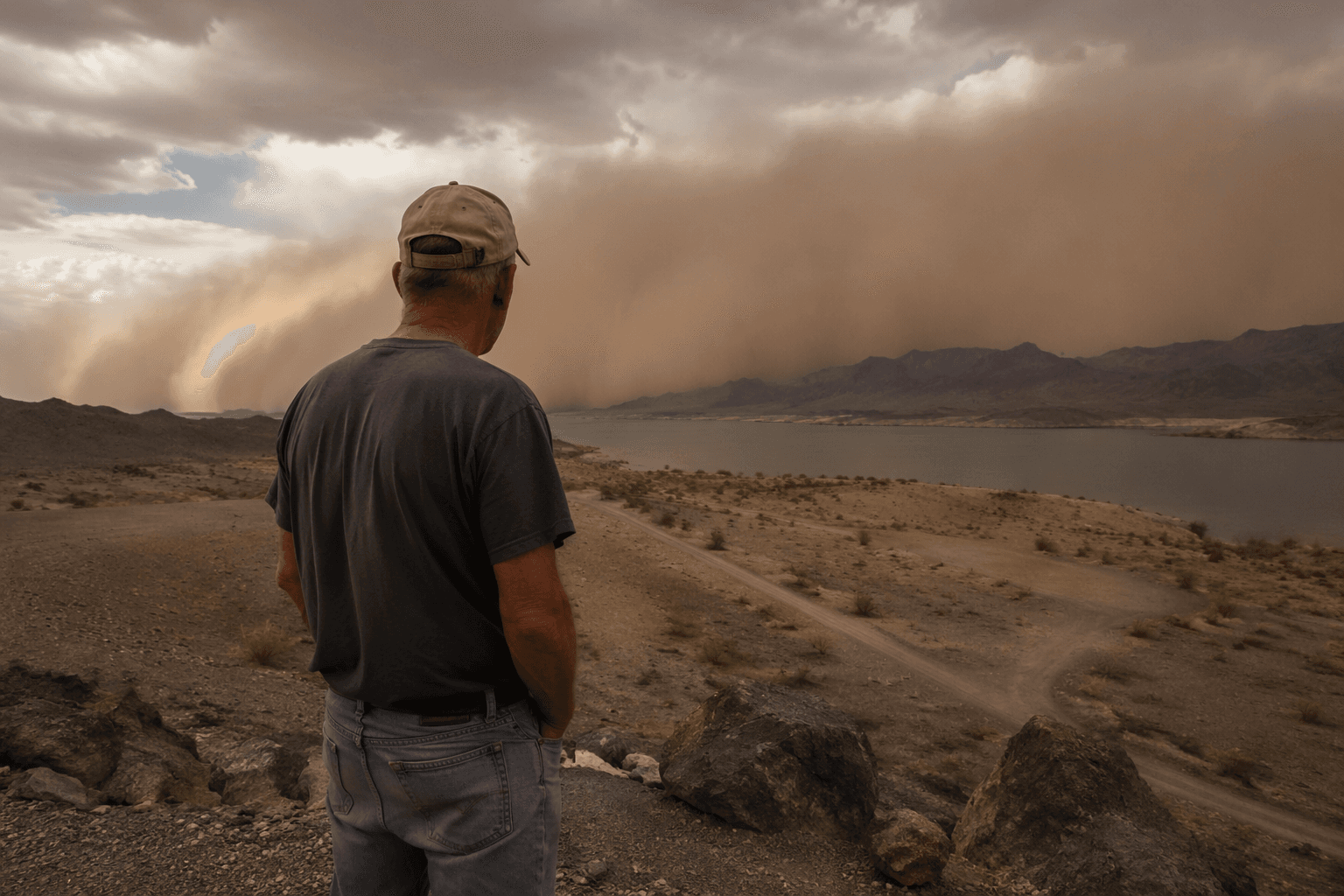
For La Paz County, the practical risk is not just rain. Arizona Department of Health Services says extreme heat is a serious and growing threat, and its 2026 Updated Strategies and Approaches report is aimed at reducing heat-related illnesses and deaths. Arizona Department of Transportation says monsoon season runs from June through September and can bring thunderstorms, heavy rain, lightning, hail, high winds, flash flooding, dust storms and extreme heat. In a rural county where people often drive long distances for work, school, medical appointments and shopping, those hazards can hit travel plans fast.
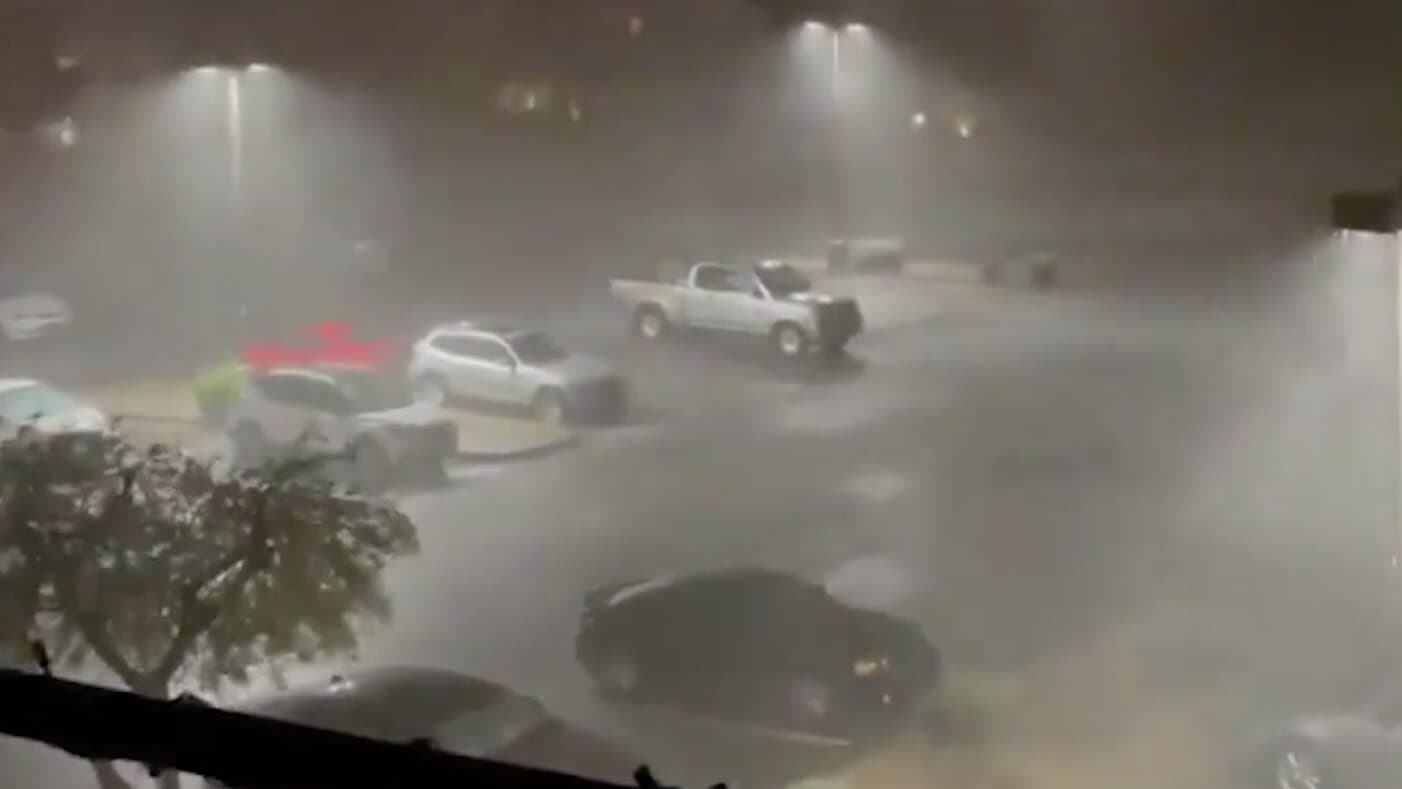
NWS Phoenix’s storm-event archive shows that La Paz County and nearby desert communities have already seen monsoon-related impacts in past seasons, including events affecting Quartzsite, Brenda, Bouse and Ehrenberg. One NWS Phoenix storm summary for Sept. 1 covered severe storms across Southwest Maricopa and La Paz counties, underscoring how quickly desert weather can cross county lines and disrupt roads, utilities and emergency response. The county’s official forecast zone also includes the area around Tiger Wash Fan, a sign of how closely wash corridors are watched in western Arizona.
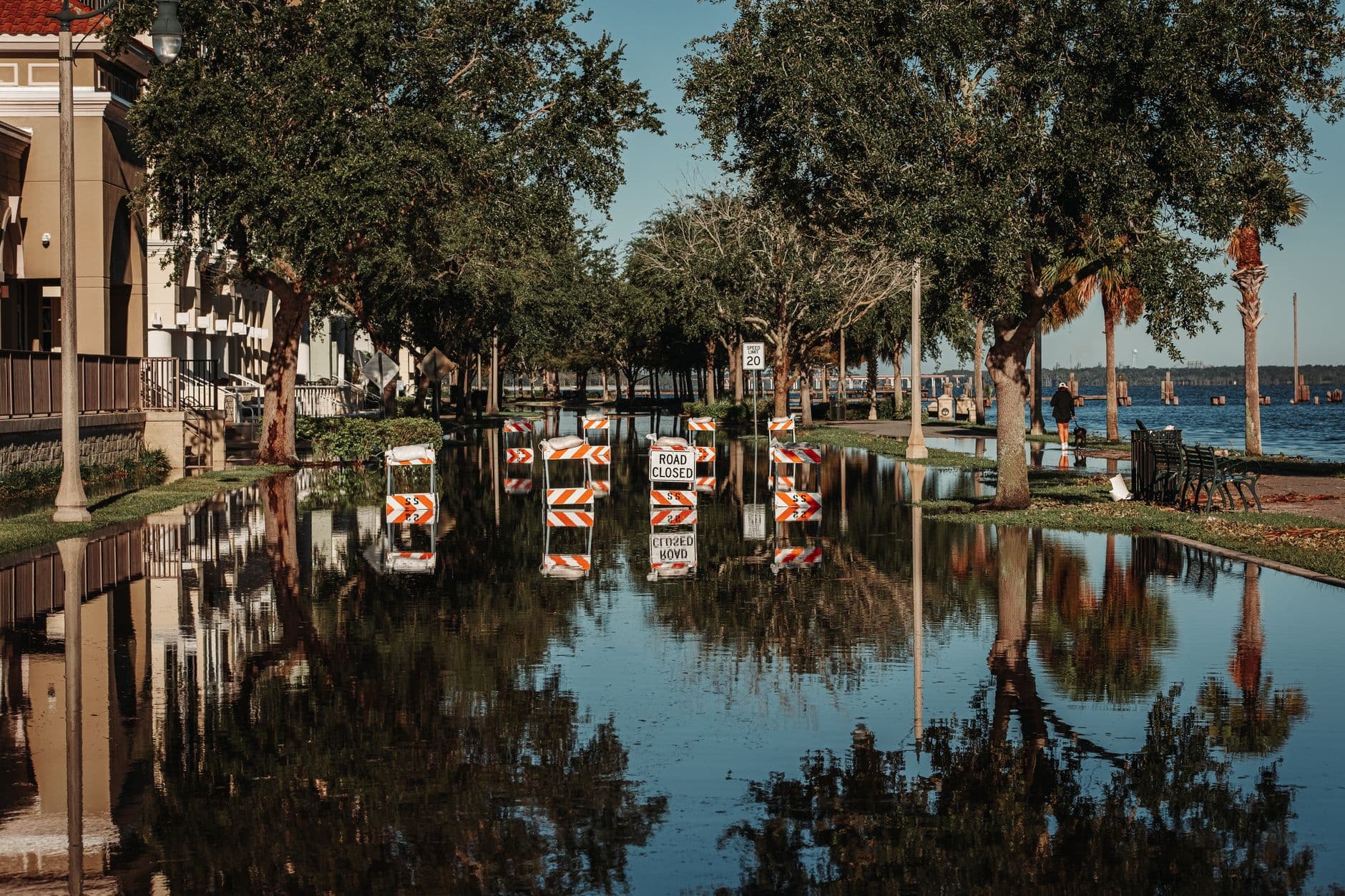
That matters because desert flooding often starts with only a short burst of rain. A storm that looks minor in one part of the county can still send water across a wash, reduce visibility on highways and leave drivers stranded. The same season that pushes temperatures up can also raise the odds of power interruptions, especially when strong winds or dust storms affect the grid and stretch cooling demand.
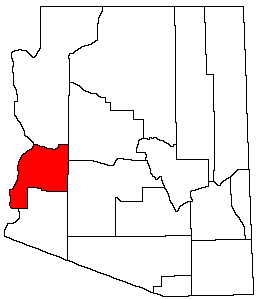
For residents across La Paz County, the message is straightforward: prepare before the first major storm hits. The season is likely to bring heat, dust and flash-flood risk at the same time, and the communities along the Colorado River and across the desert will feel those swings quickly.
This article was produced by Prism’s automated news system from verified source data, official records, and press releases, then run through automated quality and moderation checks before publishing. The system is built and supervised by the people who set the standards it runs under. Read our full AI policy.
Know something we missed? Have a correction or additional information?
Submit a Tip