La Paz County in the path of Colorado River water fight legacy
Parker Dam still shapes La Paz County’s water future as federal Colorado River rules near expiration, raising the stakes for farms, homes and river businesses.
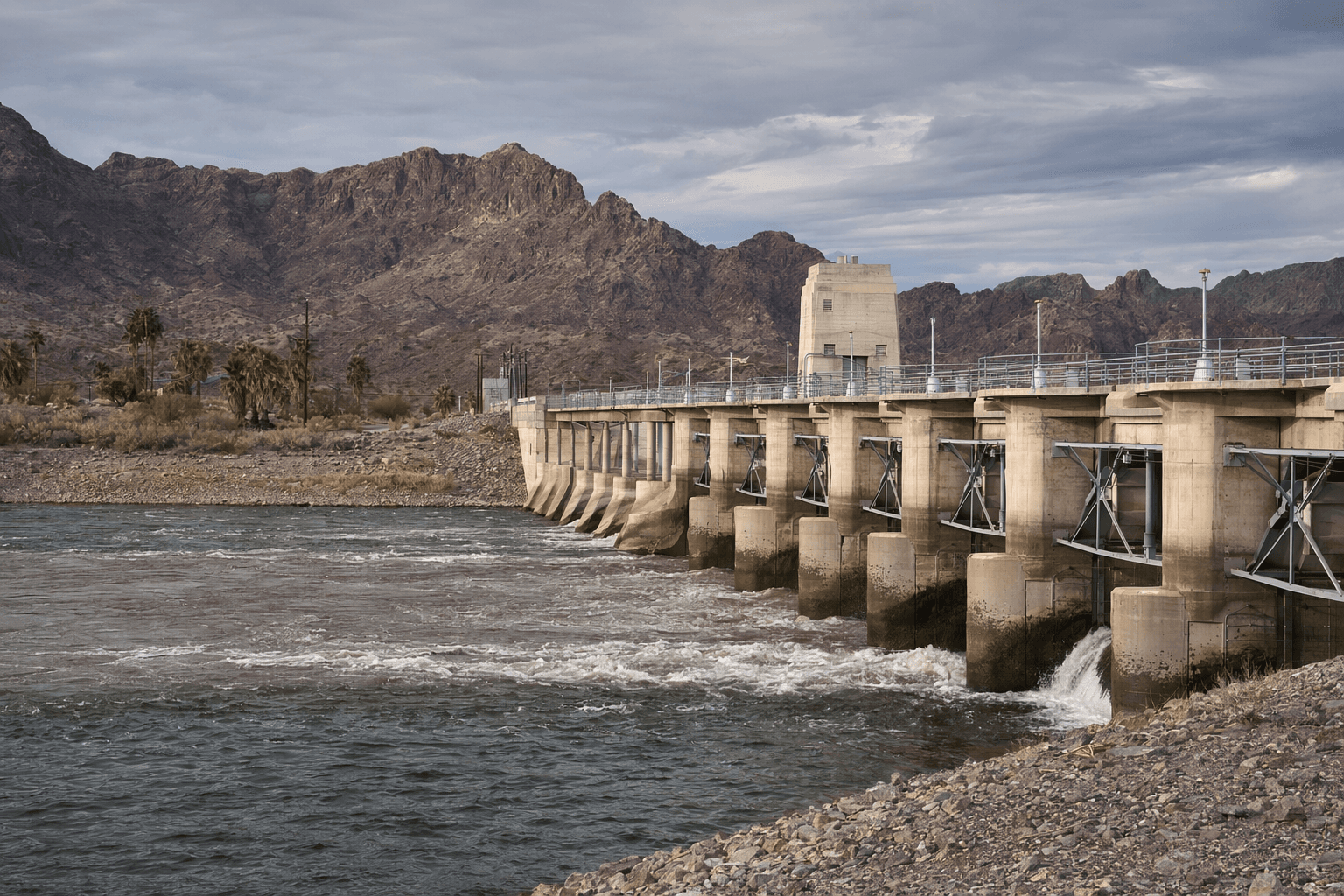
La Paz County sits where the next Colorado River fight can turn from policy into pump schedules, crop decisions and river access. If basin talks keep stalling, Parker-area water reliability, farming in the river corridor and the recreation economy tied to Lake Havasu all face another round of uncertainty as federal rules for the system head toward expiration at the end of 2026.
That urgency is why the Parker Dam War still matters. Nearly a century ago, Arizona and California clashed after the 1922 Colorado River Compact was negotiated by the seven basin states and Arizona refused to sign because the deal did not allocate water among the states. California pushed ahead with plans for Parker Dam, and Arizona Gov. Benjamin B. Moeur responded in 1934 by calling out the Arizona National Guard. The Arizona Memory Project says Moeur sent two detachments of National Guardsmen up the Colorado River on March 10, 1934, to patrol the Arizona shore near Parker Dam.
The conflict did not stop construction. According to the National Park Service, excavation for Parker Dam began in October 1934, Congress authorized the project in the Rivers and Harbors Act of August 30, 1935, and the dam was completed in 1938. Today the dam and the reservoir it created, Lake Havasu, sit at the center of a water system that serves both the Metropolitan Water District of Southern California’s Colorado River Aqueduct and the Central Arizona Project.
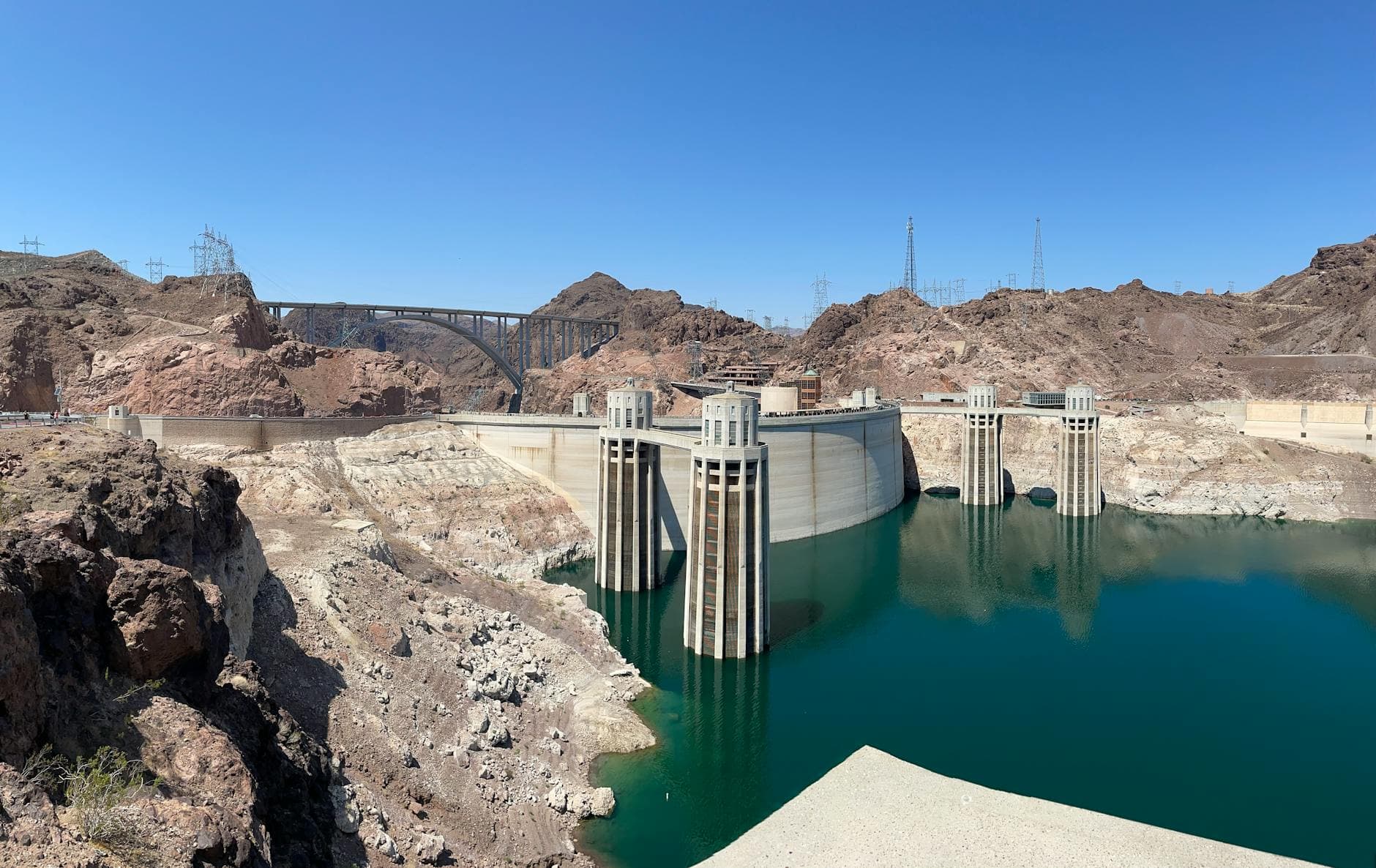
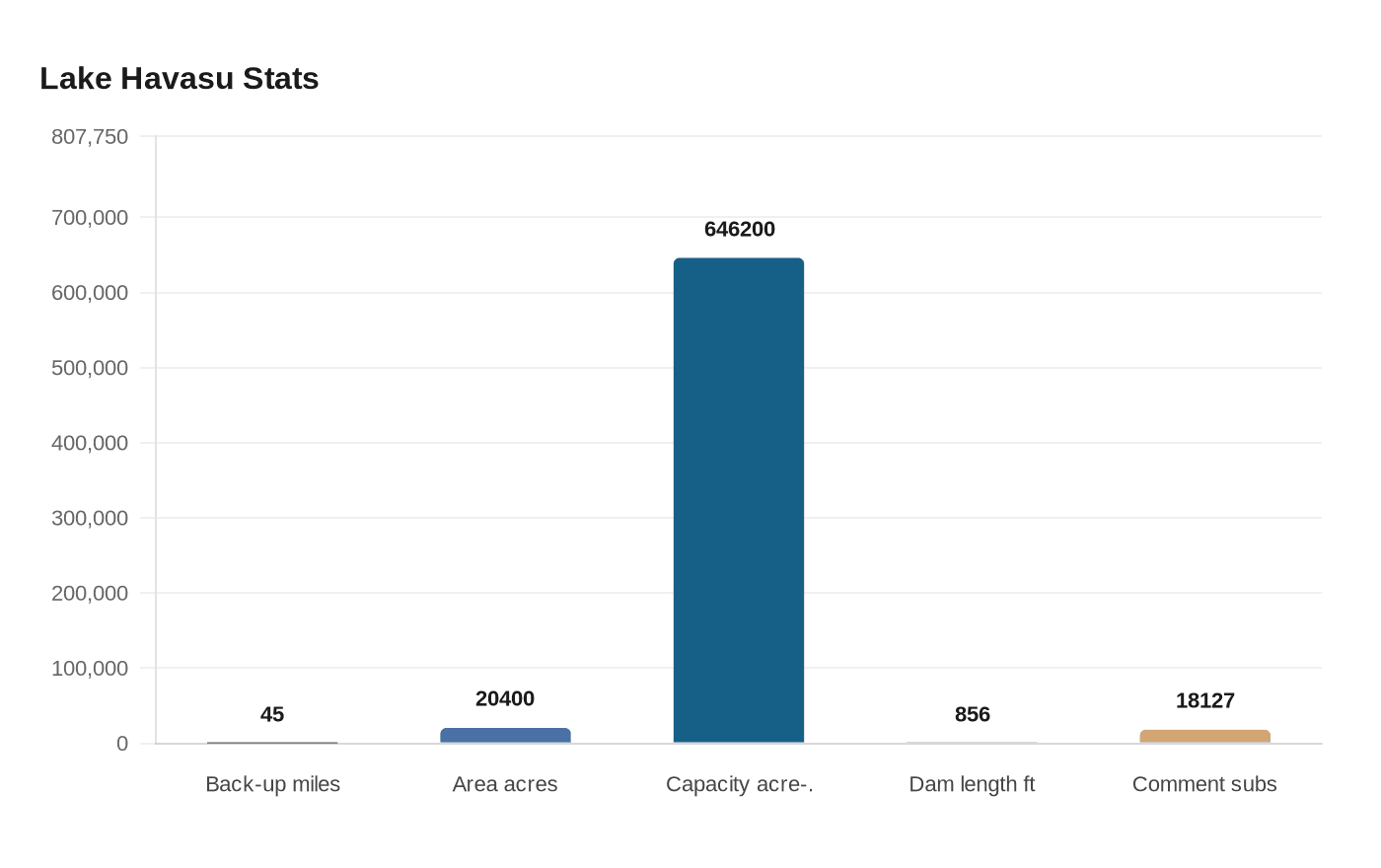
That dual role is what gives La Paz County residents standing in the current dispute. Lake Havasu backs up for 45 miles, covers more than 20,400 acres and holds 646,200 acre-feet, while Parker Dam itself is 856 feet long. The reservoir is not just a historic landmark; it is part of the plumbing that affects water delivered into Arizona and across the border into California.
The U.S. Bureau of Reclamation says its post-2026 process is meant to set operations for Lake Powell, Lake Mead and other Colorado River management actions for potentially decades. Reclamation also received 18,127 submissions during the 45-day comment period on the Draft EIS, a sign of how many tribes, states, agencies, organizations and residents are pressing for a say.
Arizona’s Department of Water Resources says its Colorado River Management Section represents the state in policy negotiations over entitlements, and state leaders have warned that federal post-2026 proposals could seriously affect Central Arizona Project supplies. For Parker, La Paz County and the river communities that depend on both, the old fight over Parker Dam is no museum piece. It is a warning that the next decision on the Colorado River can still reach straight into daily life.
Know something we missed? Have a correction or additional information?
Submit a Tip