La Paz County Residents Urge State to Keep Ranegras Basin Water Local
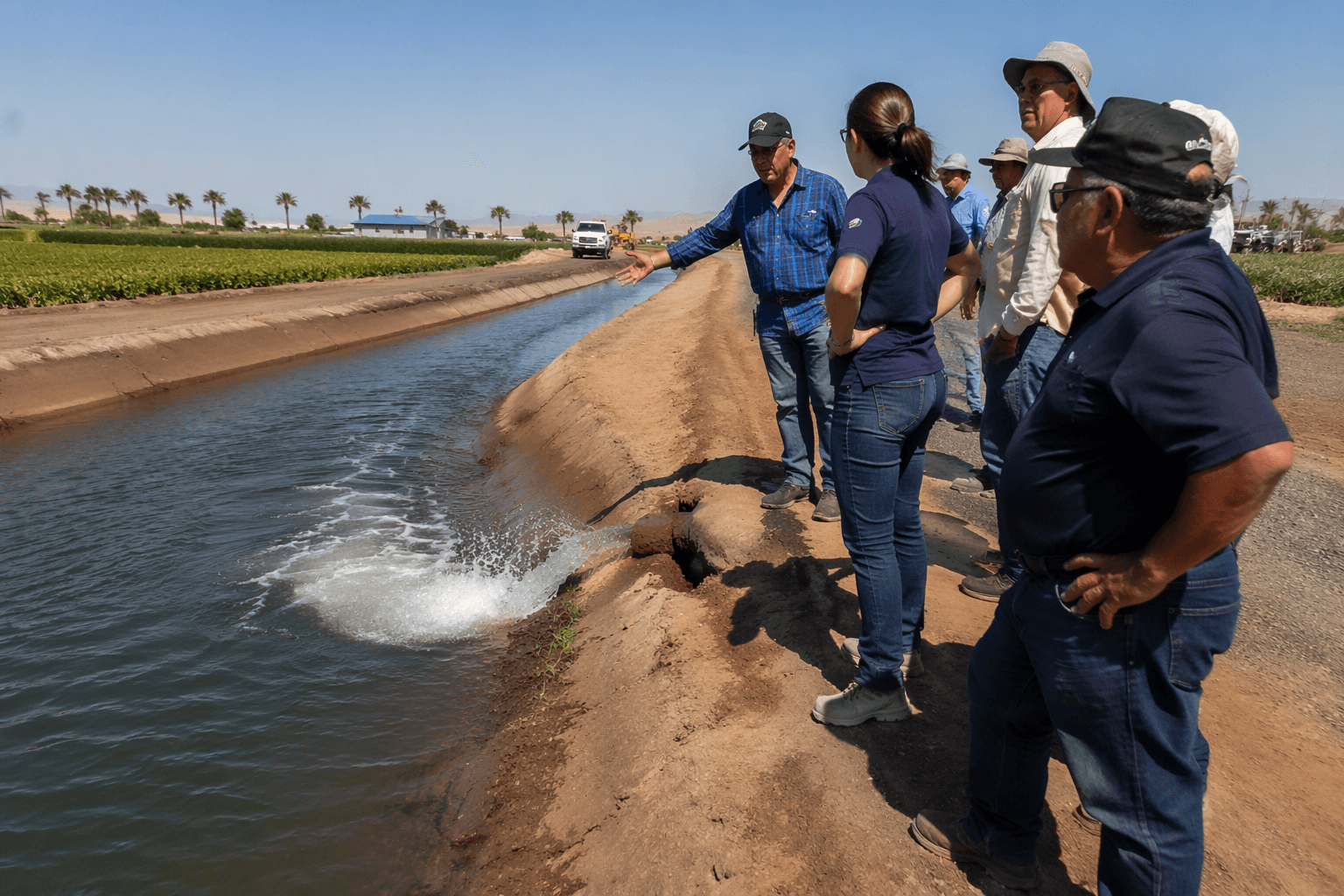
La Paz County residents told state regulators their Ranegras Basin groundwater must stay local, fearing Phoenix could eventually claim it through legislative changes.

Months after securing the first-ever groundwater protections for the Ranegras Basin, La Paz County residents are pressing state regulators to ensure those hard-won gains don't become a pipeline to Phoenix.
At a public hearing before the Arizona Department of Water Resources, residents raised three intertwined fears: that Phoenix will eventually claim their water, that the proposed management plan won't meaningfully change the status quo, and that state officials will act without genuine community input. ADWR staff acknowledged the concerns and committed to holding numerous meetings and workshops at the Ranegras Basin in the months ahead, developing the plan with local guidance before the agency director makes a final decision following formal public hearings.
Ben Bryce, a special advisor to the ADWR director, tried to ease the most urgent fear directly. "That's not a thing, it's not how AMAs work," he told those gathered at the hearing. Under current Arizona law, water transfers from rural areas to the Phoenix metro can only originate from specific designated basins, and the Ranegras Plain is not among them. Residents acknowledged knowing that, but said they don't trust the law to stay that way. Those at the hearing told reporters they believe politicians at the Capitol could change the statute to allow transfers in the future.
That skepticism is rooted in recent history. A few years ago, La Paz residents organized against a California-based company, Heliogen, that sought to rezone 3,300 acres of federal lands for an industrial facility that would have tapped the county's aquifer. After sustained public backlash, Heliogen withdrew its rezoning application in 2024. The fight left local organizers wary but organized.
"There's a lot of big business that want to come in here," said Sarah Saidler, who joined the opposition to Heliogen and now supports the groundwater management plan. Saidler holds several day jobs near Brenda and has two elderly parents living in the area, giving her a personal stake in the basin's future.
The new management plan will require hydrologic impact analyses for proposed high-capacity wells and give regulators authority to vet those applications before drilling begins. Residents mostly welcomed that structure, though many remain frustrated that the plan won't directly target foreign-owned Fondomonte, whose farming operations draw from the same aquifer that supplies thousands of households in La Paz and neighboring Yuma County.
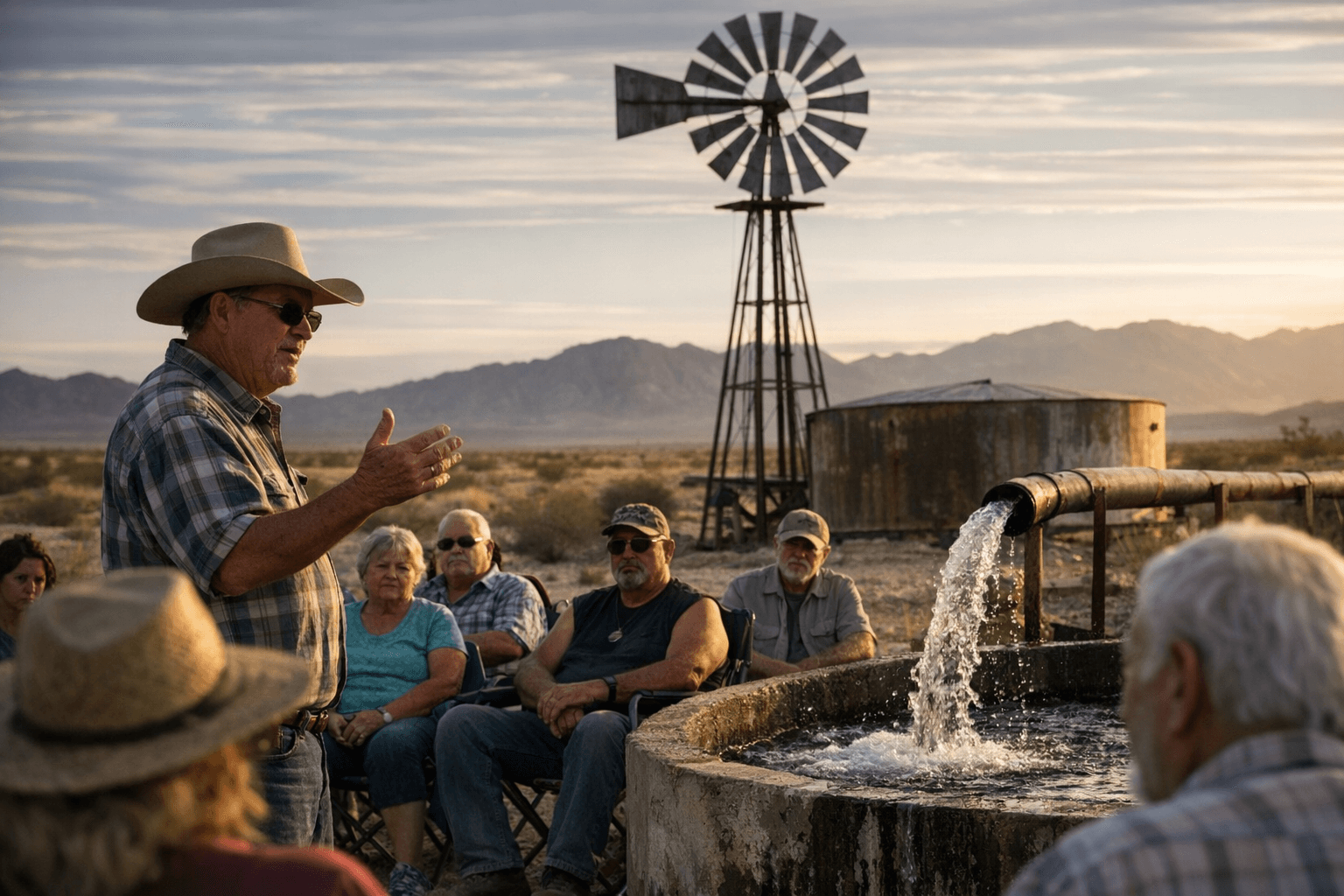
District Supervisor Holly Irwin, who has spent a decade pushing for Ranegras protections, captured the moment's weight and its limits. "Getting the one basin protected validates all the blood, sweat and tears for a decade," she said. "But with groundwater, the work will never be done."
That warning proved prescient almost immediately. Just days after the Ranegras protections were announced, the Arizona legislature introduced a bill that would allow Water Asset Management, a New York City hedge fund that purchased 13,000 acres in La Paz in 2024, to pump water from another local basin and sell it to Phoenix suburbs. Irwin, sick with the flu, couldn't testify in person against the bill but had her statement read into the record, emphasizing the devastating effect the legislation would have on the community's ability to survive and grow.
Governor Katie Hobbs has thrown her support behind ADWR taking formal steps toward establishing the Ranegras Plain Groundwater Basin plan. "When I traveled to La Paz County, I saw first hand the struggles of local residents and business owners who have had to deal with unrestricted groundwater pumping from out-of-state corporations who are pumping our state dry while the people of Arizona suffer," Hobbs said. "It's time to put Arizonans first and protect our water from corporate interests profiting at our expense."
Ranegras is the third region in Arizona to receive new groundwater protections in the past four years, ending more than four decades of state inaction. Groundwater supplies more than 40 percent of all the water used across Arizona, surpassing even what flows from the Colorado River. For La Paz County, that underground reserve is not an abstraction. As Irwin put it plainly: "Everybody's looking for water.
This article was produced by Prism’s automated news system from verified source data, official records, and press releases, then run through automated quality and moderation checks before publishing. The system is built and supervised by the people who set the standards it runs under. Read our full AI policy.
Did this article answer your question?