La Posa LTVA explains Quartzsite’s winter basecamp, permit system
La Posa’s permit rules, basic amenities, and seasonal timing explain why Quartzsite becomes a winter basecamp, and why the influx shapes local traffic, services, and business.
The Bureau of Land Management created La Posa Long Term Visitor Area in 1983 to meet the needs of winter visitors and protect the desert from overuse. The site still works on that same logic today, with clear rules, limited infrastructure, and a camping season built around the cold months.
Why La Posa exists
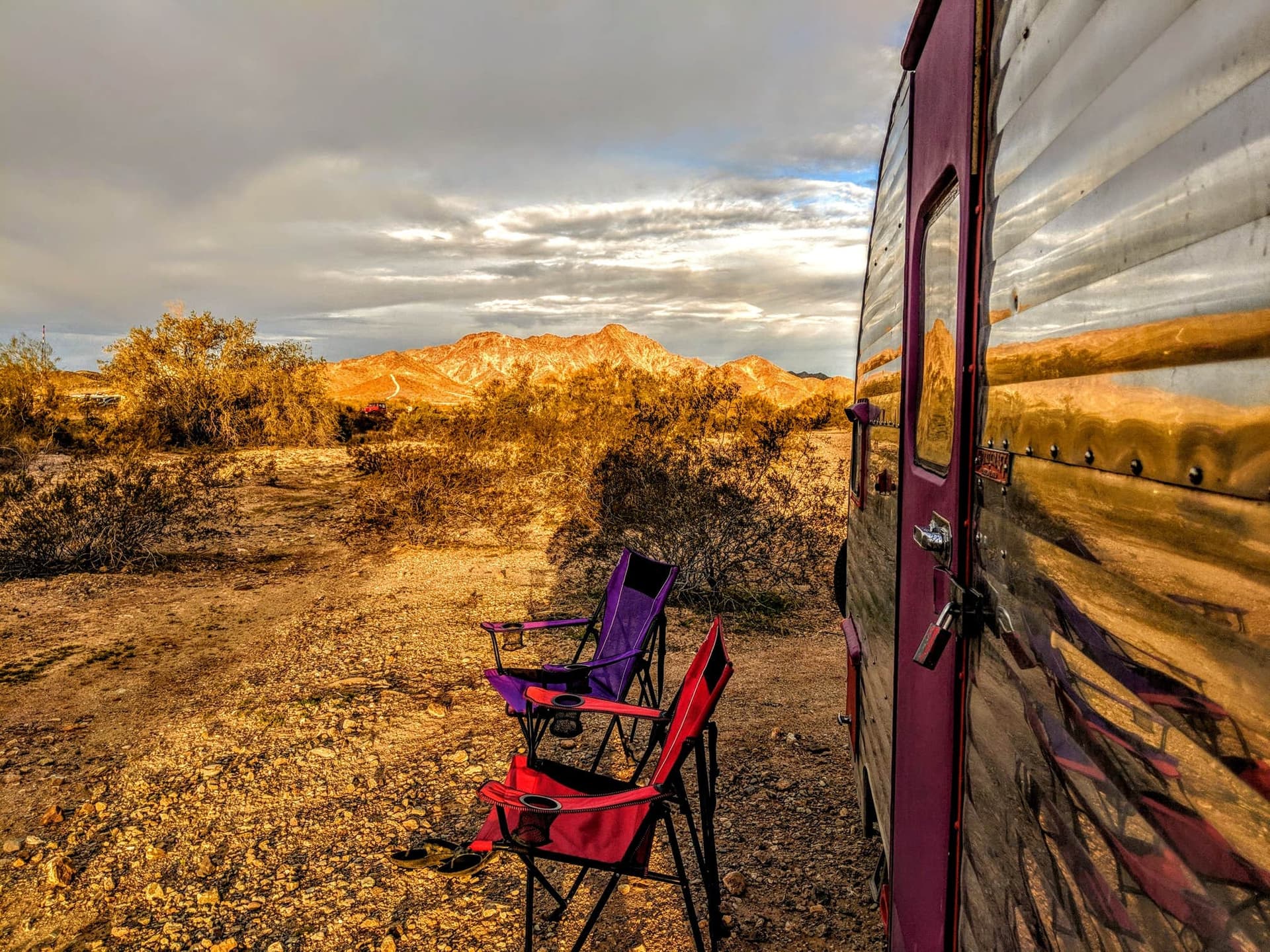
La Posa covers about 11,400 acres south of Quartzsite, on flat, sparsely vegetated desert land dotted with creosote, palo verde, ironwood, mesquite and cacti. The setting supports the kinds of activities winter visitors come for: hiking, wildlife viewing and rockhounding. La Posa is a managed stretch of public land designed for long stays, seasonal use and lighter pressure on the desert, not a traditional campground tucked into a town.
The broader LTVA system was built where winter visitors were already coming, and where access roads and nearby facilities already existed. Quartzsite became the center of this winter pattern, and La Posa is a major part of the infrastructure that made it possible.
How the permit system works
La Posa’s permit rules are simple enough for newcomers to understand quickly. A long-term permit allows continuous camping from September 15 through April 15, or for any length of time within that seven-month window. The current fee is $180. A short-visit permit costs $40, covers 14 consecutive days and can be renewed.
The long-term permit is valid across BLM-designated LTVAs in Arizona and California, not just at La Posa. That gives winter travelers flexibility if they move between seasonal camping areas during the winter. For people planning a full cold-season stay, the long-term permit is the better fit. For people testing the area or stopping for a shorter stretch, the 14-day permit offers a lower-cost option.

BLM kept LTVA fees stable for the 2025–2026 season after seeking public input on draft business plans meant to modernize management of Arizona recreation fee sites, including the Long-Term Visitor Areas near Quartzsite. The fee structure is part of an ongoing effort to balance affordability for winter visitors with the cost of maintaining the sites.
What the campground actually offers
La Posa has the kind of basic services that long-stay visitors need. BLM lists 10 ADA-accessible vault toilets, 8 water faucets, dump stations, trash service, a dance floor and a ramada. Those amenities support months-long camping in the desert.
The area is divided into four subareas: La Posa North, La Posa South, La Posa West and Tyson Wash. La Posa is a system of connected areas built for heavy seasonal use, not one single parking field.
La Posa offers a long stay, public-land setting and essential services, but it remains a desert basecamp with modest amenities. It suits people who are comfortable with a simpler camping setup and who value proximity to Quartzsite’s winter activity more than a private RV resort feel.
Why Quartzsite swells every winter
BLM says thousands of visitors come each year and may camp for as long as seven months. The influx changes the rhythm of the town, the roads and the businesses that depend on cold-weather traffic.

Quartzsite’s winter identity is tied to rockhounding, gem shows and long-stay RV culture. Visitors arrive for the climate, the open desert and the social life that builds around the camps. La Posa is one part of that larger seasonal economy, helping turn Quartzsite into a winter hub rather than a place people simply pass through.
That winter surge has clear local effects. More rigs on the road mean more traffic through town and around access routes. More people staying for weeks or months means more demand on grocery stores, fuel stops, dump stations and trash service. It also puts pressure on public resources, especially when visitors leave behind debris or settle into places that need cleanup after they move on.
The management burden behind the scene
La Posa’s popularity creates maintenance work that is easy to overlook from the outside. BLM’s Yuma Field Office said recreation fees funded cleanup of abandoned property, removal of abandoned vehicles and removal of unauthorized rock structures in the La Posa and Imperial Dam LTVAs. One spend plan noted more than 500 hours of labor and $25,000 spent removing abandoned property from LTVA and amenity sites.
It is a managed public space that requires trash pickup, property removal, road access and oversight to keep the seasonal use sustainable.
It gives winter visitors a legal, organized place to stay, and it gives the town a steady seasonal draw that supports local commerce. At the same time, it brings the traffic, wear and cleanup demands that come with a town built around a temporary population.
This article was produced by Prism’s automated news system from verified source data, official records, and press releases, then run through automated quality and moderation checks before publishing. The system is built and supervised by the people who set the standards it runs under. Read our full AI policy.
Did this article answer your question?