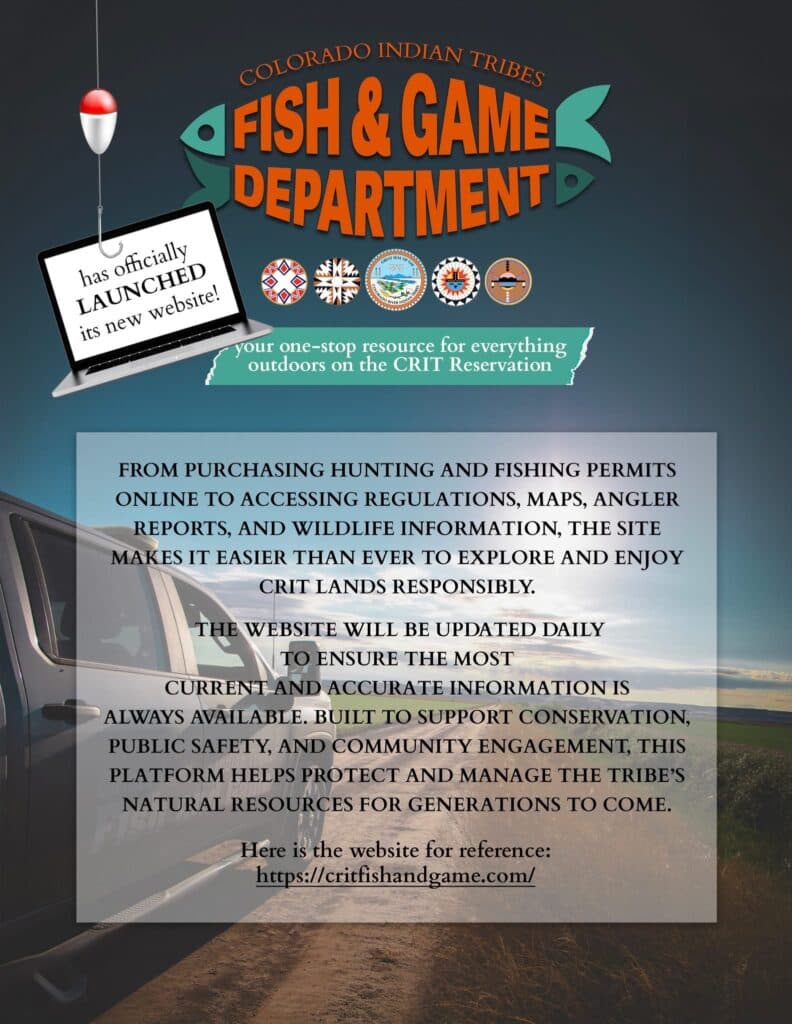
Parker 400 lane restrictions expected to slow traffic in Parker
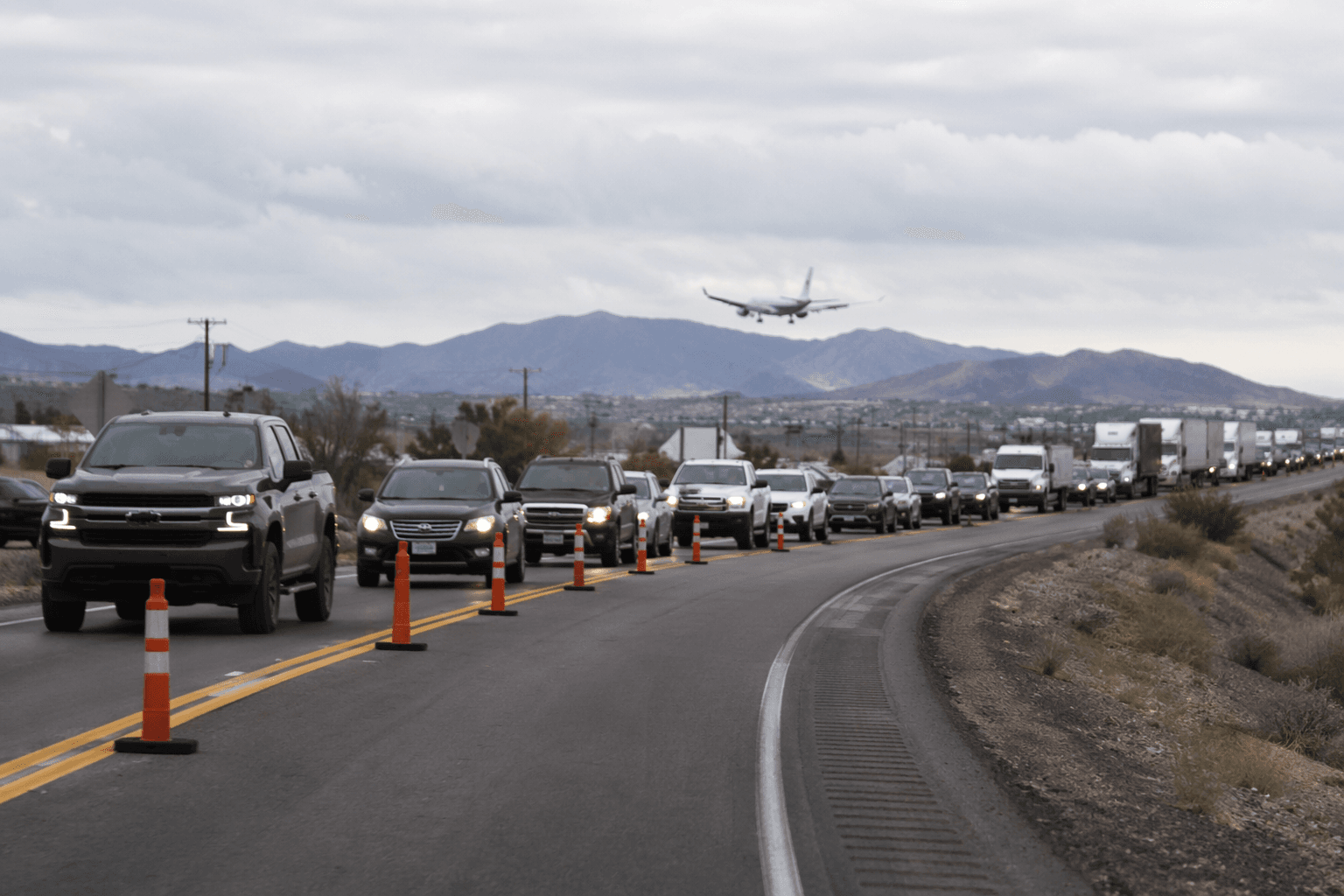
Lane restrictions tied to the Parker 400 were set to pinch traffic near Shea Road and Parker Airport, with BLM closures lasting through Jan. 18.
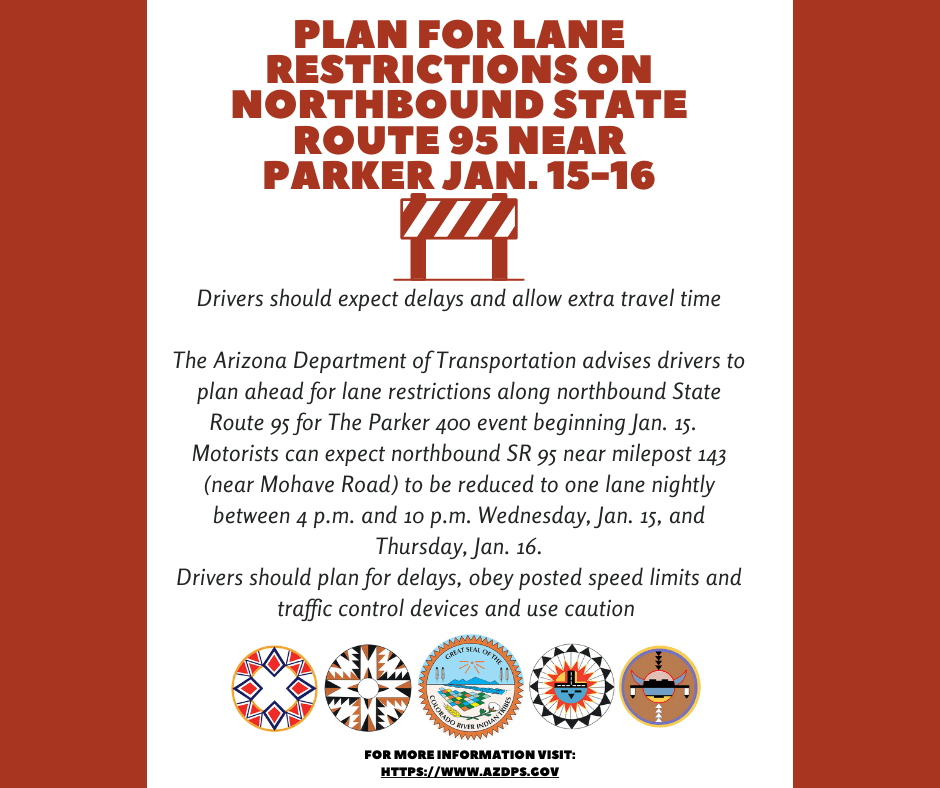
A May 23 Colorado River Indian Tribes notice on Parker 400 lane restrictions warned motorists that traffic in Parker would face temporary changes around the race corridor, especially near Shea Road and Parker Airport. For a town that runs on limited detour options, the practical effect was straightforward: slower travel, tighter access for deliveries and customers, and more pressure on emergency access if drivers did not plan ahead.
The Bureau of Land Management’s Lake Havasu Field Office had already announced temporary closure and restriction of selected public lands in La Paz County for the 2026 UNLTD Parker 400 race. Those restrictions were in effect from 11:59 p.m. Jan. 12, 2026, through 11:59 p.m. Jan. 18, 2026, with restricted and closed areas marked by signs, fencing or barriers. A local report said the affected BLM-managed lands ran between Shea Road and Parker Airport, where designated spectator viewing areas were set up.
Jason VanBuskirk said the extra days around the event were needed to clear campers, install signage and remove it afterward. That matters in Parker because race traffic does not stay confined to the course. It spills into the same roads used by residents heading to work, school pickups, river access and local businesses along the Parker corridor.
UNLTD’s 2026 schedule ran from Jan. 13 through Jan. 18, with open pre-running on Jan. 13-15, qualifying and festival activities on Jan. 14-15, and race weekend stretched across Jan. 15-18. UNLTD also moved the Off-Road Festival to Lake Havasu City for 2026, adding another layer of travel planning for teams, spectators and support crews moving through western Arizona.
The Parker 400 is not a small regional event. UNLTD says it draws more than 40,000 fans and more than 300 competing teams from around the world each January. CRIT’s own reporting on the 2025 race said more than 300 competing teams came to the reservation and the Parker area. That scale explains why even temporary lane restrictions can ripple through daily life in La Paz County.

Federal land managers have treated those controls as a safety issue. A Federal Register notice said Parker 400 closures and restrictions were intended to reduce the risk of collisions between spectators and racers. The race itself dates to 1971, when it began as the Dam 500, and Parker-area racing history goes back to 1911, when Joe Bush staged a race from Parker to Wenden. In Parker, that history now comes with traffic control that local drivers cannot afford to ignore.
This article was produced by Prism’s automated news system from verified source data, official records, and press releases, then run through automated quality and moderation checks before publishing. The system is built and supervised by the people who set the standards it runs under. Read our full AI policy.
Did this article answer your question?