Parker gathering honors Missing and Murdered Indigenous Women, calls for action
Parker families turned grief into a public demand for action, as CRIT marked MMIWP awareness with stories of missing daughters, fathers and sisters.
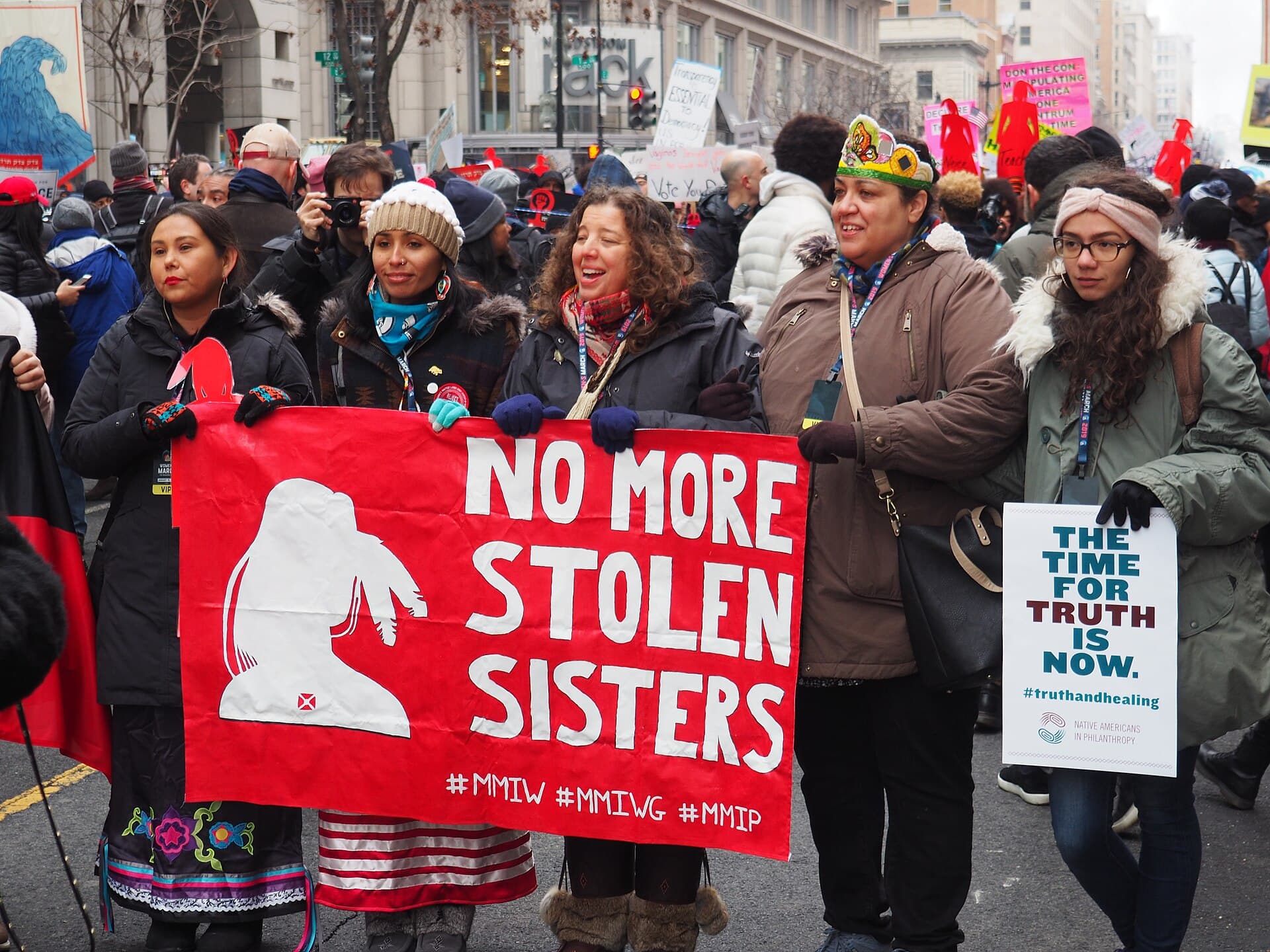
Parker’s Colorado River Indian Tribes community gathered May 5 to honor Missing and Murdered Indigenous Women and Relatives, and the message from families was blunt: remembrance is not enough without follow-up, data and accountability.
The event, organized by Councilman Tommy Drennan and Janice Patch, brought relatives, speakers and organizers together on the Colorado River Indian Tribes Reservation to name losses that too often stay buried. Young girls spoke about their father. Siblings remembered missing sisters. Mothers and grandparents were recalled as absences still shaping daily life in Parker and across La Paz County.
The gathering marked the National Day of Awareness for Missing and Murdered Indigenous Women and Relatives, a date observed across North America with vigils, marches and red clothing. For CRIT families, it was also a public push for institutions to treat disappearances and murders as active safety cases, not family tragedies that fade when attention moves on. The event highlighted the long-running gap between the scale of violence against Indigenous people and the attention those cases receive.
That gap is part of why advocacy groups have pressed for stronger coordination. The National Indigenous Women’s Resource Center says there is no reliable nationwide count of how many Native women go missing or are murdered each year, and it points to a key Urban Indian Health Institute finding that 95% of identified cases were not covered by mainstream media. In Arizona, advocates have tried to close that information gap with a searchable MMIP database and map through Arizona Luminaria, part of a broader effort to improve cross-jurisdictional data sharing and investigative coordination.
Federal agencies have also described MMIP as a public-safety priority. The U.S. Department of Justice says it has committed to addressing persistent violence against Native American families and communities, and the Bureau of Indian Affairs says Native American and Alaska Native rates of murder, rape and violent crime are higher than national averages. The Justice Department also created a Missing or Murdered Indigenous Persons Regional Outreach Program with five designated regions, including coverage that reaches Arizona.
The need for that machinery was plain in Parker, where the event functioned as both mourning and pressure. Families and organizers are asking law enforcement and elected leaders to keep cases visible, improve coordination across agencies and stop letting missing relatives disappear from public view as well as from their homes.
This article was produced by Prism’s automated news system from verified source data, official records, and press releases, then run through automated quality and moderation checks before publishing. The system is built and supervised by the people who set the standards it runs under. Read our full AI policy.
Did this article answer your question?