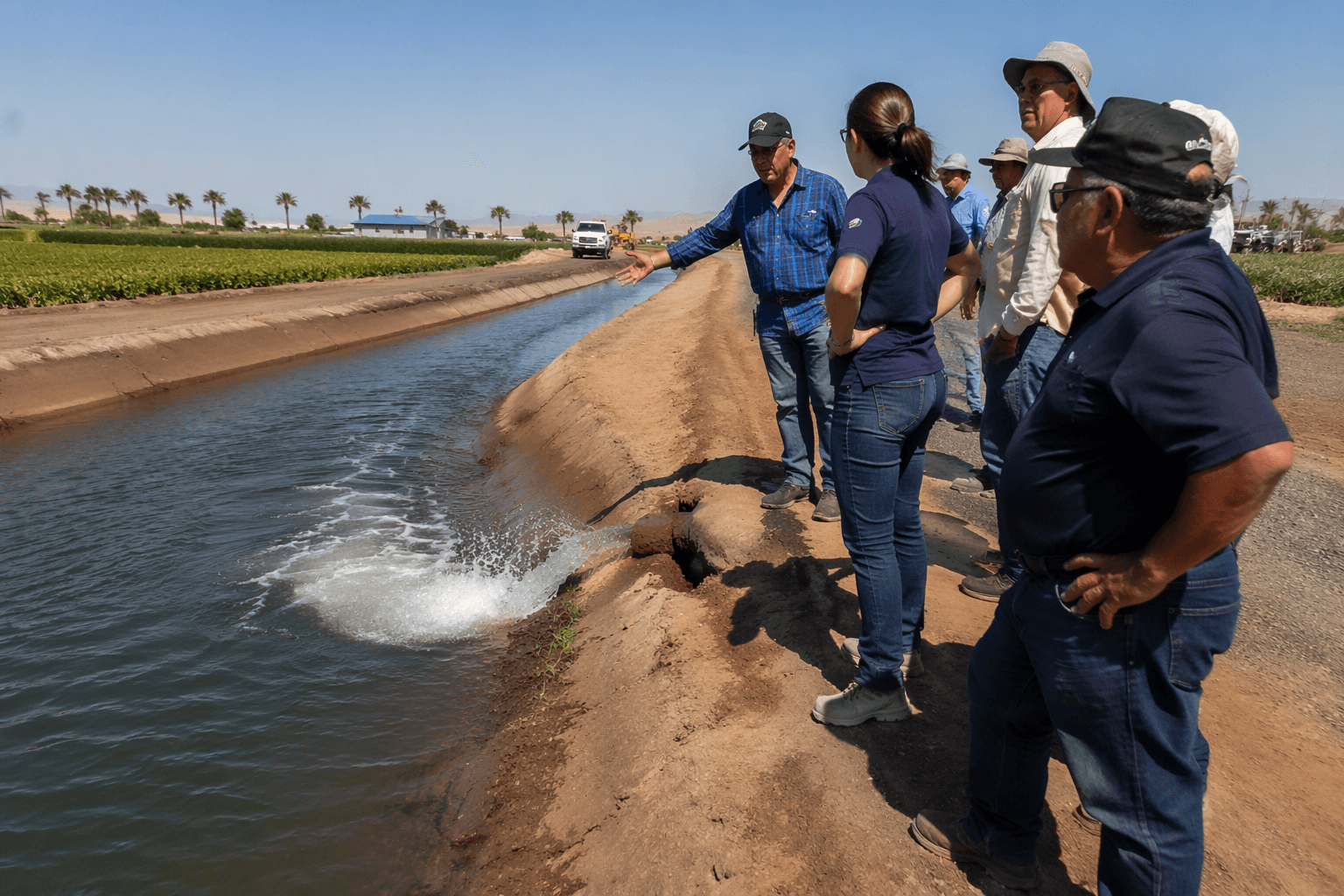
San Luis Rey Indian Water Authority visits CRIT council in Parker
A Parker meeting put CRIT's water leverage and leasing push in the same room as the nation's oldest Indian water authority. The stakes run straight into post-2026 Colorado River talks.
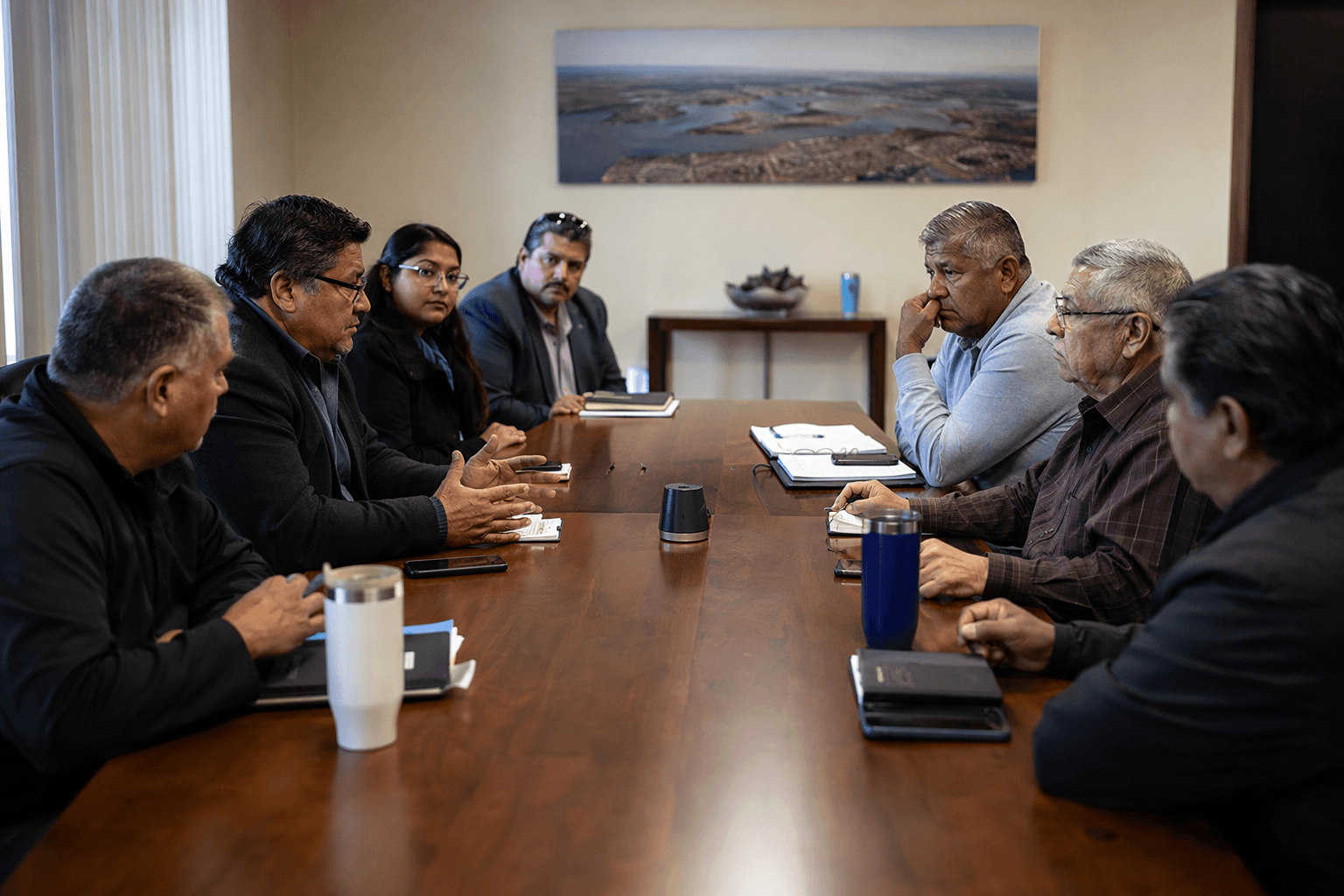
A meeting in Parker brought CRIT’s water future into sharper focus: stronger tribal alliances, firmer sovereignty arguments and more leverage as the Colorado River basin heads toward post-2026 negotiations. The San Luis Rey Indian Water Authority met with Colorado River Indian Tribes Chairwoman Amelia Flores and the Tribal Council on March 21 to discuss tribal sovereignty and tribal water rights, a conversation with direct implications for how much control CRIT keeps over its water.
The San Luis Rey delegation carried institutional weight of its own. The authority describes itself as the oldest Indian water authority in the United States, created by the La Jolla, Pala, Pauma, Rincon and San Pasqual bands and ratified in the San Luis Rey Indian Water Rights Settlement Act of 1988. That history matters in Parker because it connects two tribal water institutions that were built through settlement, litigation and decades of defending Native control over water resources, not through short-term advocacy.
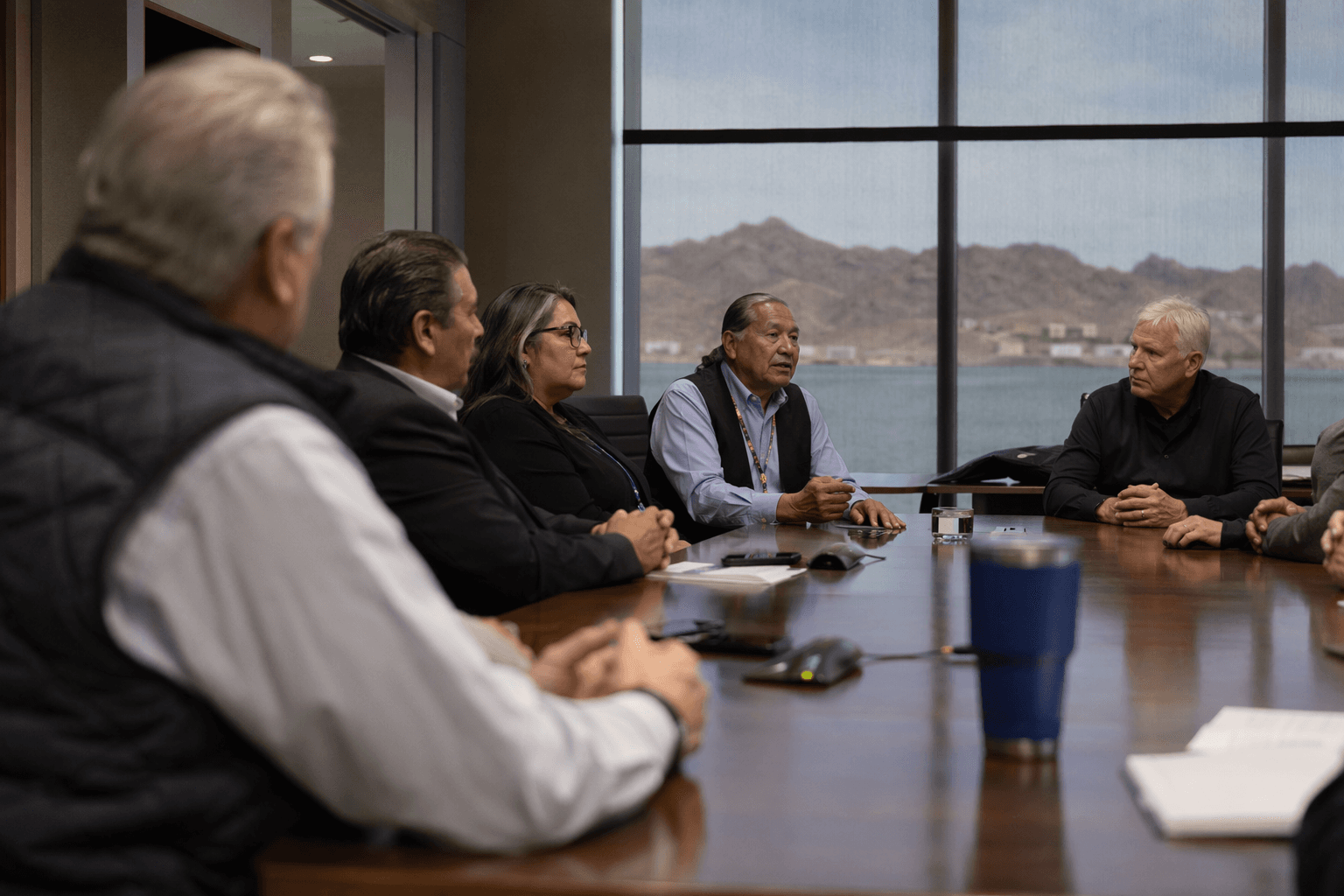
The visiting group included President Bo Mazzetti, board member Tuukut Sass, vice president Geneva Lofton, board member Reuben Rodriguez, board alternate Brandon Johnson, consultant La Vonne Peck, counsel Stephanie Zehren and chief executive officer Jerimy Billy. Billy has served as the authority’s chief executive officer since 2019, which gave the visit the feel of a working policy meeting rather than a ceremonial stop. In Colorado River politics, those relationships can shape how tribes coordinate positions before state and federal agencies.
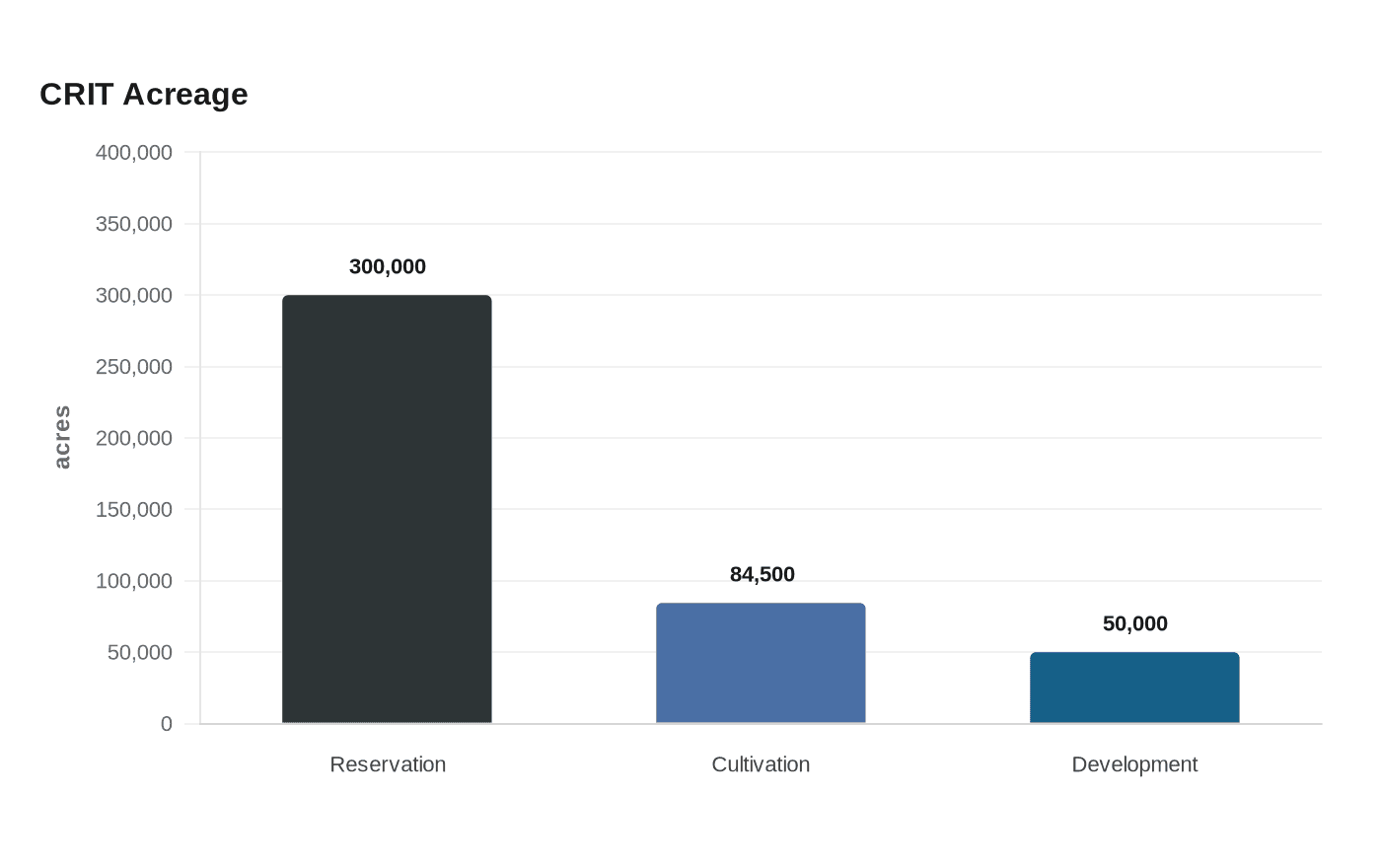
For CRIT, the immediate issue is not abstract. The tribe says its Tribal Council is proposing federal legislation that would allow CRIT to lease part of its federal water allocation, and it has publicly said it will not accept pro-rata cuts in the post-2026 Colorado River process. CRIT says it holds senior water rights to 717,000 acre-feet of Colorado River water, while a tribal source says the reservation covers about 300,000 acres, with roughly 84,500 acres under cultivation and another 50,000 acres available for development.
The Parker meeting also landed against the backdrop of a major shift already won by CRIT. On April 26, 2024, the tribe, the U.S. Department of the Interior and Arizona signed a historic water-rights agreement near the BlueWater Resort and Casino that gave CRIT, for the first time, the ability to lease, exchange or store part of its Colorado River entitlement off-reservation. That agreement, along with the tribe’s push for new federal legislation, makes CRIT a central player in the next round of Colorado River decisions. The March 21 visit showed that Parker remains one of the places where those alliances are being built.
This article was produced by Prism’s automated news system from verified source data, official records, and press releases, then run through automated quality and moderation checks before publishing. The system is built and supervised by the people who set the standards it runs under. Read our full AI policy.
Did this article answer your question?