State water rules could reshape La Paz County farming and wells
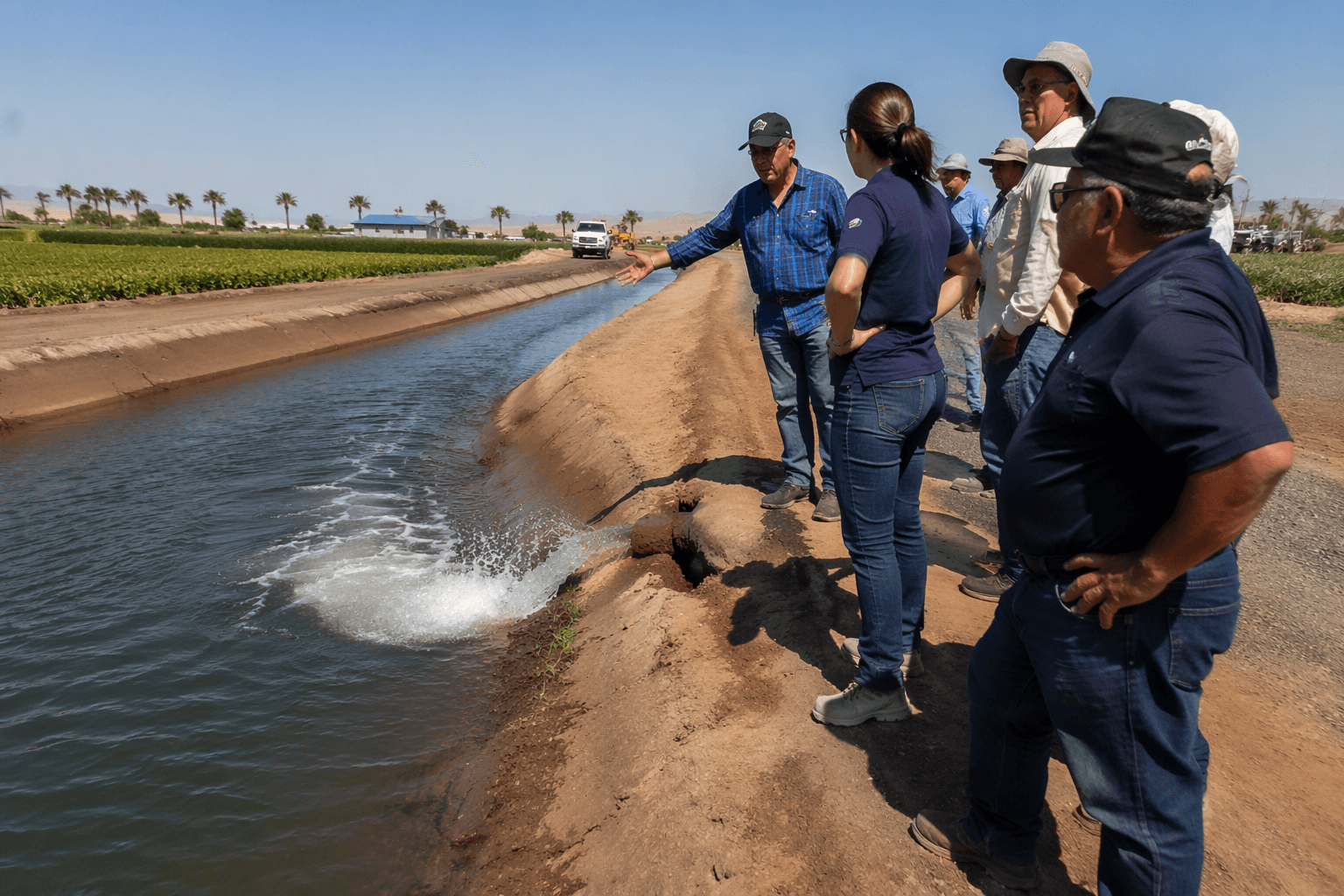
Recent investigative reporting documented steep, long-term declines in the Ranegras Plain aquifer and raised the prospect that the Arizona Department of Water Resources will impose new regulatory limits in parts of La Paz County. The proposal would target large groundwater users and high-capacity wells near communities such as Bouse and Vicksburg, with potential protections for household wells but significant implications for local agriculture.
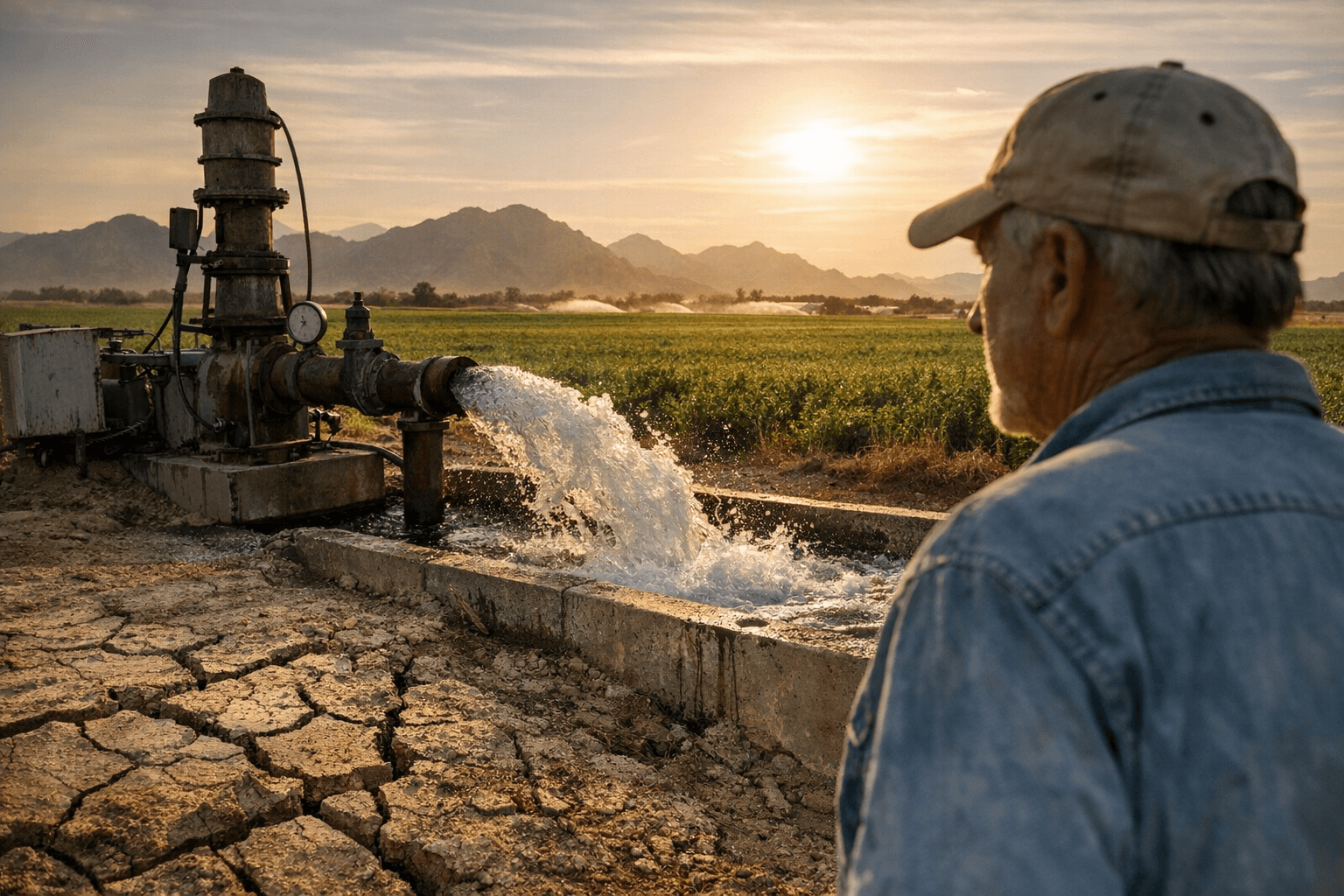
Late-December reporting detailed accelerating groundwater declines across the Ranegras Plain groundwater basin, an area that underpins water supplies for La Paz County communities including Bouse and Vicksburg. Individual monitoring records cited in the reporting show some wells have fallen more than 100 to 240 feet since the 1980s. In some places land subsidence has been observed and household wells have gone dry, prompting heightened concern among residents who depend on shallow groundwater for domestic use and small-scale irrigation.
The Arizona Department of Water Resources has proposed creating an active management area or applying other regulatory restrictions within parts of the basin. Under the measures being considered, large groundwater users and high-capacity wells would face new measurement, reporting and permitting requirements, and could be subject to pumping constraints. Those changes would be designed to slow aquifer decline and provide stronger protections for domestic wells, but they also would alter operating conditions for larger irrigators and commercial farms.
Large-scale hay operations near Vicksburg, operated by companies identified in public records as Fondomonte and Almarai, are among the biggest groundwater users in the area. Those operations grow water-intensive crops such as alfalfa, and their scale has been cited repeatedly in the context of concerns over regional water budgets. State actions in recent years have included lease terminations, attorney general involvement and litigation tied to groundwater impacts, underscoring the regulatory and legal complexity surrounding large agricultural use of groundwater in La Paz County.
Local officials and residents have expressed a mix of priorities: many homeowners and small communities seek stronger protections as wells fail or show precipitous decline, while agricultural employers and related businesses warn that tighter controls could disrupt the local farm economy and employment. The proposed ADWR measures seek to balance those competing needs by targeting the largest users for accountability and measurement while preserving domestic well protections where possible.
ADWR had set a timeline for a Director’s decision targeted for mid-January 2026; residents and stakeholders should monitor agency announcements and upcoming local meetings for formal rulemaking steps and opportunities for public comment. For La Paz County, the outcome will influence the long-term viability of groundwater-dependent households and the structure of commercial agriculture that has relied on deep pumping as surface water and river diversions have become less available.
This article was produced by Prism’s automated news system from verified source data, official records, and press releases, then run through automated quality and moderation checks before publishing. The system is built and supervised by the people who set the standards it runs under. Read our full AI policy.
Did this article answer your question?