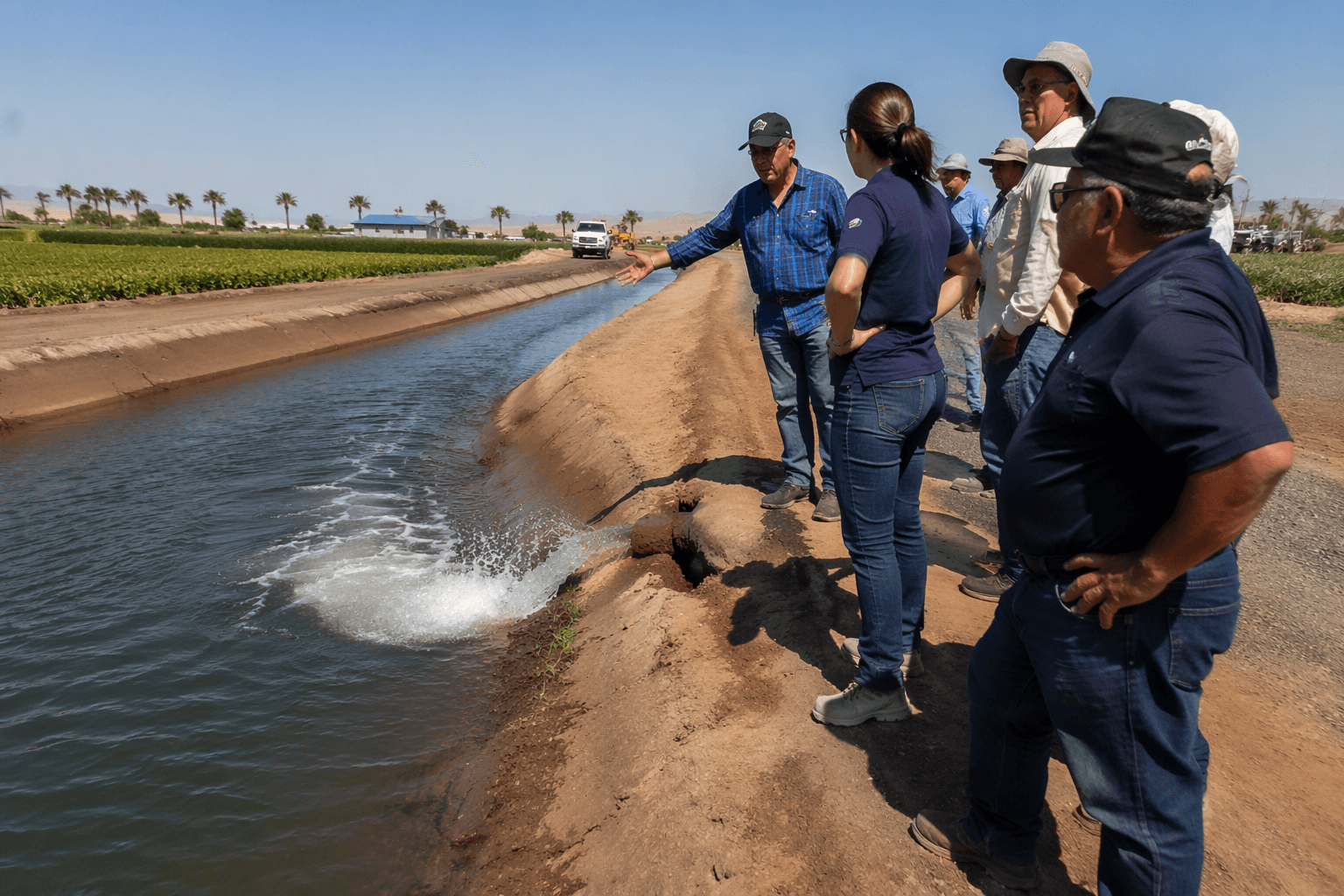
Tribal Leaders Demand Voice in Colorado River Drought Planning Decisions
Tribal nations, shut out of historic water law, demanded a formal role in Colorado River drought planning as a federal deadline looms in October.
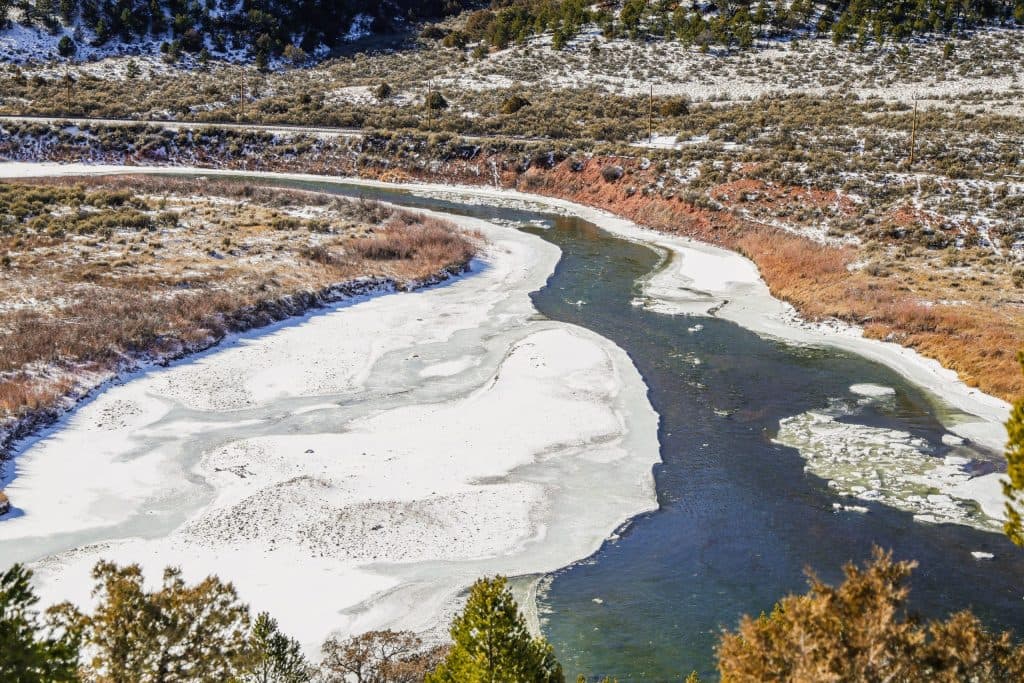
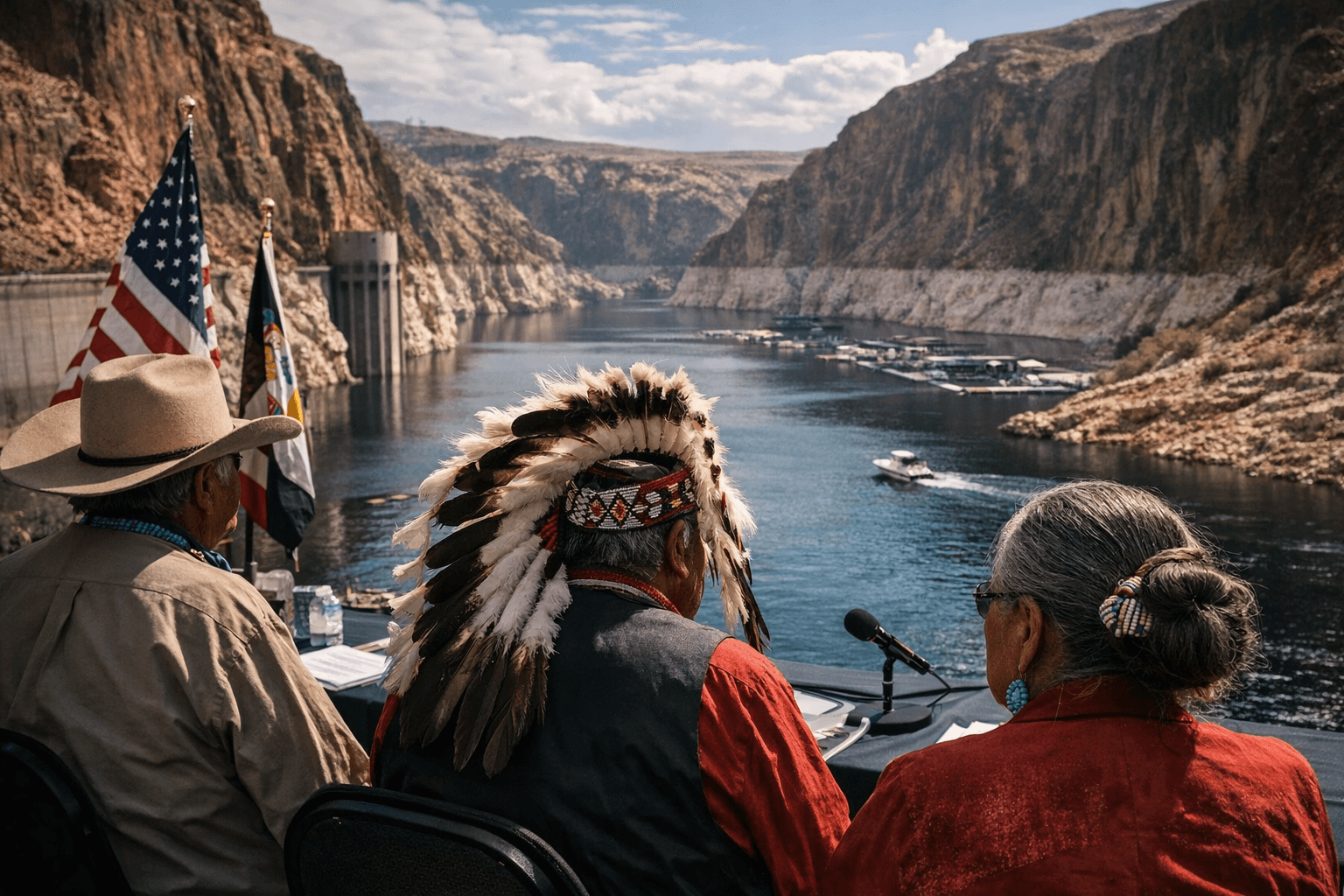
The Colorado River Indian Tribes pressed federal and state officials Saturday for a guaranteed seat in negotiations over the river's future, arguing that Indigenous nations were excluded when the foundational laws governing water use and allocation were written and have remained on the margins of major decisions ever since.
"When these laws were made about the river and the water uses and allocation, we weren't part of that," a tribal leader said in an Indian Country Today video posted in February. "So we continue to tell them: correct that, and correct that with these guidelines that are coming out for the future."
The push comes at a critical moment. The seven Colorado River basin states missed an original November 2025 deadline to reach a water-sharing agreement, prompting Interior Secretary Doug Bergam to set a new target. The states again failed to meet that mark by February 14, even after governors from six of the seven basin states traveled to Washington, D.C., to try to break the impasse. If no agreement is reached before the current interim operating guidelines expire in October, the Bureau of Reclamation will impose one of its own alternative plans.
Those current guidelines govern how and when water deliveries are made to California, Arizona, and Nevada, with shortage rules triggered by reservoir levels at Lake Mead. New operating guidelines covering both Lake Mead and Lake Powell are now being developed by the Bureau of Reclamation in consultation with states, tribes, and other stakeholders.
A draft environmental impact statement released in January lays out five main alternatives for the river's future management. The Colorado River Indian Tribes, whose lands along the river stretch through La Paz County, are currently reviewing those proposed alternatives, according to the tribe's lead water attorney.
Tribal leaders argued that the new guidelines represent a rare and time-sensitive opportunity to correct historical inequities. Their core demand: that new operating rules better reflect tribal water rights and needs, rather than encoding the same exclusions that characterized earlier agreements. USA Today covered the testimony and advocacy on Saturday, amplifying the issue on a national stage as federal negotiators work against the October deadline.
This article was produced by Prism’s automated news system from verified source data, official records, and press releases, then run through automated quality and moderation checks before publishing. The system is built and supervised by the people who set the standards it runs under. Read our full AI policy.
Did this article answer your question?