Two power outages prompt cooling stations on CRIT reservation
Two outages in four days left Parker and the CRIT reservation scrambling for cooling stations, as crews restored power to about 1,100 combined customers.
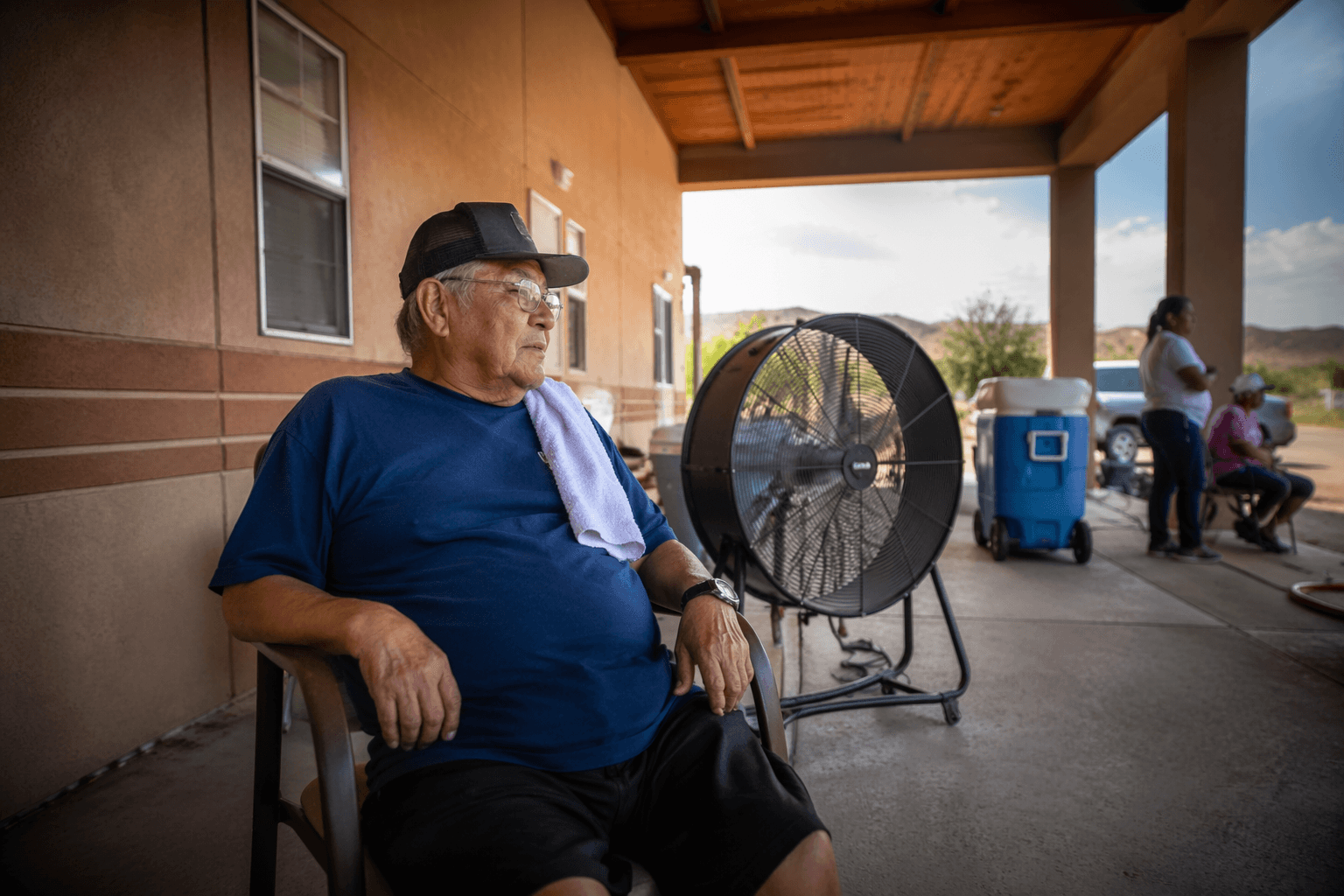
Two power failures in four days forced Colorado River Indian Tribes to turn a utility problem into a public-safety response, with cooling stations opened for residents trying to get through early-summer heat on the reservation and in Parker. The back-to-back outages showed how quickly a disruption on the same electrical network can affect homes, businesses, medical needs and emergency response across tribal and town boundaries.
The first outage hit June 7, when a Bureau of Indian Affairs electrical problem affected about 100 customers. Power was restored by midafternoon, but CRIT still had to activate cooling stations for people who needed relief from the heat. The second outage was larger and more disruptive. It struck just after midnight on June 10 and affected about 1,000 Arizona Public Service customers on the Colorado River Indian Tribes reservation and in the Town of Parker. Service was not fully restored until about 1 p.m.
The June 12 report in CRIT Manataba Messenger framed the outages as a matter of health and safety, not just convenience. That approach fit the conditions on the reservation, where high temperatures can quickly become dangerous for older residents, people with medical concerns and families without reliable backup cooling. In that setting, a power loss can interrupt air conditioning, refrigeration, phone charging and the daily routines that help people stay safe.
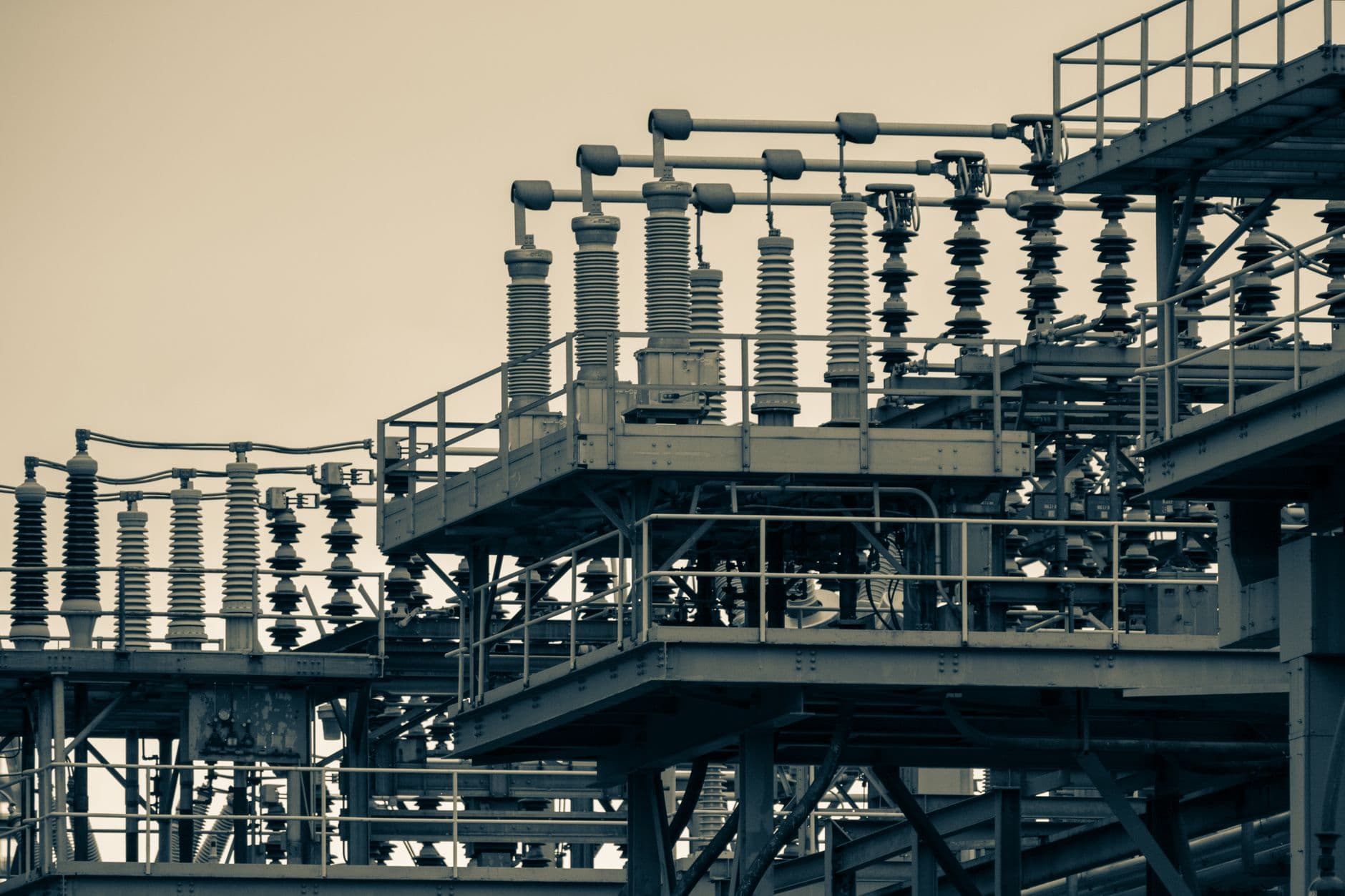
CRIT’s response also reflected the scale and complexity of the reservation itself. The tribe describes the Colorado River Indian Reservation as roughly 50 miles long and 20 miles wide at its widest point, with jurisdiction extending into California. Its government includes more than three dozen departments, a structure that gives tribal leaders the ability to mount a coordinated response when basic services fail. CRIT also says its Bureau of Indian Affairs electrical services are meant to provide reliable power for residential, commercial and irrigation use, underscoring how much of reservation life depends on the same system.

APS says it maintains a real-time outage map and works quickly and safely to restore power, but the June 10 outage still required nearly 13 hours to bring service back. For Parker and the CRIT reservation, the message was clear: when the power goes out, the response has to move fast enough to protect people before the heat does.
This article was produced by Prism’s automated news system from verified source data, official records, and press releases, then run through automated quality and moderation checks before publishing. The system is built and supervised by the people who set the standards it runs under. Read our full AI policy.
Did this article answer your question?