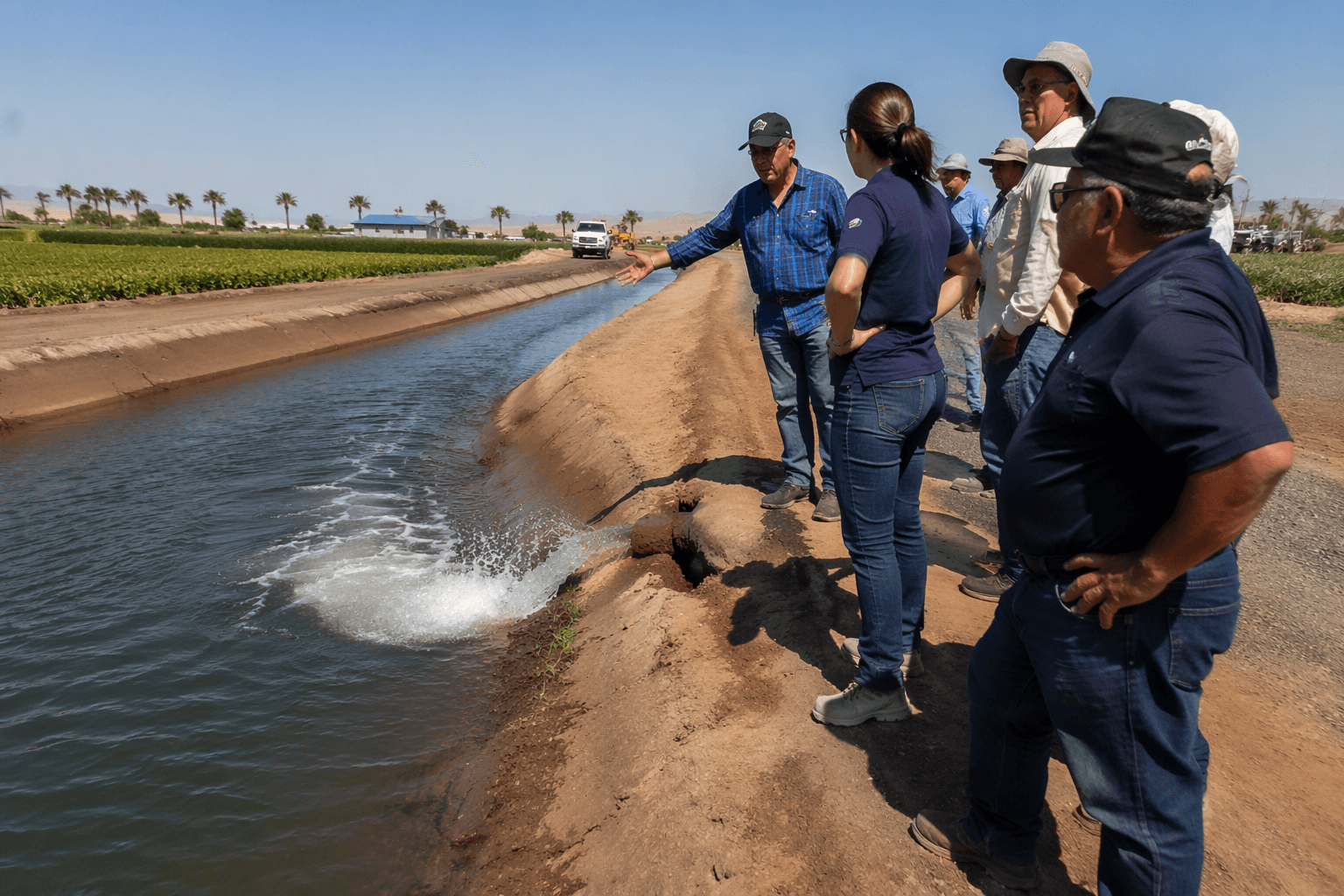
Weak Snowpack Threatens Colorado River Flows, Complicating Lake Powell Negotiations
A warm, dry winter left Colorado River headwaters with historically poor snowpack, threatening Lake Powell inflows and straining interstate water negotiations.
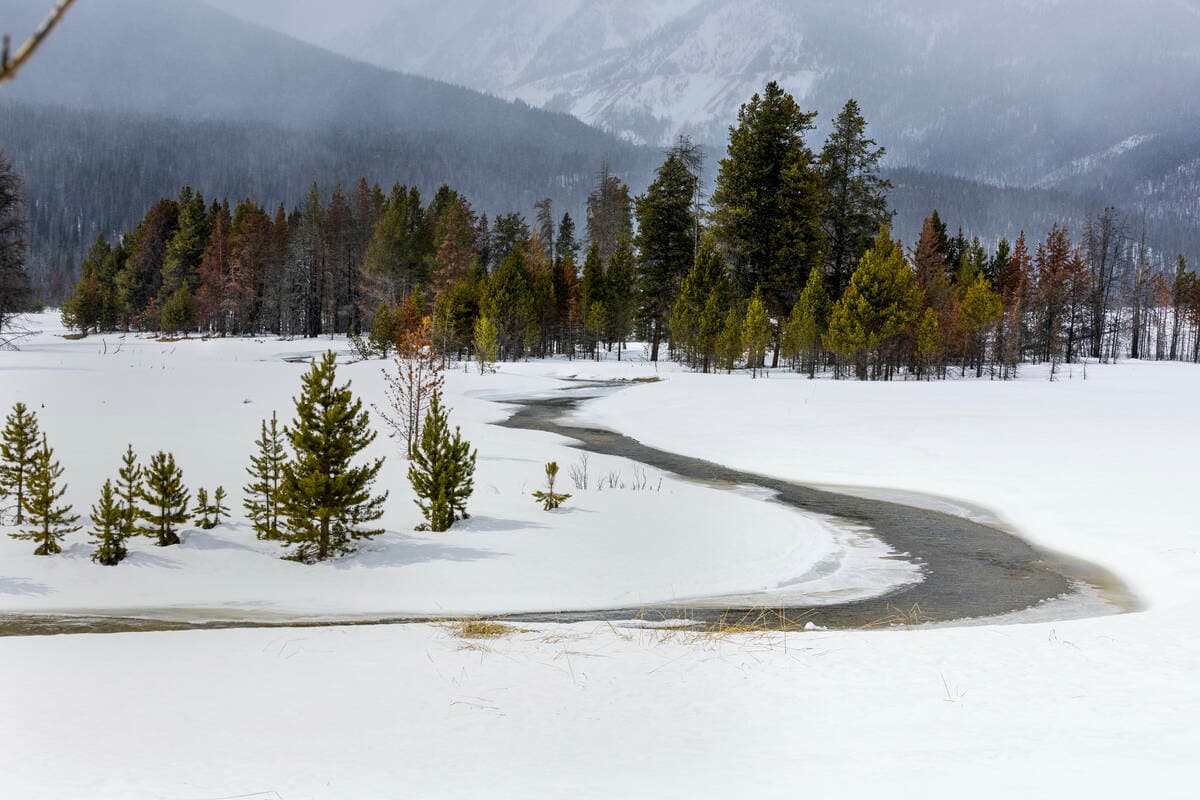
A warm, dry winter has produced one of the worst snowpack seasons on record across the Colorado River headwaters and much of the intermountain West, sending projected inflows to Lake Powell sharply downward and injecting new uncertainty into already fragile interstate water negotiations.
The snowpack shortfall, reported March 7, carries direct consequences for La Paz County, which sits along the lower Colorado River corridor and depends on releases from Lake Powell and Lake Mead to sustain municipal supplies, agricultural operations, and the river-dependent communities stretching from Parker to Ehrenberg. When upstream reservoir inflows shrink, the downstream arithmetic gets harder for every water district and irrigation authority in the region.
Lake Powell, the massive Glen Canyon reservoir that serves as the primary storage buffer for the Upper Colorado River Basin, has been the focal point of multi-state negotiations over how to manage shortages as the river system adjusts to a hotter, drier baseline. The new snowpack data arrives at a particularly difficult moment in those talks. States in the Upper and Lower basins have been working under federal pressure to finalize post-2026 operating guidelines for the river, and projections of reduced natural flow give negotiators less water to work with and fewer options for protecting reservoir elevations.
Poor snowpack in headwater regions such as the Rockies translates with a months-long delay into reduced reservoir storage. By late spring and early summer, when snowmelt typically replenishes Powell, water managers will have a clearer picture of how severe the deficit has become. What is already evident, as of early March, is that this winter will not provide the kind of recovery the system needed after several consecutive dry years.

For a county where outdoor recreation on the Colorado River is an economic pillar and where cities like Parker rely on Bureau of Reclamation allocations, the trajectory of Lake Powell's elevation is not an abstraction. Lower reservoir levels affect everything from boat launch accessibility along the Parker Strip to the reliability of water delivery infrastructure tied to Colorado River contracts.
The convergence of a poor snowpack year with unresolved long-term operating rules puts added pressure on federal water managers and state negotiators to reach durable agreements before the summer draw-down season makes the stakes impossible to ignore.
This article was produced by Prism’s automated news system from verified source data, official records, and press releases, then run through automated quality and moderation checks before publishing. The system is built and supervised by the people who set the standards it runs under. Read our full AI policy.
Did this article answer your question?