Lafayette County residents warned about bank-impersonation phone scam
Lafayette County residents were warned that fake bank calls are asking for account details and verification codes. The sheriff’s department said it will never request money or text for personal information.
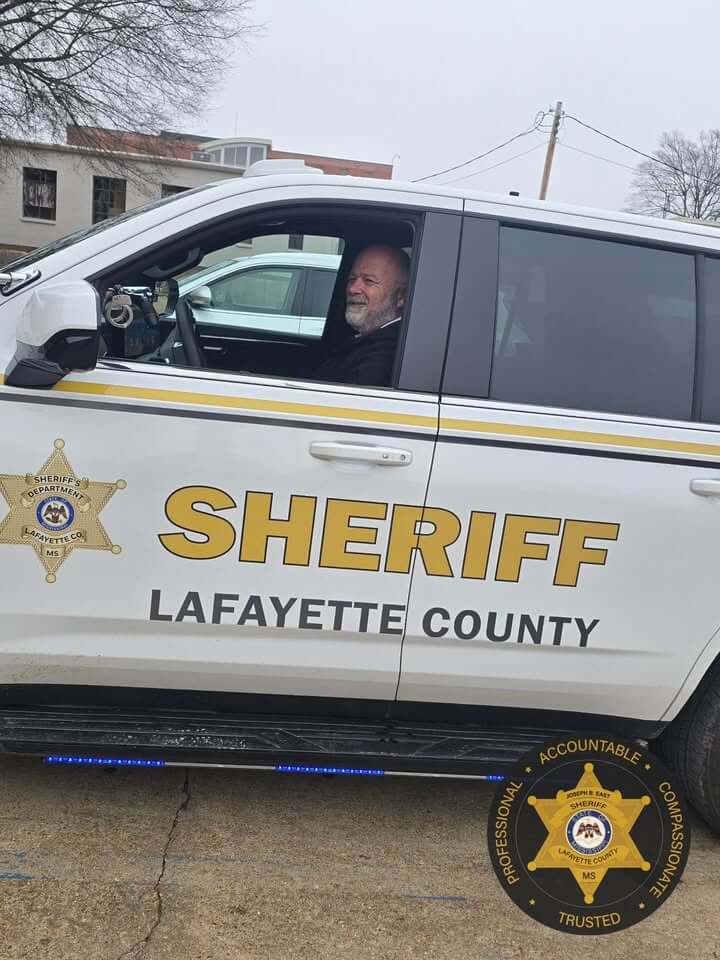
A bank-impersonation phone scam is pressing Lafayette County residents for account information, and the sheriff’s department says one simple rule can help stop it: never give personal banking details to an unexpected caller.
The scam usually starts with a caller claiming to work with a bank and sounding official enough to catch people off guard. The pitch is designed to create urgency, often by saying there is fraud on the account or that money needs to be moved to “protect it.” The Federal Trade Commission says that is always a scam if the caller tells you to move your money or asks for a verification code. The FTC’s advice is straightforward: hang up and call your real bank using the number on your statement, not the number the caller gives you.
The warning matters in Lafayette County because routine banking and bill-paying happen every day in Oxford, Abbeville, Taylor and Harmontown, and scammers depend on quick conversations that do not leave time to think. The Lafayette County Sheriff’s Department said it will not ask for money or text residents asking for personal information, and it told people to report suspicious activity directly to 662-234-6421.
Federal consumer-protection and law-enforcement agencies say the scam is part of a broader pattern. The Federal Deposit Insurance Corporation said bank impersonation scams were the most reported scam occurring through text messages in 2022, up nearly twentyfold from 2019. The FDIC also said a typical consumer who fell for a bank impersonation scam lost $3,000, with identity-theft risk added on top of the direct loss. FTC data cited by the FDIC showed consumers reported losing $12.5 billion to fraud in 2024.
The FBI has also warned that it will never call or email private citizens to request money by wire transfer, cryptocurrency, gift cards or prepaid cards. That makes any unexpected call pushing a fast payment, a transfer, or a code especially suspect, even if the caller uses a bank’s name or sounds polished.
Mississippi’s Department of Banking and Consumer Finance, which regulates and supervises state-chartered banks, thrifts, credit unions and other licensed financial firms, has also posted consumer warnings about scammers falsely claiming to request payments from the department. For Lafayette County residents, the message is the same across every agency: verify the number yourself, never hand over a code, and treat any surprise request for banking information as a fraud attempt until it is proven otherwise.
This article was produced by Prism’s automated news system from verified source data, official records, and press releases, then run through automated quality and moderation checks before publishing. The system is built and supervised by the people who set the standards it runs under. Read our full AI policy.
Did this article answer your question?