Lafayette County weighs rezoning industrial park to limit heavy industry
Approving the downzoning would not stop the Magnolia Materials asphalt plant, but it would make future heavy industrial projects harder to place in the industrial park.
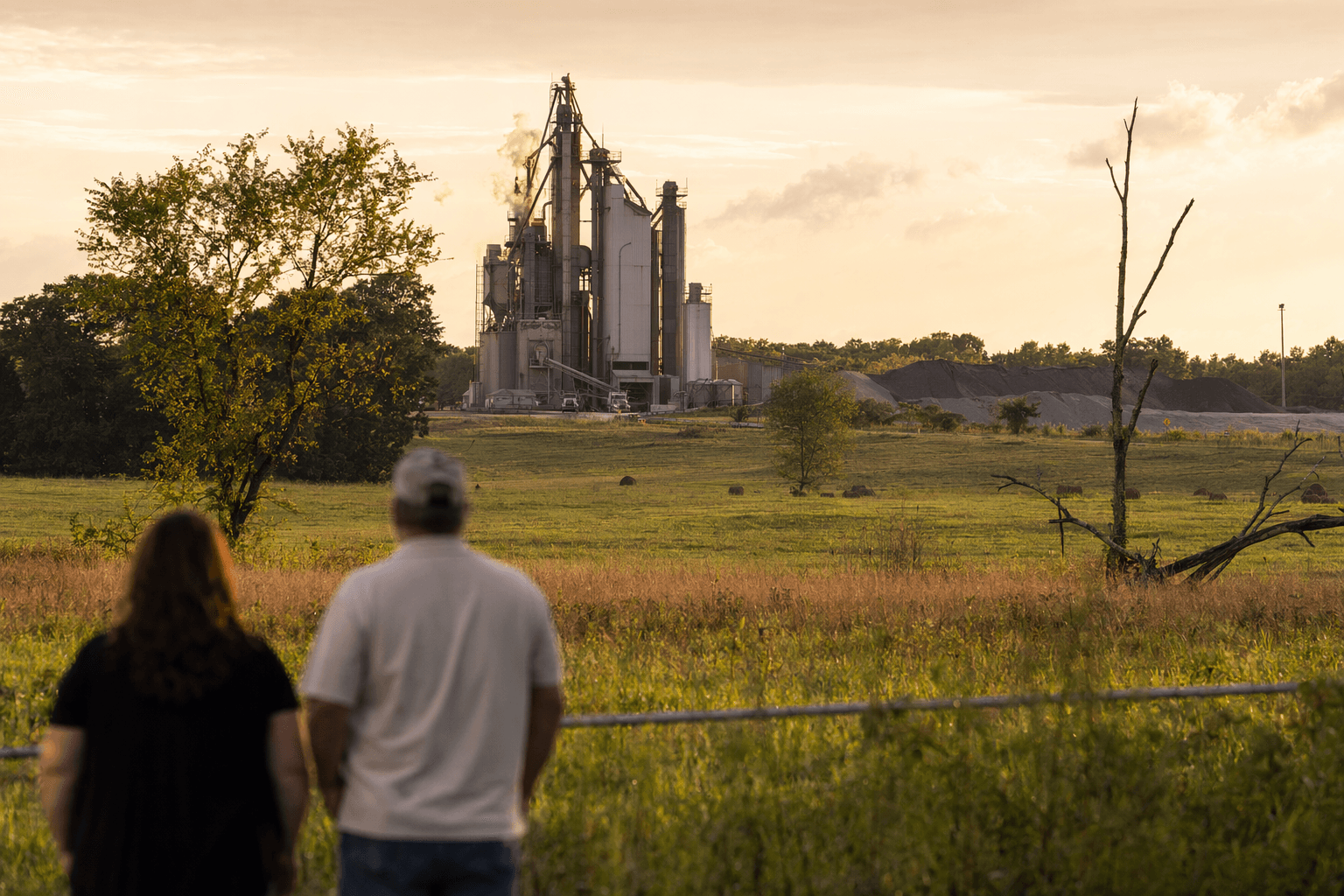
If Lafayette County supervisors approve the rezoning, the Max D. Hipp Industrial Park would still keep the already permitted Magnolia Materials asphalt plant, but future heavy industrial users would have to clear a higher hurdle before building there. The proposal would shift undeveloped portions of the park from I-2 heavy industrial to I-1 light industrial, changing what kinds of employers can move in and how much truck traffic, noise and regulatory review the site can draw.
That distinction matters because Lafayette County’s zoning ordinance treats I-1 and I-2 differently, and the county’s five-member Board of Supervisors is the body that adopts zoning-related ordinances and resolutions. The Lafayette County Planning Commission, which meets the fourth Monday of each month, voted March 23 to deny the request before it moves to supervisors for a final decision.
The push for downzoning came from Ronnie McGinness, who said the ground along County Road 166 no longer looks like the industrial edge it did when earlier plans were drawn. He said more than 6,000 people now live within two miles of the site and pointed to a petition with more than 560 signatures backing the change. Residents who supported the request argued that as subdivisions and schools have moved closer, the county should stop future heavy industry from being a mismatch for a growing residential corridor.
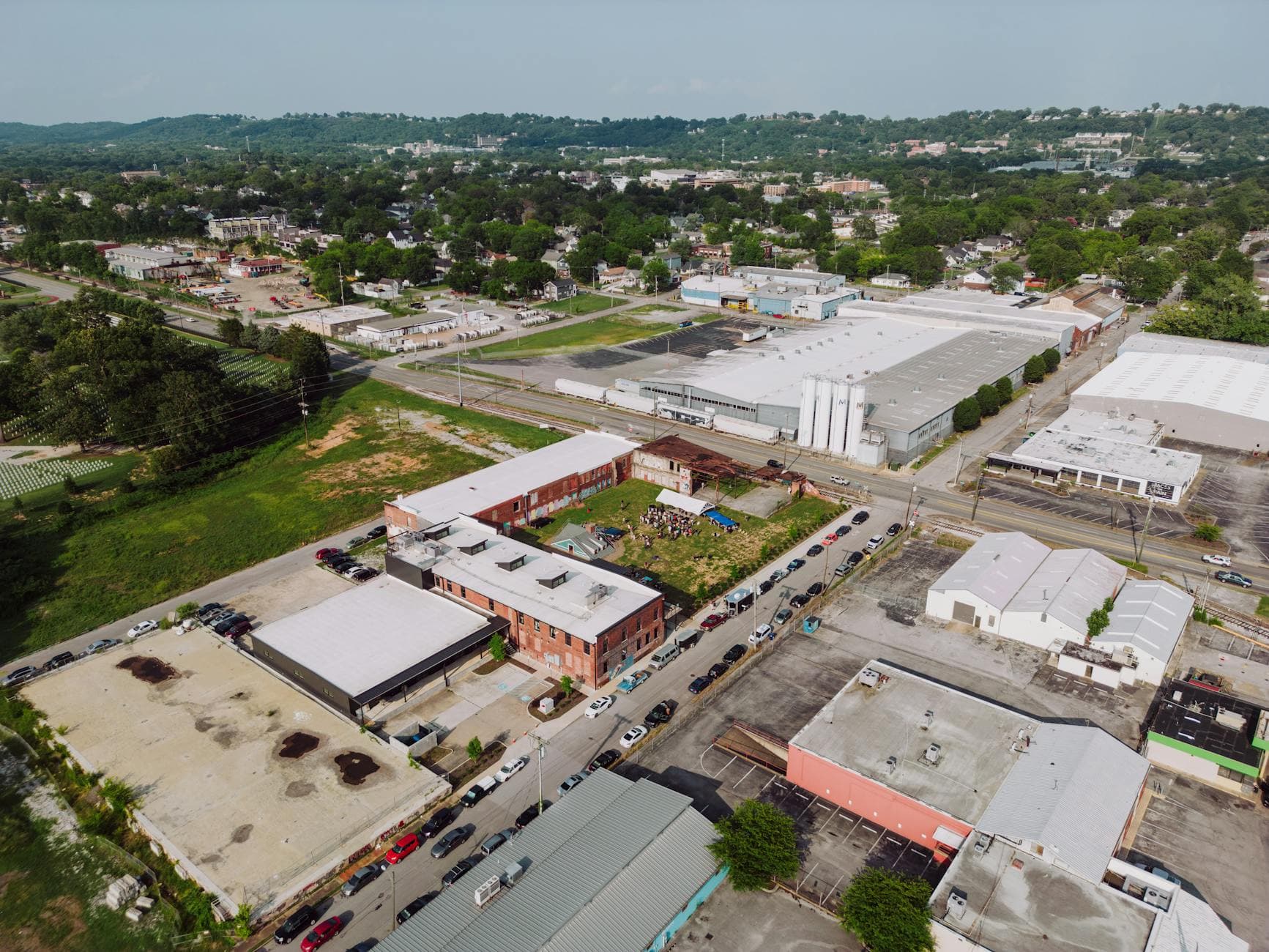
County Attorney David O’Donnell has said the map change would not wipe away existing businesses or approvals already in place. That includes the proposed asphalt plant tied to Magnolia Materials, owned by JWM Development. The county also approved a lease arrangement giving Magnolia Materials use of a 22-acre parcel in the industrial park for 35 years, and the property is to be used only for an asphalt plant. Even so, the project still needs state environmental approval before construction can begin.
Business leaders have warned that a downzoning could carry its own economic cost. Ryan Miller of Oxford-Lafayette Inc. said changing the classification could make the industrial park less flexible and less attractive to future employers. That concern comes as the county has been investing in the site. Supervisors approved site-preparation work in November on a 6.25-acre tract to create pad-ready lots, and local leaders said in May 2025 that the park was receiving $3.2 million in state site development funding and a $250,000 TVA grant.
The debate now is not whether Lafayette County wants development at the industrial park. It is whether the county wants heavier industry to remain a real option there, or whether future growth should tilt toward lighter employers that fit better beside the homes already closing in on the site.
This article was produced by Prism’s automated news system from verified source data, official records, and press releases, then run through automated quality and moderation checks before publishing. The system is built and supervised by the people who set the standards it runs under. Read our full AI policy.
Did this article answer your question?