Midsummer heat shapes daily life across Lafayette County
Lafayette County’s summer heat is more than a weather note. It changes work, travel, sports and cooling costs while putting outdoor workers and older residents at higher risk.
With 58,327 people spread across 631.7 square miles, Lafayette County has both a compact county seat and long rural stretches that make midsummer routines harder to manage. The heat settles in differently across the county, but the pressure reaches the same places: job sites, school fields, errands around Oxford, and the homes of residents trying to keep cool.
Oxford’s density, 992.3 people per square mile across an estimated 26,411 residents, adds another layer. In town, more people are concentrated around the Square, campus and daily errands; farther out, residents in Taylor, Abbeville and Harmontown have longer drives, fewer quick breaks from the sun and more reliance on vehicles and air conditioning.

Why July hits so hard
July is the hottest month in Oxford, with average highs around 89 degrees. In Mississippi, temperatures have risen only 0.1 degrees Fahrenheit since the beginning of the 20th century, according to NOAA National Centers for Environmental Information, but recent years have been very warm, with 2016 through 2020 the state’s warmest consecutive five-year stretch.
The Mississippi Emergency Management Agency defines a heat wave as abnormally hot and humid weather lasting more than two days. The agency says extreme heat causes the highest number of annual deaths among all weather-related hazards.
Who pays the price first
People working outside often feel the strain first. The Mississippi State Department of Health warns that high summer temperatures bring the risk of heat exhaustion and heat stroke, especially for people who are out of doors, working or exercising in the heat. That includes construction crews, landscapers, grounds workers, delivery drivers and anyone whose job does not stop when the heat index climbs.
The cost also shows up in the way businesses run. Outdoor work slows when crews need more breaks, earlier starts or shorter shifts, and the added use of air conditioning moves more of the burden onto utility customers. For small businesses that depend on steady foot traffic, high heat can also thin out lunchtime crowds, cut into afternoon errands and make it harder for people to linger outdoors.
The biggest health risks are predictable
The Mississippi State Department of Health warns that extreme heat can quickly become dangerous, especially for young children, older adults and people spending extended time outdoors. The same sun that makes a short trip feel exhausting can become dangerous when someone is waiting at a ball field, pushing through yard work or sitting in a hot car.
The Centers for Disease Control and Prevention advises limiting outdoor activity to the coolest times of day, such as morning and evening, and resting often in shady areas. Emergency managers use National Weather Service guidance that follows the same basic rule: drink water, take breaks and pay attention to the heat index, not just the temperature on the screen.
Youth sports and summer schedules add another layer
The first outdoor practices of the school year often arrive during some of the hottest days of the calendar year. That is a familiar problem in Lafayette County, where summer camps, football workouts and training sessions can start before the heat lets up.
The Mississippi High School Activities Association recommends limited practices in temperatures over 80 degrees Fahrenheit. Even a practice that looks routine on paper can become risky when the air is still and humid. Heat illness can build quickly in those conditions, especially when athletes are pushing through drills instead of recovering in shade.
What safer days look like in Lafayette County
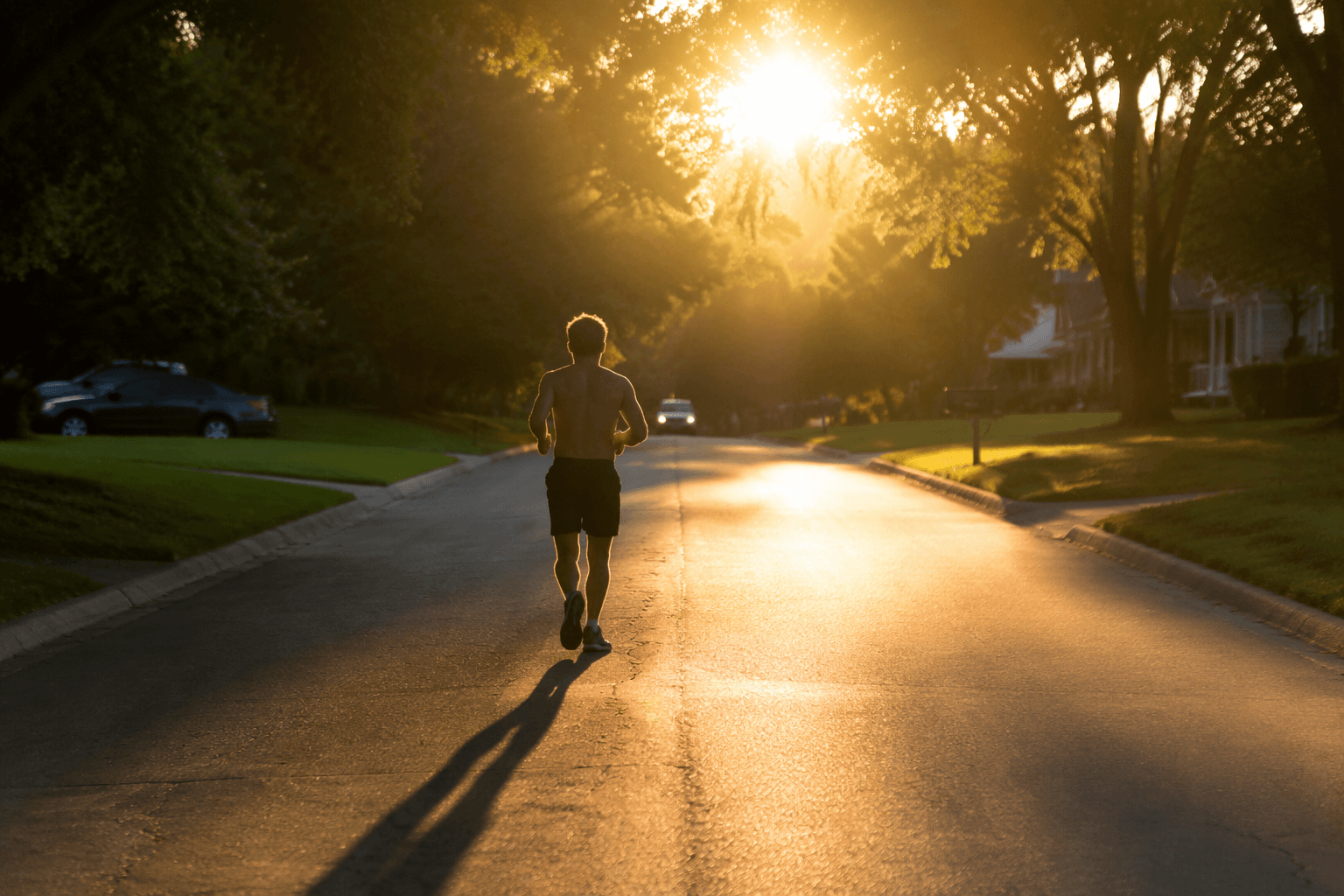
Shifting outdoor activity to morning or evening hours is especially useful in Oxford, where errands, yard work and youth sports often stack up after lunch. Shade, water and rest are basic precautions in this kind of weather.
- Start outdoor work or exercise earlier in the day when possible.
- Take breaks in shade or air conditioning.
- Carry water and drink it before thirst sets in.
- Check on older neighbors, young children and anyone working outside.
- Treat dizziness, confusion, heavy sweating or nausea as warning signs.
The Mississippi State Department of Health distinguishes between heat exhaustion and heat stroke. Heat stroke can become life-threatening quickly, and it is most likely when people keep working or exercising after their body starts to overheat.
This article was produced by Prism’s automated news system from verified source data, official records, and press releases, then run through automated quality and moderation checks before publishing. The system is built and supervised by the people who set the standards it runs under. Read our full AI policy.
Did this article answer your question?