Oxford asks residents to help reduce mosquitoes before summer worsens
Oxford is urging residents to cut mosquito breeding as Mississippi recorded 59 human West Nile cases and eight deaths last year. State health officials logged the first human case of 2025 on June 5.
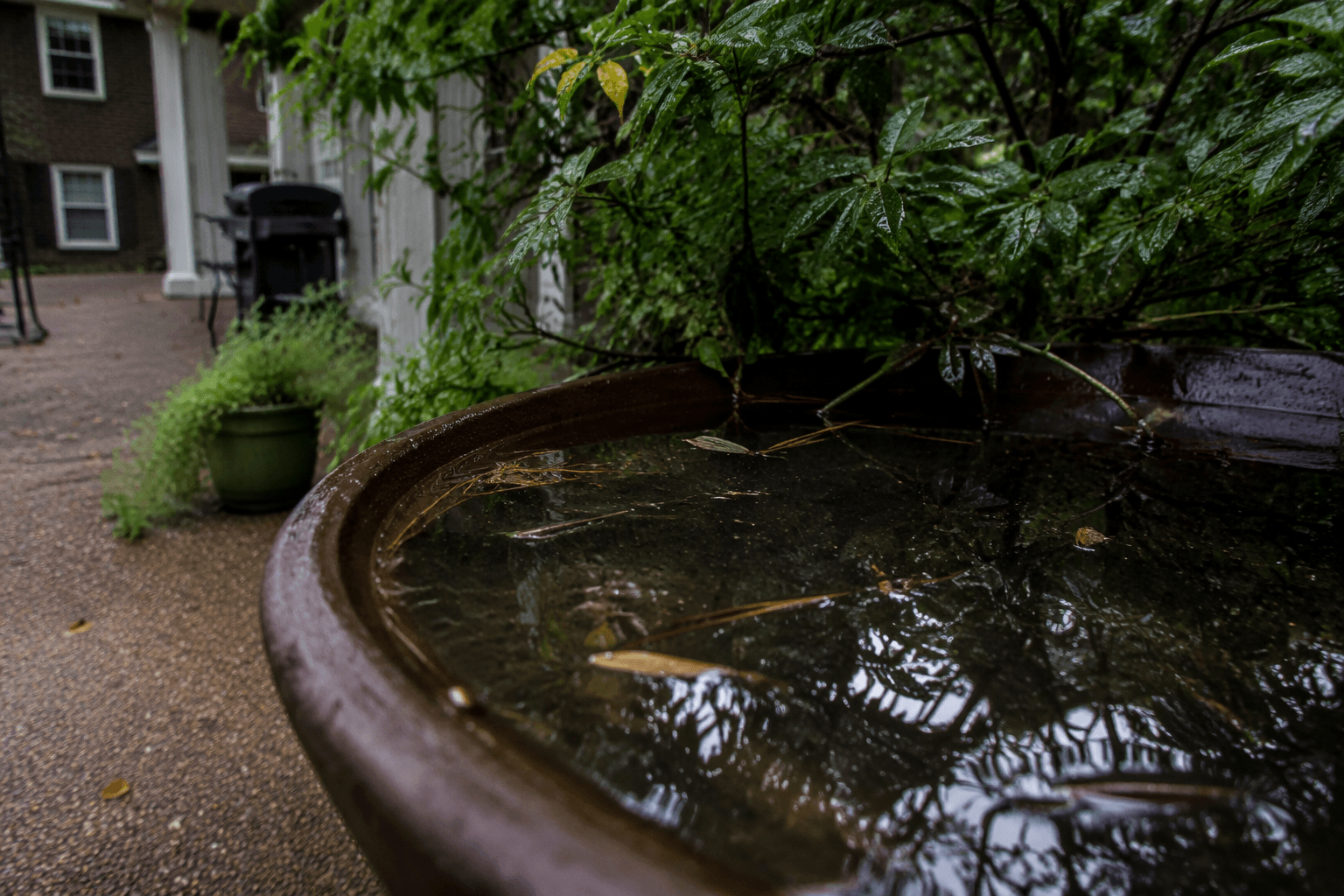
Oxford is asking residents to help cut mosquito breeding around homes as summer warmth and standing water give the insects more places to multiply. The warning carries more weight in Mississippi, where the state health department reported the first human West Nile virus case of the 2025 mosquito season on June 5, 2025, after 59 confirmed human cases and eight deaths in 2024.
Mississippi health officials say the state has at least 50 mosquito species, but only three or four transmit disease to humans. That makes mosquito control in Oxford and across Lafayette County both a nuisance issue and a public-health issue, especially when evening walks, ballgames, porch time and yard work all happen in the same season the insects surge.
State experts say the way Mississippi fights mosquitoes has changed. Mississippi State University Extension says control now leans on source reduction, which means getting rid of breeding sites, and larviciding, which treats standing water before adult mosquitoes emerge, rather than relying only on truck spraying several nights a week. The American Mosquito Control Association says the work has two parts: individual responsibility and public responsibility.
That matters because the city can only do so much on its own. Public works crews can inspect drains, treat standing water and respond to complaints, but they cannot control every backyard, vacant lot or place where water collects after rain. In a city like Oxford, where drainage ditches, retention areas and poor runoff can keep water standing, the fastest gains come when residents clear what they can and the city follows with treatment where it is needed most.

The threat is not abstract. Mississippi State Department of Health lists West Nile virus, St. Louis encephalitis, Chikungunya virus and Eastern Equine encephalitis among mosquito-borne illnesses in the state. Oxford also has been in this fight before: in April 2016, aldermen were considering updates to mosquito-control ordinances that would strengthen stormwater detention requirements in an effort to curb mosquitoes and mosquito-borne illness.
Oxford’s message now fits that same reality. The city is asking for help because mosquito control works best when standing water disappears quickly, breeding sites are reduced and treatment is aimed where it will do the most good.
This article was produced by Prism’s automated news system from verified source data, official records, and press releases, then run through automated quality and moderation checks before publishing. The system is built and supervised by the people who set the standards it runs under. Read our full AI policy.
Did this article answer your question?