Oxford police confront pressed-pill risks, push fentanyl prevention efforts
Pressed pills can hide fentanyl in plain sight, and Oxford police say that risk is pulling families, students and first responders deeper into the overdose fight.
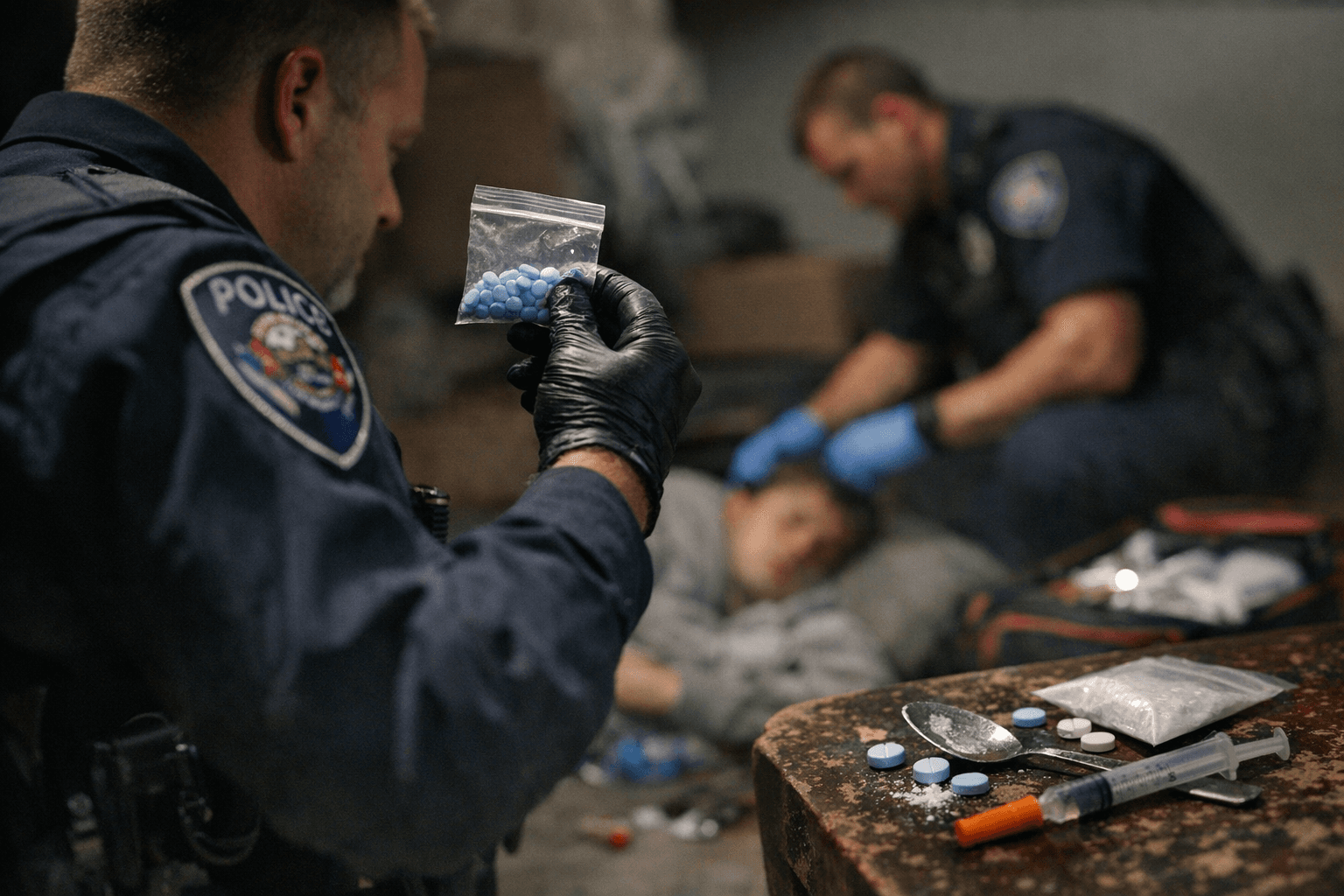
A pill that looks ordinary can become an overdose emergency in seconds, and Oxford police say that risk is now showing up in dorms, apartments and street stops across the city. Families, school officials and first responders are all part of the fallout when a pressed pill contains fentanyl or another hidden drug instead of what the user thought they were taking.
Captain Kevin Parker of the Oxford Police Department said officers continue to encounter marijuana, cocaine and especially pressed pills, the synthetic tablets that can be made to look legitimate while carrying unknown substances. That makes the danger harder to spot and faster to escalate, especially when a person takes a pill to stay awake to study or to cope with pressure and does not realize what is actually in it.
The local concern comes even as national overdose numbers have improved. CDC provisional data released in 2025 estimated 80,391 overdose deaths in the United States in 2024, down 26.9% from 2023, and later CDC data estimated 71,542 drug overdose deaths in the 12 months ending in October 2025. Even so, the agency still warns that counterfeit pills and illegally made fentanyl remain a major threat, particularly for younger people. A CDC analysis from 2024 found patients ages 15 to 34 made up about two-thirds of suspected counterfeit-pill fentanyl exposures at one hospital, and additional substances were detected in about 91.6% of those cases.
Mississippi’s data tell a similar story. The Mississippi State Department of Health says the state’s opioid epidemic started in the late 1990s with prescription opioids and is now driven by synthetic opioids, especially fentanyl. MSDH says overdose deaths in Mississippi almost doubled from 2019 to 2021, synthetic-opioid deaths rose 51% from 2020 to 2021, and about one-third of overdose deaths in 2021 were among people younger than 35. The state’s 2024 Opioid and Heroin Data Collaborative report said 213 of 314 suspected overdose deaths reported to the Mississippi Bureau of Narcotics were opioid-related, and opioid-related deaths fell 29.0% from 2023 to 2024.
Oxford’s response now stretches beyond enforcement. The Mississippi Attorney General’s office, through its One Pill Can Kill initiative, has distributed fentanyl harm-prevention kits that include fentanyl test strips, a drug-disposal bag and a pill-identification card. At the University of Mississippi, the William Magee Center for AOD and Wellness Education offers free naloxone, known by the brand name Narcan, through vending machines and provides counseling support for students who are struggling with substance use or helping someone else. The William Magee Institute for Student Wellbeing, created in 2019 and named for William Magee, who died of an accidental drug overdose in 2013, is built around the same goal: saving lives before a call reaches police, campus staff or an ambulance.
Oxford police say the department has 91 sworn officers and more than 114 total staff, and Parker’s message is that the job is not only to make arrests. It is to improve life in Oxford, where pressed pills and fentanyl can turn a routine night, a study session or a campus social scene into a crisis that reaches far beyond the person who swallowed the pill.
This article was produced by Prism’s automated news system from verified source data, official records, and press releases, then run through automated quality and moderation checks before publishing. The system is built and supervised by the people who set the standards it runs under. Read our full AI policy.
Did this article answer your question?