Sardis Lake offers boating, fishing, camping and cabins near Lafayette County
Sardis Lake keeps Lafayette County’s outdoor economy moving year-round, from bait shops and restaurants to cabins and campgrounds. Its boating, fishing, camping and hunting seasons turn weekend traffic into steady local spending.
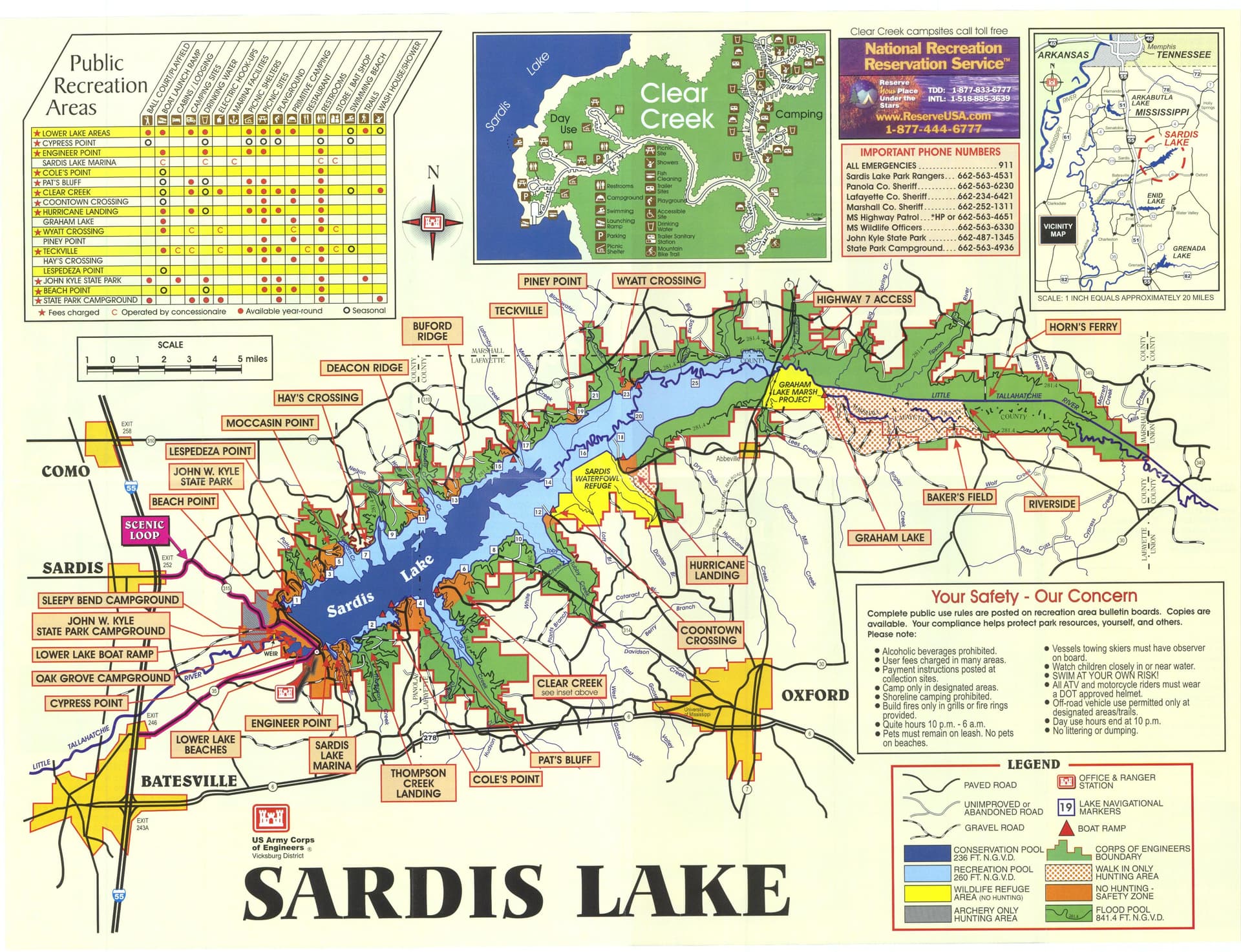
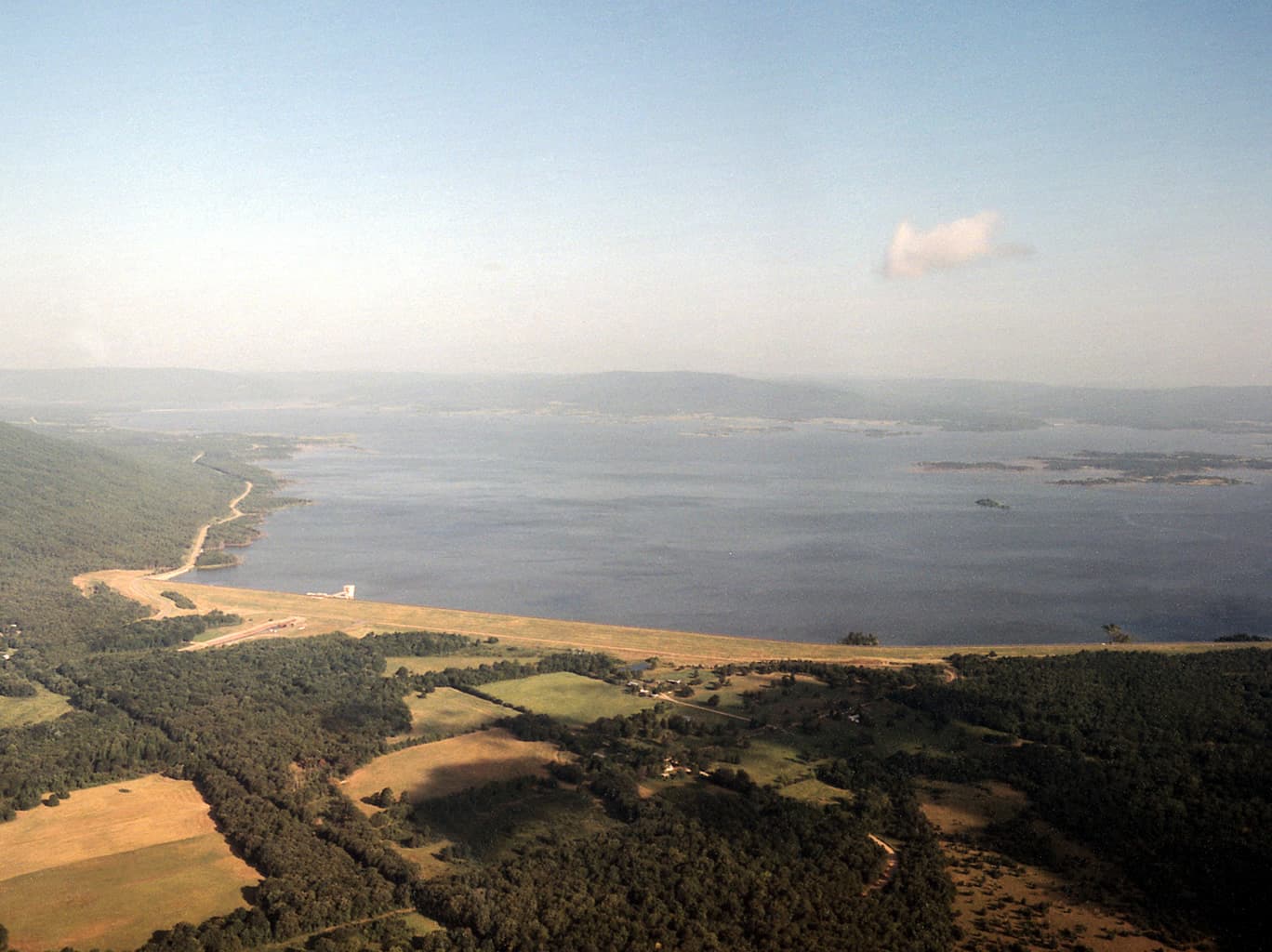
Sardis Lake pulls visitors into Lafayette County long after summer ends, because the reservoir is built for boating, fishing, camping, picnicking and hunting in every season. Its 98,520 acres spread across Lafayette, Panola and Marshall counties, creating a regional outdoor hub that feeds weekend traffic into bait shops, campgrounds, restaurants and short-term rentals.
A reservoir built for more than recreation
Sardis Lake sits on the Little Tallahatchie River and was authorized when Franklin D. Roosevelt signed the Flood Control Act of 1936. Construction took four years, and Sardis Dam began operating in October 1940, making the lake part of a New Deal flood-control system as well as a recreation site.
That history still matters. The U.S. Army Corps of Engineers says the dam became operational in October 1940 and stretches 15,300 feet in length, while the lake has a maximum storage capacity of 1,512,000 acre-feet of water. Corps material also says water begins to go over the emergency spillway above 281.4 feet, and that has happened only three times in 77 years of operation, in 1973, 1983 and 1991, with 1973 reaching 285.8 feet.
What people actually do there
The lake’s draw is practical, not just scenic. Visit Mississippi lists boating, fishing, picnicking and camping among the core activities, and the day-use areas include picnic tables, boat ramps, playgrounds, fishing spots, trails and life jacket loaner boards.
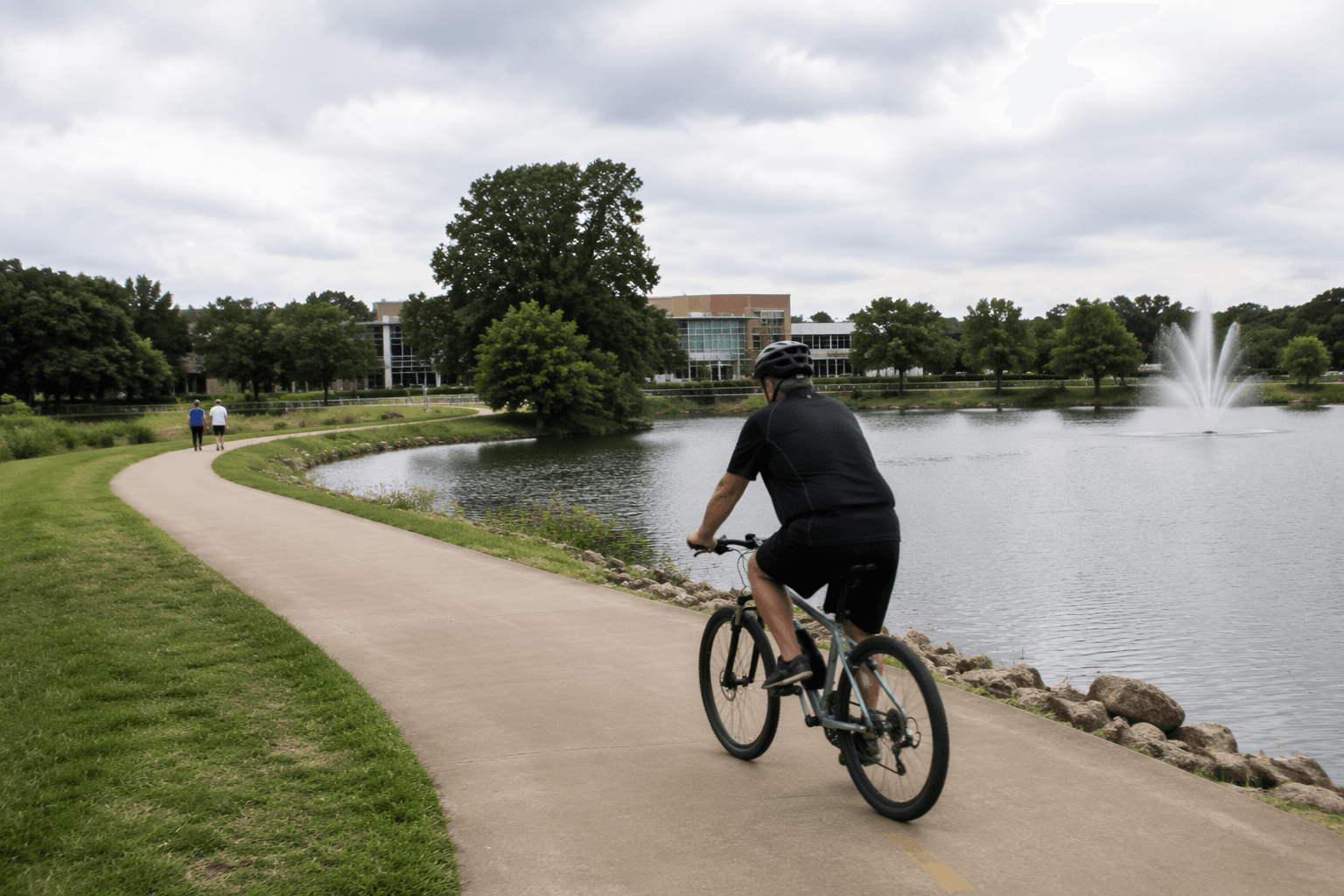
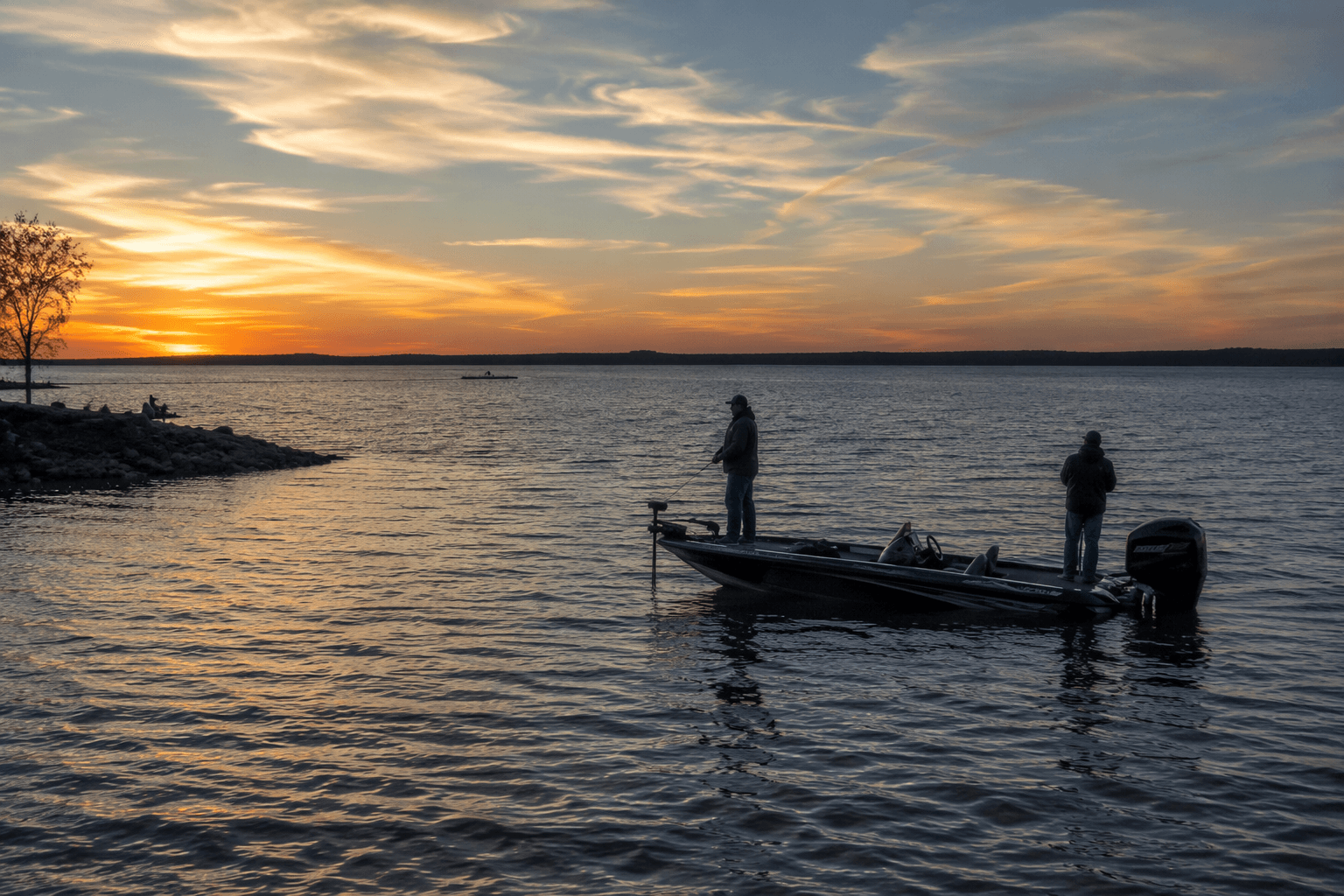
That mix makes the reservoir useful in different seasons. Families use it for spring picnics and trail walks, anglers come back for fall fishing outings, boaters take advantage of warmer months, and cooler weather brings campers looking for quieter weekends. Because the same place supports all of those uses, Sardis Lake functions as a four-season destination rather than a one-month stop.
John W. Kyle State Park extends the stay
The overnight side of the lake centers on John W. Kyle State Park. Visit Mississippi says visitors can access camping facilities and cabins there, which turns Sardis from a day trip into a place for longer family stays and repeat weekend visits.
The campground is open and accepting reservations, and one camping source lists a maximum stay of 14 consecutive nights. Mississippi State Parks also said cabins 1A and 1B were slated to reopen after flood damage from March 2019, and upgrades and renovations have been under way at the park. Those details matter because cabins and campgrounds often keep people in the area long enough to spend on groceries, fuel, takeout meals and other local purchases in and around Sardis and Lafayette County.
How the lake fits into local spending patterns
Sardis Lake’s value to Lafayette County is not limited to one kind of visitor. Boaters need ramps and supplies, anglers need bait and tackle, campers need food and fuel, and cabin guests often spend on restaurants and other services before and after they check in. That creates a steady pattern of weekend commerce that reaches beyond peak summer vacation months.
The reservoir’s scale also helps explain why it remains relevant. Visit Mississippi describes it as a 98,520-acre reservoir across three counties, which means it draws from a wide regional base instead of a single town or park entrance. For Lafayette County, that matters because the lake’s traffic is not just seasonal recreation; it is a recurring source of visitor spending tied to family outings, fishing trips and overnight stays.
Hunting rules shape the off-season too
Sardis also fits into a broader North Mississippi public-land system. Corps search results show it is one of four major project lakes, along with Arkabutla, Enid and Grenada, where hunting and trapping are allowed on lands and waters not otherwise posted as closed.
The rules are specific. Hunters must have a valid Mississippi hunting license, and Corps regulations bar hunting or trapping within 1,000 feet of any dam, building, construction site or public use area. The same rules say only temporary blinds may be used for waterfowl hunting and only portable stands for deer hunting, and dogs may not be run or trained on Corps lands from March 1 through May 31.
That matters because Sardis is not just a summer-water story. The 2025-2026 hunting and trapping regulations for Sardis, Arkabutla, Enid and Grenada were available on Aug. 18, 2025, underscoring how the lake stays active in the colder months as well. For many people around Lafayette County, that means the reservoir supports a longer season of use than a typical recreation spot.
Why Sardis Lake keeps drawing Lafayette County back
The strongest case for Sardis Lake is its range. It is large enough to shape flood control, flexible enough for boating and fishing, and developed enough for camping, cabins and day-use recreation. With John W. Kyle State Park, Corps-managed access, and rules that support year-round use, the lake remains one of the clearest outdoor anchors in the Lafayette County orbit, and its visitor traffic keeps flowing through local businesses well beyond summer.
This article was produced by Prism’s automated news system from verified source data, official records, and press releases, then run through automated quality and moderation checks before publishing. The system is built and supervised by the people who set the standards it runs under. Read our full AI policy.
Did this article answer your question?