DNR warns spring waters remain dangerously cold across Lake County
Lake Superior and Lake County's inland waters looked open, but the DNR said cold water still turned a simple fall deadly in minutes. About 30% of fatal boating crashes happened below 70 degrees.
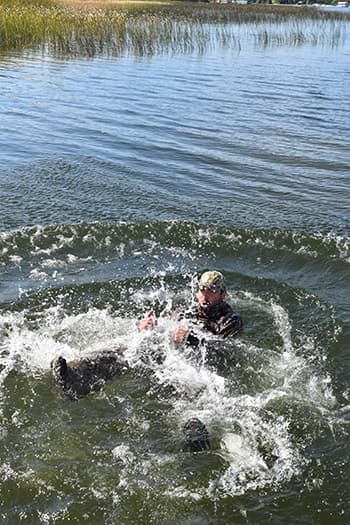
Sunny shorelines and disappearing ice made Lake County’s water look ready for spring, but the Minnesota Department of Natural Resources warned that the danger had not moved nearly as fast as the weather. Along the North Shore of Lake Superior, at inland boat launches and near river mouths, water remained cold enough to trigger shock, swallow swimmers and turn a routine slip into an emergency before help could arrive.
The DNR issued its spring warning on April 9, saying about 30% of all fatal boating accidents happened during the cold-water period, which the agency defined as any time water was below 70 degrees. That risk had become more visible as ice vanished from most lakes in southern Minnesota and melted quickly on many northern lakes. The first lake ice-out of 2026 came at Lake Shetek State Park in Murray County on March 2, about two weeks ahead of the median, a sign that open water arrived early enough to tempt anglers, paddlers and shoreline walkers long before temperatures made it safe.
The agency said many cold-water deaths involved people who were not wearing life jackets, and it urged boaters and paddlers to choose a foam-filled life jacket rather than an inflatable one for cold-water trips. It also warned crews to check that safety gear worked, avoid overloading a vessel, tell someone the route and expected return time, and watch weather for changing winds or storms. Lisa Dugan, the DNR recreation safety outreach coordinator, said, “Minnesotans want to take advantage of every day of open water, but the message is to make sure you have the proper safety gear and don’t put your desire to hit the water over the need to be safe.”
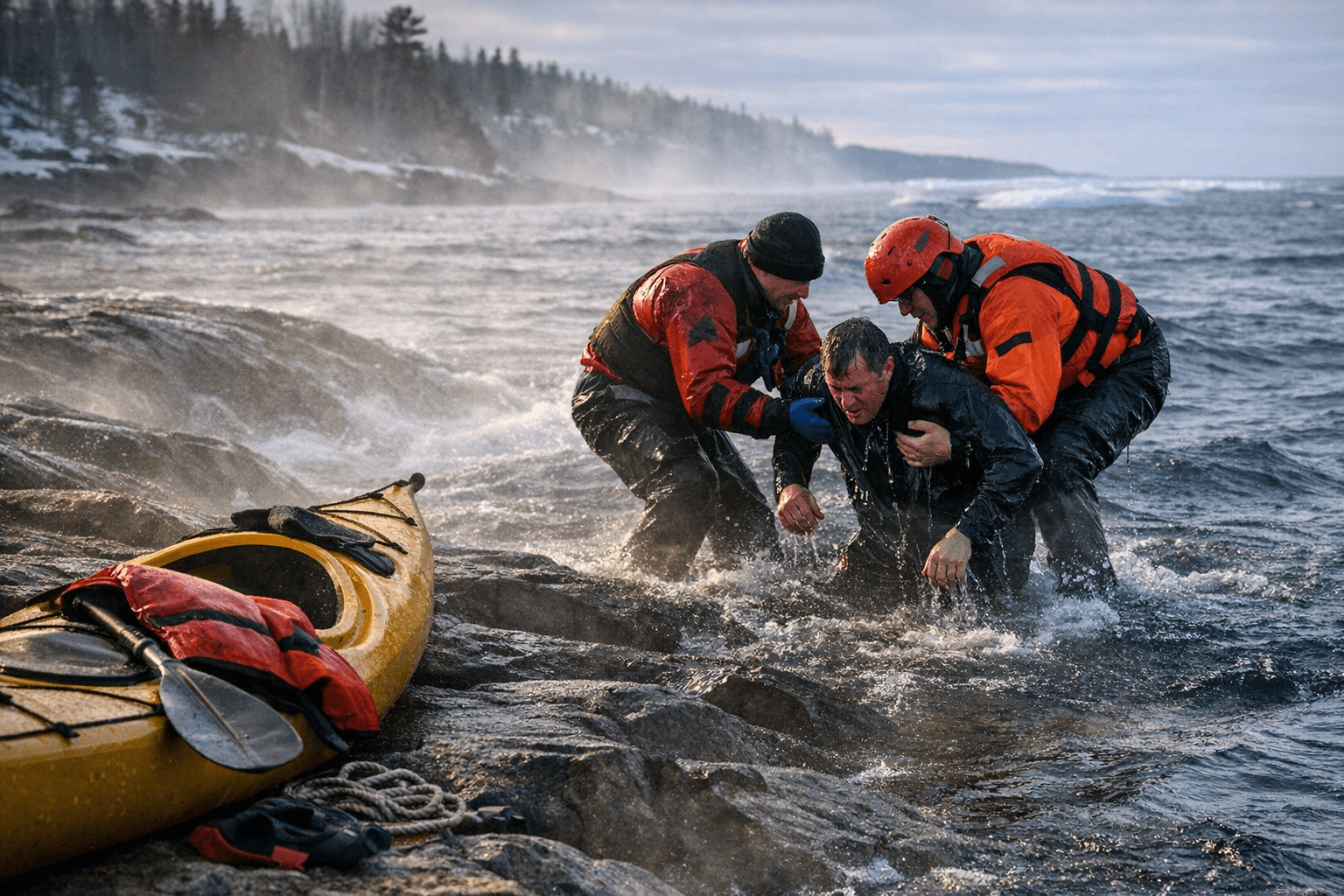
The timing mattered because the body failed fast in cold water. The DNR said cold shock could bring gasping, hyperventilation and panic within 2 to 3 minutes of immersion. Swim failure could follow within the first 30 minutes, and after that hypothermia could lead to loss of consciousness and drowning. If a boat capsized, the best chance was to stay with it, use the H.E.L.P. position and huddle if several people were in the water.
The warning also fit a broader enforcement and weather picture. The DNR said 71 county sheriff’s departments participated in its boating safety enforcement network, focusing on heavily used waters and nighttime patrols. National Weather Service Duluth also cautioned that lake temperatures across the region were taking a tumble. For Lake County, the message was blunt: spring scenery did not mean spring water, and the North Shore remained a place where one mistake could become fatal in minutes.
This article was produced by Prism’s automated news system from verified source data, official records, and press releases, then run through automated quality and moderation checks before publishing. The system is built and supervised by the people who set the standards it runs under. Read our full AI policy.
Did this article answer your question?