Elena Freking Endures Extreme Cold in 2026 John Beargrease 120
Elena Freking battled extreme cold and logistical strain while running the 120-mile John Beargrease sled-dog race, highlighting local winter sports' economic and community importance.
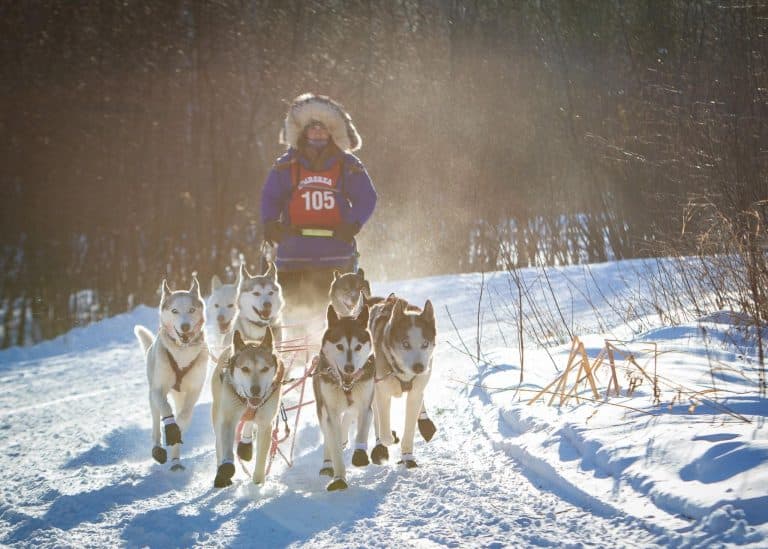
The harness lines creaked like old sled runners as I readied my team for the trail, the kind of cold that tests gear, training and nerves. Running the 120-mile John Beargrease on the North Shore on February 10, 2026 meant more than finishing a race; it meant keeping 12 dogs healthy, managing supplies miles from town, and relying on a community that shows up when weather bites hard.
I run Manitou Crossing Kennels and have raced on Lake Superior’s shoreline long enough to respect both the beauty and the brutality of northern winters. This year’s conditions forced nonstop decisions: when to push, when to rest, how to treat frozen paws, and how to steward limited food and fuel. The extreme cold compressed the race into an operational challenge. Equipment froze, handlers layered on insulation, and veterinary checks became mission critical. Getting through the Beargrease required planning at the kennel level and coordination with race officials and volunteers at checkpoints along the route.
The race matters to Lake County beyond the finish line. Local businesses, from grocers and gas stations to lodges that host teams and families, see a pulse of activity tied to events like this. For Manitou Crossing Kennels, the Beargrease is both competition and marketing: my entries reflect investment in supplies, veterinary care and training that circulate through the local economy. For volunteers and small vendors, the race brings foot traffic and a weekend uptick in demand when winter otherwise suppresses business. In a rural county where winter tourism and outdoor recreation are economic anchors, the resilience of mushers and sled-dog teams is economically significant.

The event also highlights infrastructure and policy needs. Trail maintenance, emergency response plans for extreme weather, and support for working kennels are practical priorities. When temperatures plunge, so do the operational costs for kennels, extra feed, heated storage, replacement booties and vehicle fuel all add up. Local leaders and state agencies that budget for winter recreation should factor the unpredictable costs and public-safety demands that come with off-road events on remote North Shore routes.
For readers who live and work along Lake Superior’s shore, the Beargrease is a reminder of the region’s rhythm: winter demands preparation, community cooperation and respect for the elements. My dogs and I finished what we started, but the bigger takeaways are communal. Supporting local kennels, investing in trail safety, and recognizing winter events as economic lifelines will help Lake County turn cold weather into sustained opportunity rather than repeated strain. The trail ahead will always be cold, but preparedness and local investment make it possible to run.
This article was produced by Prism’s automated news system from verified source data, official records, and press releases, then run through automated quality and moderation checks before publishing. The system is built and supervised by the people who set the standards it runs under. Read our full AI policy.
Did this article answer your question?