Lake County board approves Knife River fence variance with conditions
Dan and Robecca Fisher won approval to build a fence taller than 6 feet at their Knife River parcel, but Lake County attached conditions to protect nearby property.
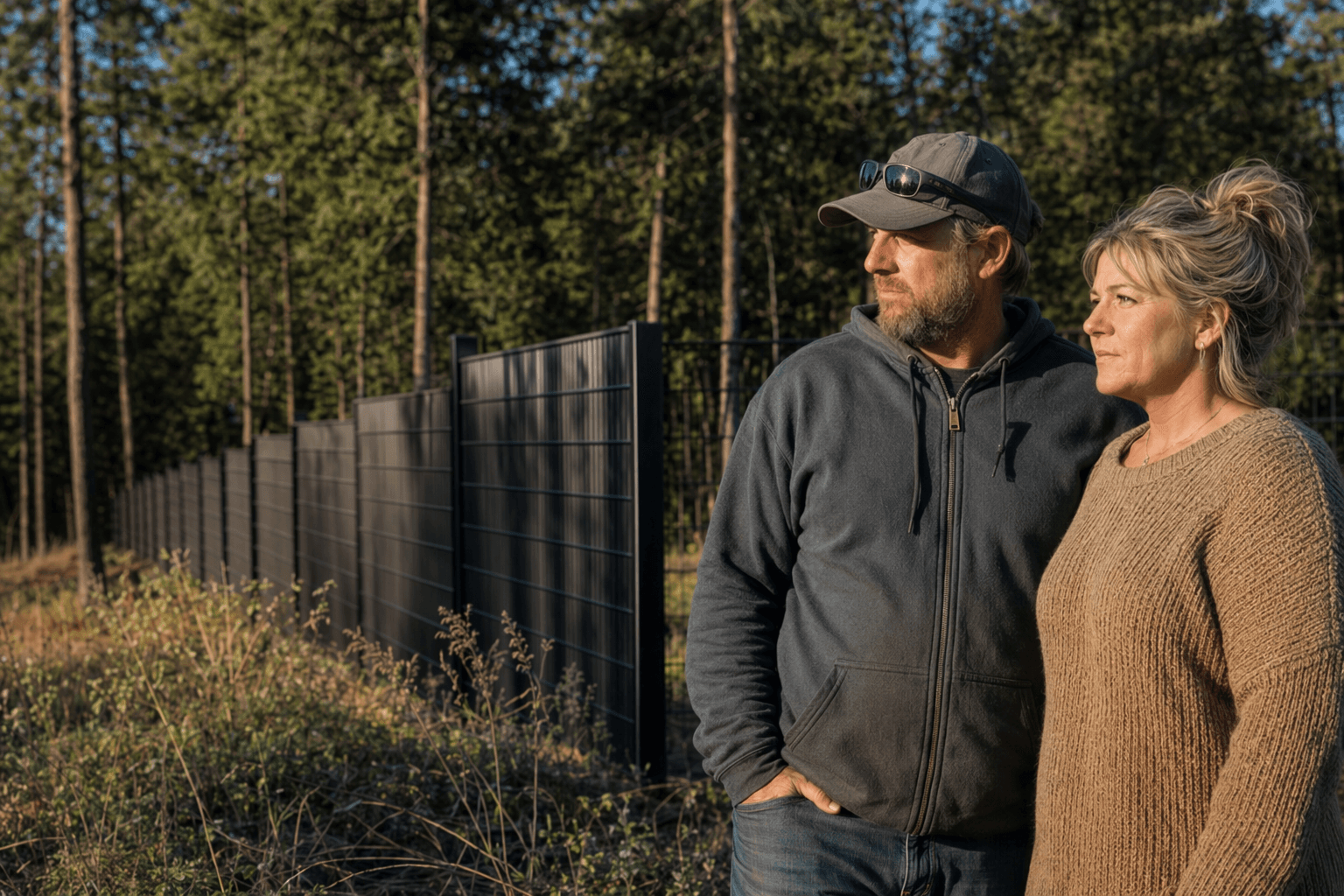
A taller fence is now allowed at 282 Skiff Landing Rd. in Knife River, after Lake County approved Dan and Robecca Fisher’s request for relief from the railroad right-of-way setback. The variance clears the way for a fence more than 6 feet high on the 0.79-acre parcel, but only under conditions the county said were needed to protect the surrounding area.
The Lake County Board of Adjustment considered variance V-26-002 at 1 p.m. on May 11 in the Law Enforcement Center at 613 3rd Ave. in Two Harbors. The property is identified as PID 25-5200-30945 and is zoned R-4 Residential, UT #2. The notice for the hearing said the request fell under Article 25 of the county’s land-use ordinance and would allow relief from the Railroad ROW setback for the fence.
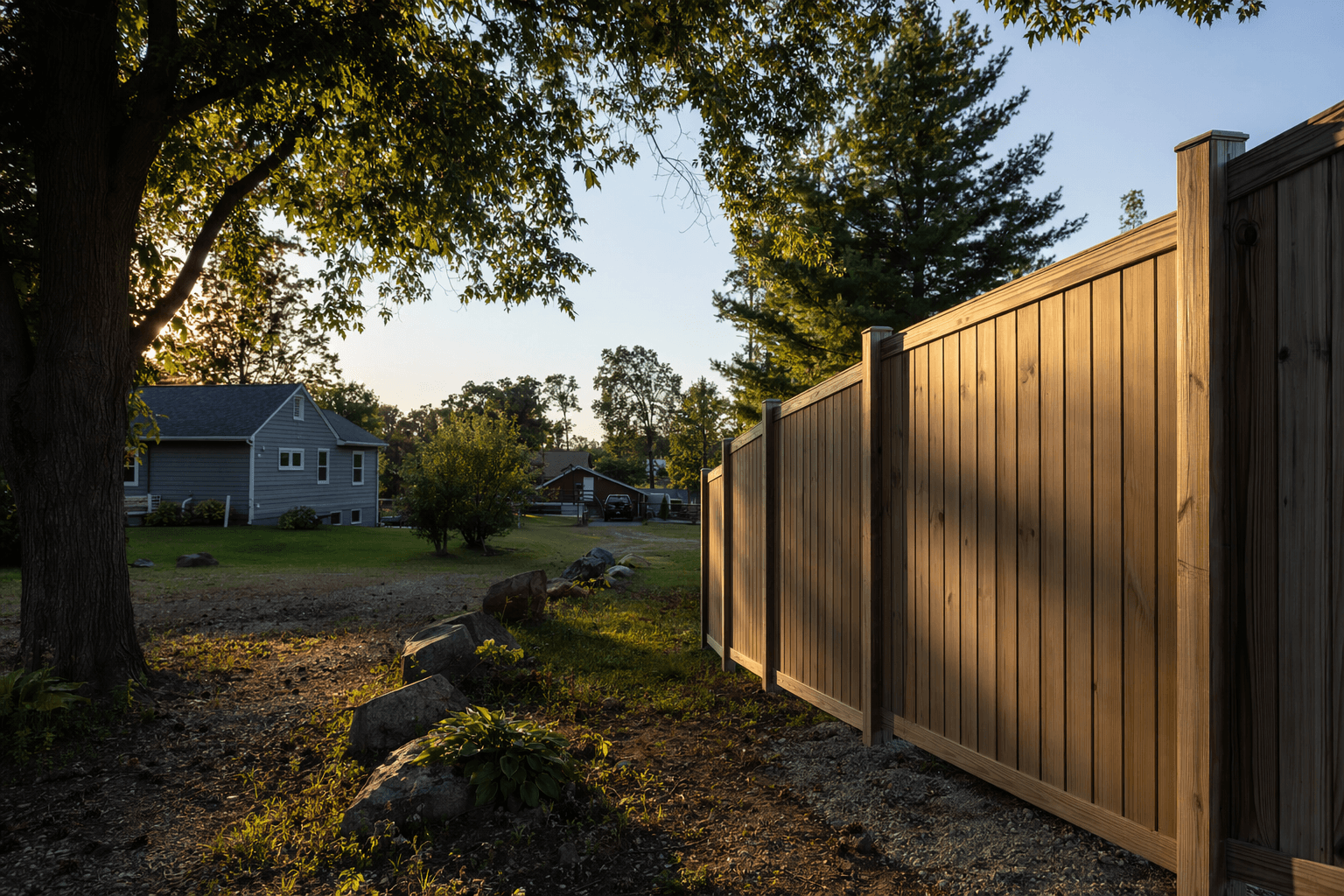
The board approved the request with conditions after a motion by Wattunen and a second by Michael Hoops. The minutes do not describe a drawn-out dispute, but the decision still matters because setback rules are one of the main tools counties use to control how close structures can come to property lines, rail corridors and other sensitive edges. For nearby owners, that means the county has now allowed a taller fence on the Fishers’ lot, while still preserving some limits on how the project may affect the neighborhood.
Minnesota law gives county boards of adjustment the exclusive power to issue variances, and state statute says variances must stay in harmony with the ordinance’s purpose and the county’s planning goals. Lake County’s code also allows conditions to be attached when officials believe they are needed to protect the best interests of surrounding property or the vicinity. In practice, that gives the county room to permit a project while trying to keep its impact contained.
The approval fits Lake County’s long-running land-use system, which Planning and Zoning says has been promoting and protecting public health, safety and general welfare since the mid-1970s. In a county where rail lines, waterfront parcels and tightly bounded lots regularly create land-use conflicts, even a fence variance can show how strictly the county is interpreting its rules, and how often it is willing to trade rigid setbacks for conditional approvals.
This article was produced by Prism’s automated news system from verified source data, official records, and press releases, then run through automated quality and moderation checks before publishing. The system is built and supervised by the people who set the standards it runs under. Read our full AI policy.
Did this article answer your question?