Lake County commissioners review fire recovery, roads and library services
Fall Lake Township got a countywide update on fire recovery, road closures and library services, with July 2 deadlines looming on debris cleanup and gas-rule comments.

Lake County’s traveling board meeting in Fall Lake Township put several practical deadlines on the county’s immediate calendar, from wildfire recovery to road work and library services. Only District 1 Commissioner Joe Baltich and Chair Rich Sve were present, along with county administrator Matt Huddleston and Highway Engineer Jason DiPiazza, but the small lineup still produced decisions and updates that reach well beyond the township hall.
Fire recovery still has a live timeline
The clearest near-term county issue is still the Stewart Trail Fire. Huddleston said the Iron Range Resources and Rehabilitation Board approved $100,000 for a North Shore Stewart Trail Wildfire Economic Relief Program, money aimed at landowners dealing with the fire’s aftermath. Lake County has also been coordinating temporary disposal sites for burned debris with the Minnesota Department of Public Safety and the Minnesota Pollution Control Agency, which shows the recovery is still moving through cleanup, not just damage assessment.
That cleanup has public-facing pieces too. Lake County hosted a community outreach event on May 28, 2026, for property owners whose homes, septic systems, trees or other structures were damaged by the fire. Emergency management materials also show the county has rolled out new wildfire evacuation zones, a sign that the fire response is changing how the county organizes alerts and evacuations for the next major threat.
The timeline is not open-ended. Lake County’s temporary transfer station for burned building and demolition materials is scheduled to close on July 2, 2026, the same day the Minnesota Department of Natural Resources closes its public comment period on draft gas-resource development rules. Those dates matter because they sit at the intersection of cleanup, permitting and public input, and they force county officials to keep both recovery work and future land-use decisions moving at once.
The helium question is now part of county governance
Huddleston also flagged the county’s helium-related permitting calendar, which is tied to the state’s draft gas-resource development rules. The Minnesota DNR says helium was accidentally discovered in Lake County in 2011, and its regulatory framework materials note that Minnesota had no gas-production regulatory framework at that time. That history explains why a July 2 comment deadline is not just a technical date, but part of a broader conversation about how the state and county will handle mineral and gas development going forward.
The county website is being updated at the same time, which gives the public another channel for tracking deadlines and notices. In a rural county where permitting, landowner notices and emergency updates can all affect whether someone can rebuild, clear debris or prepare a parcel for future use, those administrative updates matter almost as much as the headline-grabbing projects.
Roads, bridges and closures shape daily access
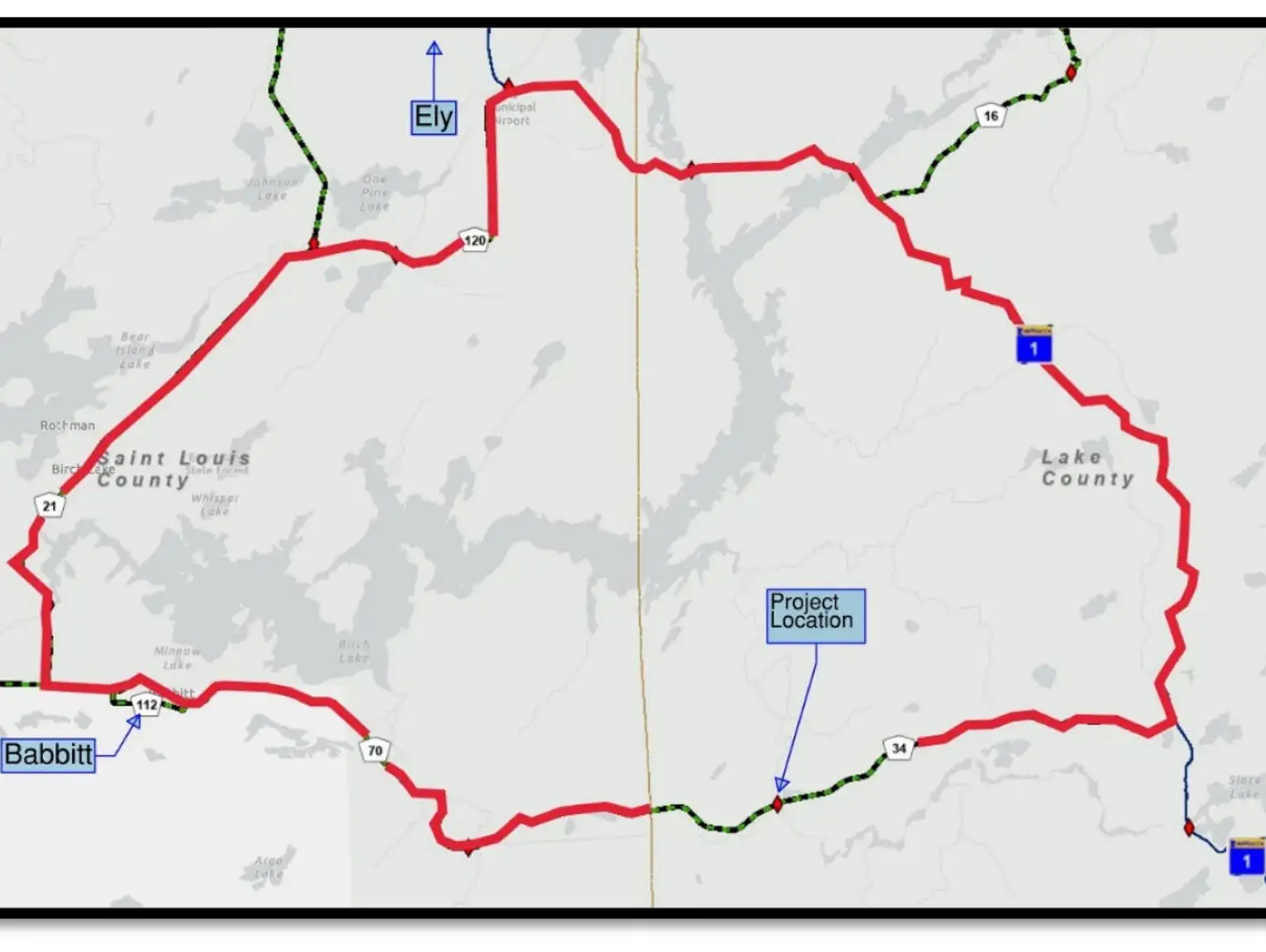
DiPiazza’s road update pointed to the county’s continuing dependence on a few vulnerable transportation links. The Tomahawk Road bridge project is expected to be finished by mid-September, giving the county a defined end point on one important crossing. A later Minnesota Department of Transportation closure on Highway 1 will follow so a flood-damaged culvert can be replaced, another reminder that weather and water keep pressing on the county’s road system.
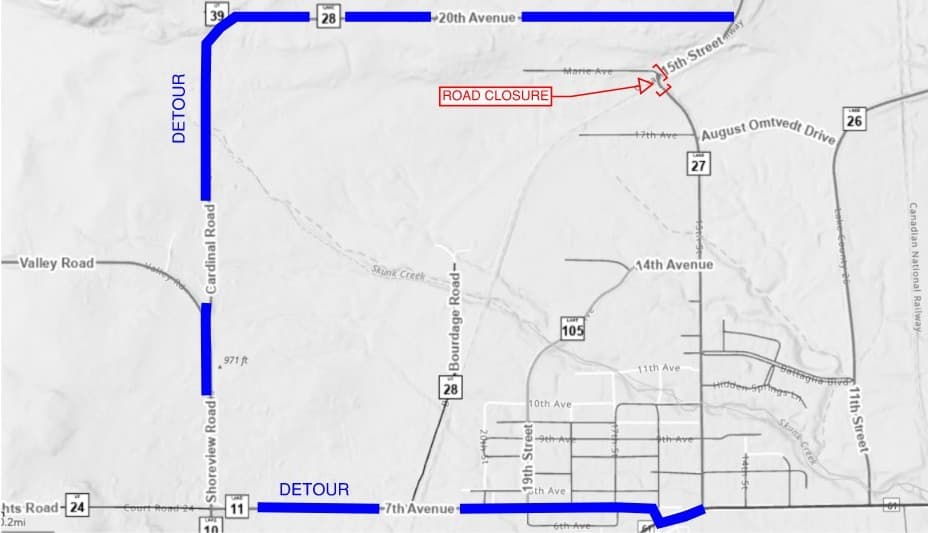
Highway 2 remains a separate concern. County notices tied to work between County Road 15 and MN 1 included reopening and detour notices, along with lane and shoulder restrictions. In a place where a detour can alter commute times, emergency response routes and hauling patterns, those notices are more than routine maintenance bulletins. They shape how people move goods, reach school and get to work across the county’s eastern and western edges.
Library service and regional cooperation stay on the table
Baltich also brought up the Arrowhead Library Board, where a $30,000 software upgrade is being considered for the 29-library system. He said he wants more audio books and even a bookmobile, which puts library access in a broader service frame than just shelving and checkout counts. For residents who rely on shared library systems across a wide geography, software upgrades and mobile service can determine whether materials and services actually reach smaller communities.
The board also discussed the intergovernmental land management team meetings with the Forest Service, the Minnesota DNR and neighboring counties. Those meetings stopped during COVID and have resumed, giving the county a formal table for forest, Boundary Waters and cross-jurisdictional land issues. In a county where public land, tourism and resource management overlap, that kind of coordination can affect everything from trail access to fire planning.
Baltich also said ambulance billing improvements are moving ahead in Ely, another example of county services that are easy to overlook until they break down. Billing systems are not as visible as road closures or fire debris sites, but they affect how emergency services are financed and whether local systems can keep operating without sudden gaps.
Taking the meeting on the road is changing who gets heard
Lake County’s board calendars show the county already uses rotating meeting locations and holds action, agenda, workshop and committee-of-the-whole meetings outside a single fixed chamber. That structure turns Fall Lake Township into more than a symbolic stop. It gives township residents a closer seat to decisions on recovery funding, road timing and library service, and it keeps county officials working through local issues in the places they affect.
The meeting also left one question unresolved: whether Locust Lane could be rerouted through the county pit for safety reasons in connection with future Silver Rapids development. That kind of land-use question can alter traffic patterns, access and development timelines, which is exactly why holding meetings around the county can matter. It puts those decisions on the public record in the communities most likely to live with the result.
This article was produced by Prism’s automated news system from verified source data, official records, and press releases, then run through automated quality and moderation checks before publishing. The system is built and supervised by the people who set the standards it runs under. Read our full AI policy.
Did this article answer your question?