Lake County guide explains permits for building, digging and shorelines
A shoreland project can hinge on one missed permit. In Lake County, the costly errors are usually the same: overlook the OHWL, skip septic checks, or build before the county signs off.
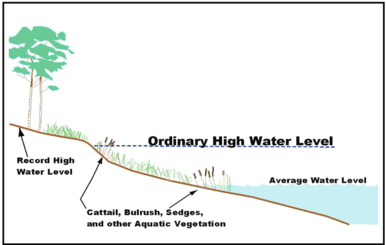
A new dock, a steeper driveway, a set of shoreline stairs, or a cleanup on a bluff can turn into a paperwork problem fast in Lake County. Before you build, dig, clear, grade, or stabilize a shoreline, check which approvals attach to the project and where the Ordinary High Water Level falls.
The line that decides who regulates the work
The Ordinary High Water Level, or OHWL, is the dividing line that matters most on shoreland property. Work landward of the OHWL generally falls under local authority, while work lakeward of it may require state or federal permits. Minnesota’s shoreland rules are administered through local zoning, so the first call is usually to the city, county, or township that has zoning authority.
In Minnesota, shoreland reaches land within 1,000 feet of a lake, pond, or flowage, or 300 feet of a river or stream, whichever is greater. The OHWL is often misunderstood, and the DNR recommends contacting a DNR waters hydrologist before altering shoreline, especially when the work will change grades, banks, or the edge of the water.
Lake County Planning and Zoning has been promoting and protecting public health, safety, and environmental welfare since the mid-1970s. In its July 2007 Property Owner’s Resource Guide, the county tells property owners to contact the permitting authority early, before applications are filed and before equipment shows up on site.
Erosion control and shoreline repair
Erosion work is where the difference between a simple fix and an expensive redo often shows up first. On the North Shore, the shoreline is dynamic, with clay bluffs, rocky beaches, fluctuating water levels, and storm wave energy. That mix can make a small grading decision or a new retaining approach far more consequential than it looks on paper.
Natural shoreline restoration with deep-rooted vegetation can be more effective and more economical over the long term than riprap. Not every shoreline can be restored the same way, but property owners are expected to think beyond rock and fill. Lake County’s fee schedule sets a $500 shoreline restoration fee for larger restoration projects that need vegetation plans.
Treating erosion control as a landscaping job is a common mistake on a shoreline repair project. If the work changes the shore, the grade, or the buffer near public waters, the project may need county review and possibly additional state or federal permits. Even minimal-impact projects can still require local, state, or federal approval, depending on scope and location.
Stairs, docks, and shoreline access
Access projects often look minor and still trigger review. Driveway access permits are required before installing a culvert or constructing an access driveway off township, county, or state roads. The county’s fee schedule also lists a $300 site development fee for a driveway and building pad on vacant land or more than 1,000 cubic yards of work.
Shoreline stairs, landings, and similar access features can also fall into the county’s structure rules. Lake County’s online permit portal includes a structure-placement permit for anything over 3 feet tall that stays in the same location for more than 30 days. That means a stair system, platform, or other access structure may be treated differently than a temporary item brought in for short-term use.
Assuming that a dock, stairway, or access path is too small to matter is a common mistake. On shoreland property, the county looks at how the feature sits relative to the shoreline, the road access, and the rest of the lot. Installing the culvert, driveway, or structure before the permit is in hand can trigger delays.
Vegetation clearing, grading, and fill
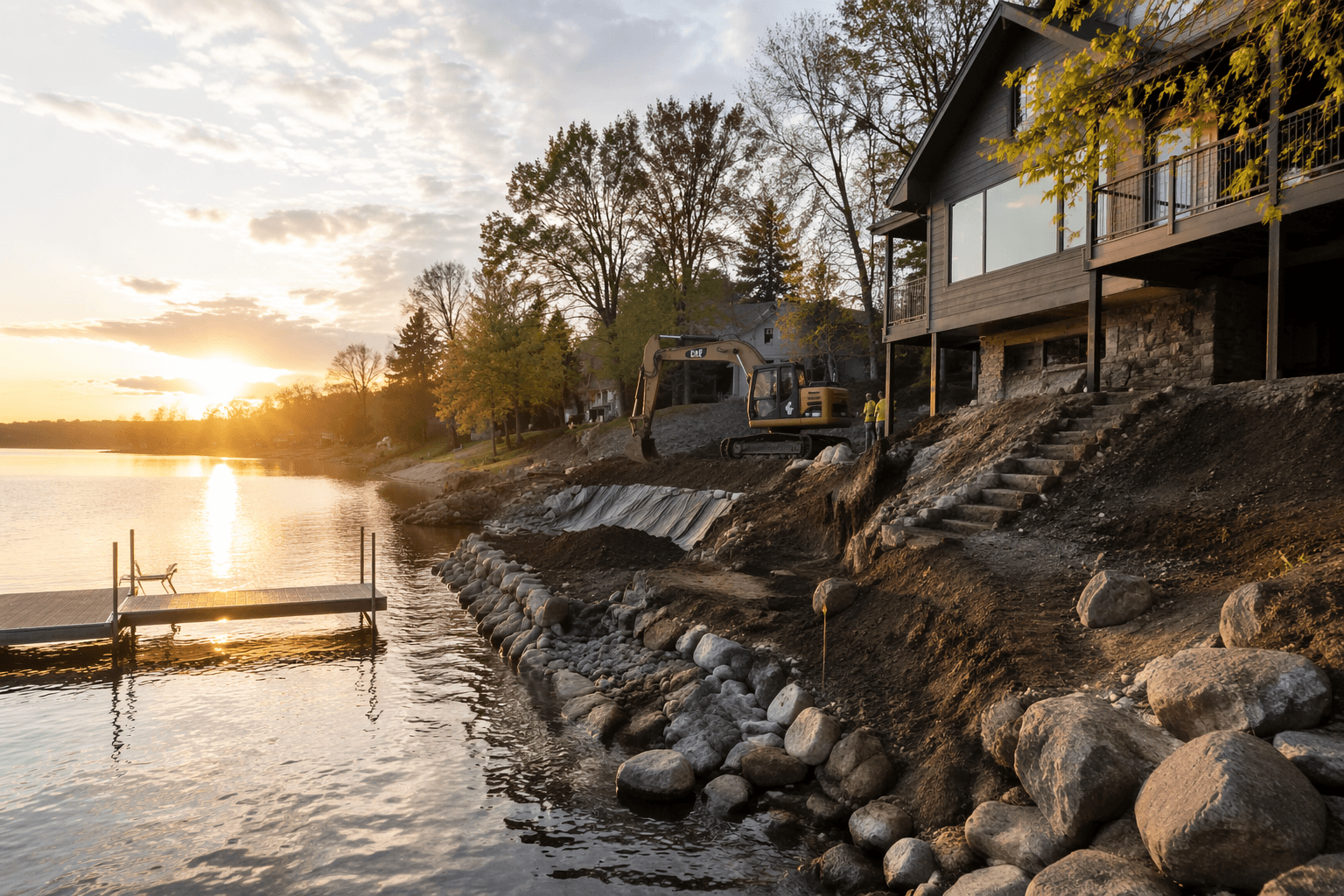
Clearing trees, leveling a building site, or bringing in fill is often where an owner first crosses into land use permitting. A land use permit is needed before building a road or a structure, and the county’s site development category reaches major work on vacant land and large grading jobs. The county’s fee schedule sets the site development fee at $300 for a driveway and building pad on vacant land or more than 1,000 cubic yards.
Grading is not just a construction step; it is a permitting trigger. If the work changes drainage, removes shoreland vegetation, or reshapes the ground near the water, it can become part of the county’s shoreland review. Because Lake County’s shoreland rules are tied to local ordinances, the safest move is to identify whether the project is being treated as a land use issue, a shoreline alteration, or both.
A common costly mistake is cutting vegetation first and asking questions later. Once the trees are down or the slope has been changed, the property owner may be stuck redesigning the project to match the rule instead of the other way around.
Septic systems can hold up the whole permit
In Lake County, shoreline projects often intersect with septic compliance. Septic compliance inspections are required before issuance of a land use permit for certain shoreland structures, new dwellings, additional living quarters, additional bedrooms, or structures connected to an existing subsurface sewage treatment system.
New systems are inspected after 12 years and every 8 years afterward when applying for certain permits or upon sale of a home. That means a cabin addition, a new shoreline structure, or a redevelopment plan can stall if the sewage treatment system is not current.
The county may still need proof that the system meets current standards before the permit can move forward.
Where Lake County says to start
The county’s online permitting system and planning staff are there to answer the kind of questions that turn into delays if they are guessed at. The county also lists office locations at the courthouse, Health and Human Services, the Silver Bay Service Center, and Highway, while inside Silver Bay, Two Harbors, or Beaver Bay, property owners should contact city clerks.
The Lake County Board of Adjustment handles variance hearings, including relief from shoreline setback and bluff-impact-zone requirements. County public notices from 2024 and 2025 show variance hearings for shoreline setback and bluff-impact-zone relief.
This article was produced by Prism’s automated news system from verified source data, official records, and press releases, then run through automated quality and moderation checks before publishing. The system is built and supervised by the people who set the standards it runs under. Read our full AI policy.
Did this article answer your question?