Lake County Historical Society helps residents research family histories
A house, a storefront, or a surname can be traced in a day when Lake County’s historical society and county records are used together.
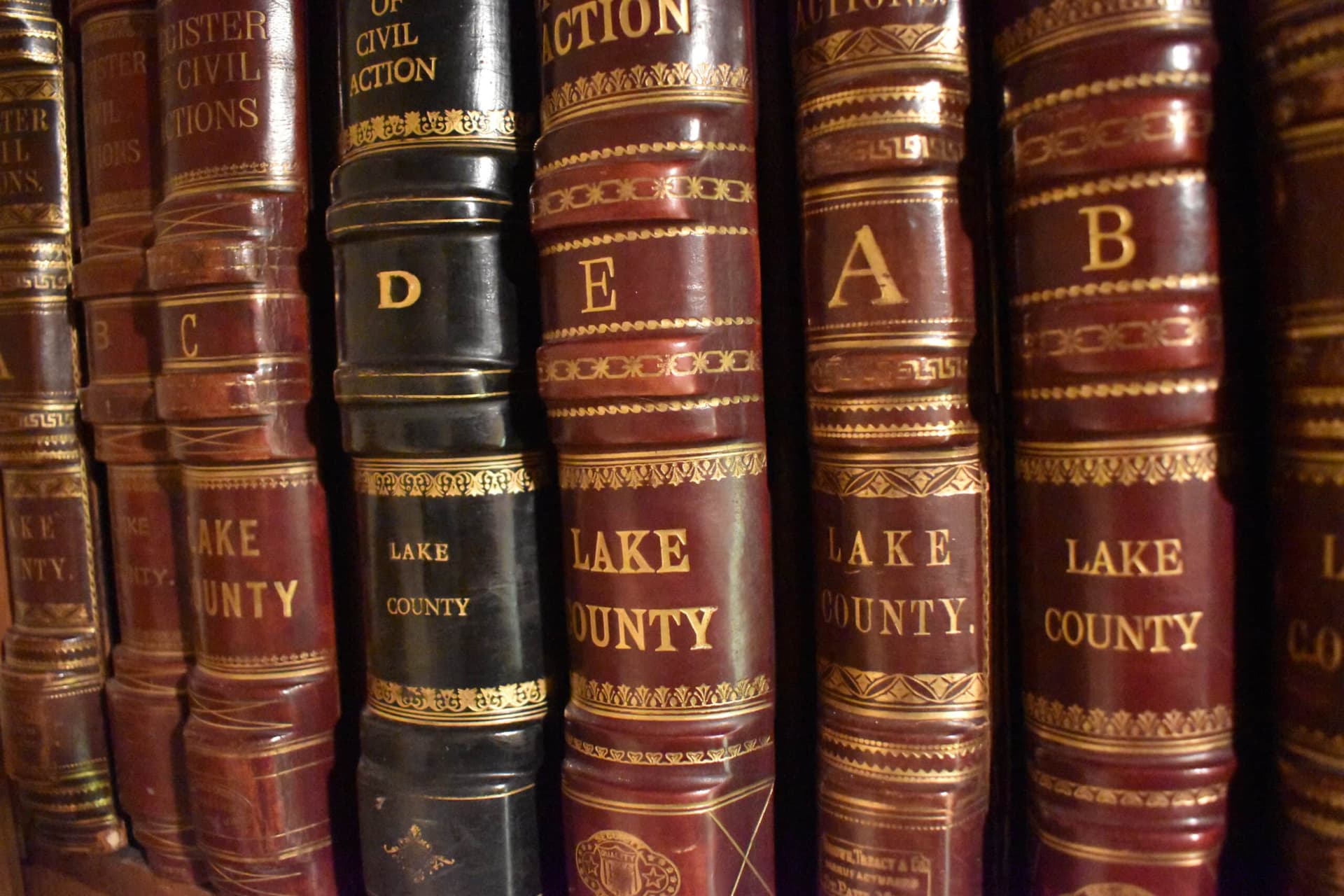
The Lake County Historical Society first met at Hotel Agate Bay on November 25, 1925, and its files and county records can answer who built the house on your block, which family ran the storefront downtown, and when a surname first appears in Lake County. The trick is to start with the right office, the right dates, and the right kind of request, then let the records point to the next clue.
Start with the Historical Society’s files
The Society was founded by eighteen charter members, and Thomas Owens, a pioneer railroader in the area, was elected the first president. It preserves artifacts, documents, photographs, and historic sites that tell the story of Lake County’s past and present culture.
For a family, house, or business search, the Society’s research files are a practical first stop. The files include information on businesses, industries, and people in the county, which makes them useful when a storefront has changed names or a house seems older than the family currently living there. The files are not all-encompassing, and access to the permanent collections is restricted, so the most productive requests are specific.
A strong request names the person, address, or business, explains exactly what needs to be found, says how the information will be used, and notes whether it will be published. That structure helps staff focus the search on the right records instead of a broad county history sweep. Staff-conducted research is available only from October through May, and the fees are $20 per hour for members, $25 for non-members, and $30 for business research. Administrative staff should be contacted by email before expecting a search.
The Society’s online collections database holds more than 31,000 pieces, including genealogy records, photos, and engineering technical drawings. One clue can lead to another, such as a family name in a genealogy file, then a photo of a business district, then a drawing that helps identify what stood on a parcel before the current building.
Use the county office that anchors names and dates
The Lake County Recorder’s Office is the county’s most important stop for vital records, including births, deaths, and marriages. Lake County Vital Records is located at 601 3rd Ave. in Two Harbors, inside the Lake County Courthouse, and the department keeps weekday office hours. The office can be reached by phone at 218-834-8301 or by email at LakeCoVitals@co.lake.mn.us.
The Vital Records Department is a Local Issuance Office authorized by the Minnesota Department of Health Office of Vital Records. It can issue certified birth and death records, marriage licenses and certificates, ordination credentials, and notary commission registrations. It also serves as a repository for military discharge records, which can be useful when a family timeline includes service history as well as births and marriages.
Lake County’s record timeline reaches back farther than many casual researchers expect. Birth records begin in the late 1880s, and death records begin in 1891, as do marriage records.
Basic staff searches are free once a completed records search application is received. Non-certified copies of birth records cost $13, with additional copies of the same record costing $9. Non-certified copies of death records cost $13, with additional copies of the same record costing $6. For people born in Minnesota on or after 1935, birth records are available in any county in Minnesota, and death records filed after 1997 are also available in any county in Minnesota, which can save time when a family moved across county lines.
Expand the search beyond Lake County when needed
When a family, house, or business trail runs past the county line, the Iron Range Research Center in Chisholm is the next practical stop. Its archives are a designated government records repository for the Taconite Tax Relief Area, and its holdings include local, municipal, county, and state records, along with records of social organizations, businesses, and personal papers. It also preserves maps, mining records, and photographs, which makes it especially valuable when a Lake County story connects to railroading, mining, shipping, logging, fishing, or tourism.
The center’s search tools are built for name tracing. It offers Soundex searching, which helps when a surname has shifted spelling across generations or when a clerk recorded a name phonetically. Online orders are usually completed within two weeks and delivered electronically by email, making it a useful option when an in-person visit to Chisholm is not practical.
Minnesota Discovery Center, which hosts the Iron Range Research Center, offers staff guidance and free access to Ancestry.com for people working on their own, a practical advantage when a Lake County line needs a census match, a family tree check, or a cross-county search before the next trip to the courthouse.
Match the records to the places that still exist
Lake County history is not only in file drawers. The Historical Society operates three historic sites in Two Harbors that help connect names on paper to places on the ground: the 1907 Duluth & Iron Range Depot Museum, the 1892 Two Harbors Light Station, and the 3M Birthplace Museum in the 1902 Dwan Building.
The Society’s photo collections reflect that same range of activity, with Lake County industries including shipping, logging, fishing, railroading, and tourism. A family name in a birth record, a business name in a research file, and a building still standing in Two Harbors can together show who lived there, who owned it, and when the county changed around it.
This article was produced by Prism’s automated news system from verified source data, official records, and press releases, then run through automated quality and moderation checks before publishing. The system is built and supervised by the people who set the standards it runs under. Read our full AI policy.
Did this article answer your question?