Lake County Historical Society to host Boundary Waters group’s 50-year history talk
Lake County Historical Society is pairing drinks and discussion in Two Harbors as Friends of the Boundary Waters marks 50 years of wilderness activism.
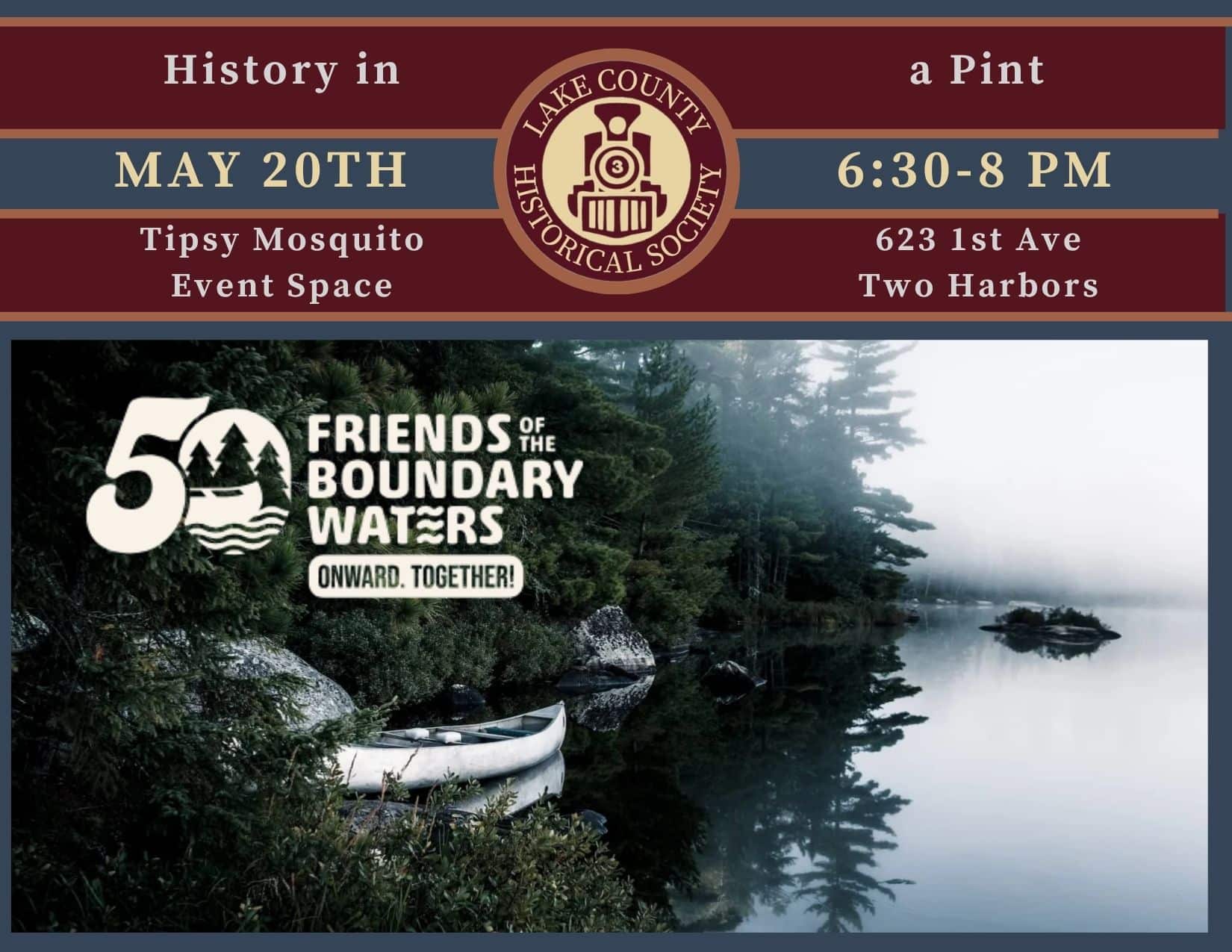
The Boundary Waters is not just a canoe country landmark, it is one of the North Shore’s defining public-land debates, and Lake County Historical Society is putting that history in front of local residents in a setting built to draw them in. The society’s History in a Pint series will feature the Friends of the Boundary Waters Wilderness education team at the Tipsy Mosquito Event Space in Two Harbors, with attendees invited to stop in early for food and a drink before the presentation.
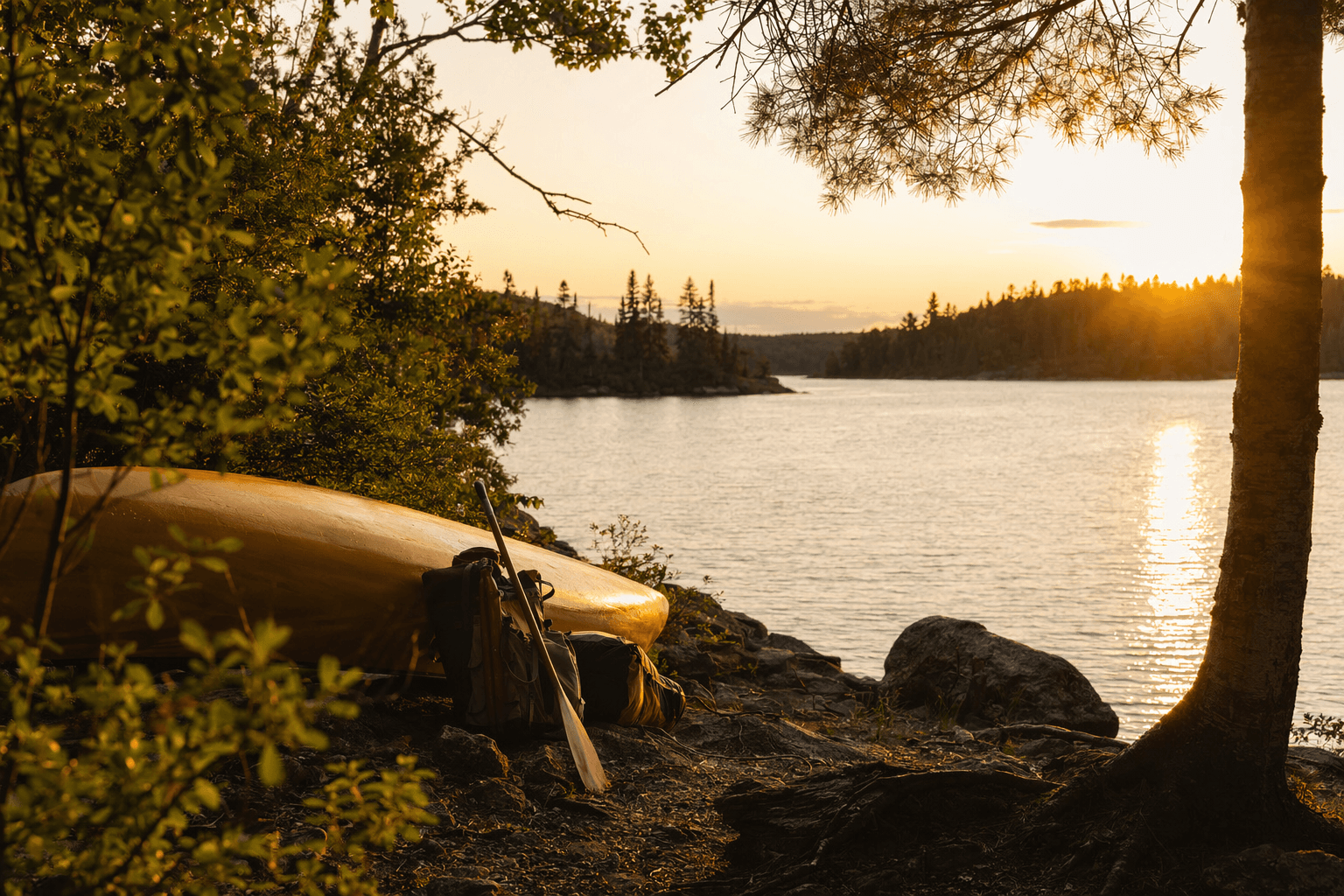
That matters because the Boundary Waters Canoe Area Wilderness carries enormous weight in northeastern Minnesota. The federal wilderness area contains more than 1,200 miles of canoe routes, 12 hiking trails and more than 2,000 designated campsites. It stretches nearly 150 miles along the International Boundary, covers more than 1,098,000 acres, and sits at the center of tourism, recreation and land-use politics that reach well beyond Lake County.
The presentation comes as Friends of the Boundary Waters Wilderness enters its 50th year. The group says it began in 1976, when a coalition of ordinary people organized to defend the area they loved, and it says it was instrumental in passage of the 1978 Boundary Waters Protection Act, also known as the Boundary Waters Canoe Area Wilderness Act. The National Park Service says the 1978 law extended full wilderness status and enlarged the BWCA to 1,075,500 acres, building on earlier milestones that set aside the area in 1926 and brought it into the National Wilderness Preservation System in 1964.
For Lake County, the timing is significant. The county sits within the broader North Shore conversation about how to balance outdoor access, environmental protection and the economic value of wild places. Decisions about the Boundary Waters ripple into lodging, outfitting, guiding and the larger identity of communities that market themselves around clean water, public land and wilderness access.
The historical society’s role also goes beyond holding artifacts and filing away old photos. The society says its mission is to preserve the history of Lake County through artifacts, documents, photographs and historic sites, and talks like this turn its calendar into a civic forum where local memory, conservation history and public policy meet. Friends of the Boundary Waters says it remains focused on what it describes as toxic sulfide mining threats to the wilderness, underscoring that the same fight that began in 1976 is still shaping the region’s future.
This article was produced by Prism’s automated news system from verified source data, official records, and press releases, then run through automated quality and moderation checks before publishing. The system is built and supervised by the people who set the standards it runs under. Read our full AI policy.
Did this article answer your question?