Lake County moves cannabis ordinance toward final approval, keeps retail cap
Lake County kept its cannabis retail cap at one per 12,500 residents while broadening options for microbusinesses, even as tax-forfeit sales drew strong bids on 40-acre tracts.
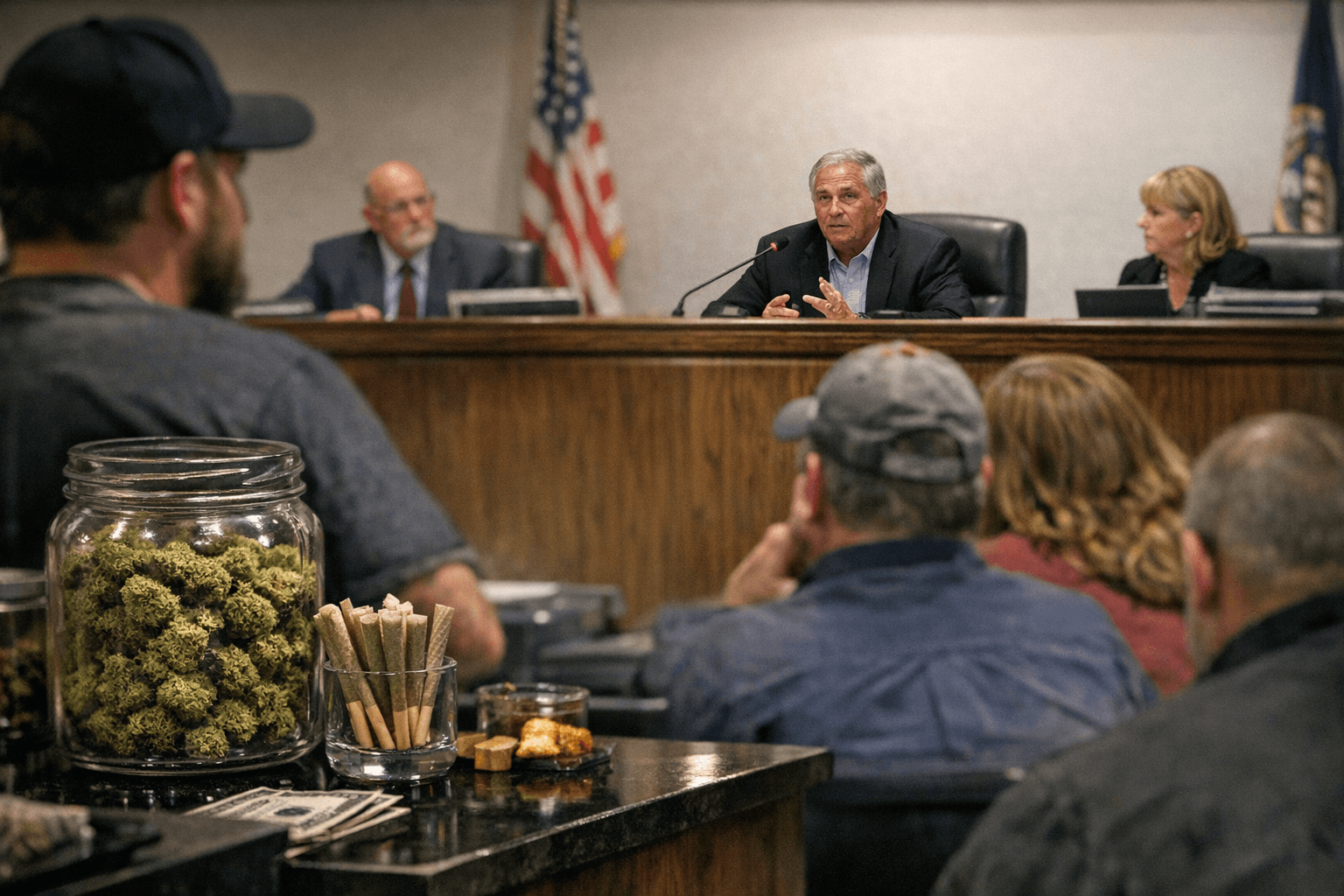
Lake County has moved its cannabis rules into final form, keeping retail capped at one registration for every 12,500 residents while widening the path for smaller operators to seek conditional-use permits in parts of the county. The changes, approved by the Lake County Board of Commissioners on March 24 and set to take effect April 3, will shape where cannabis businesses can open, what kind of operation can fit, and how much local oversight comes before a shop can start selling.
County Administrator Matt Huddleston said the ordinance had gone through many rounds of revision over more than a year, and commissioners treated the rewrite as a learning curve. One of the biggest clarifications separated low-potency hemp edibles from adult hemp products, a distinction that matters as the Minnesota Office of Cannabis Management resumed accepting applications for lower-potency hemp edible licenses in 2026. Lake County also kept cannabis retail out of residential areas and preserved the county’s cap within the limit allowed under state law.
Minnesota law lets local governments cap cannabis retail registrations at no fewer than one per 12,500 residents, and state guidance gives counties room to require zoning compliance verification and collect local registration fees before a business opens. That puts Lake County’s land-use rules at the center of the rollout, not just state licensing. The county held a public hearing on March 16 on proposed changes to its land-use, cannabis and subdivision ordinances, and the board noted that no one spoke on the record at the public comment meeting.
The ordinance update lands against the backdrop of Minnesota’s broader shift since adult-use cannabis was legalized in 2023 and the Office of Cannabis Management was created to oversee licensing. Lake County’s revisions show how that statewide change is being translated into local zoning, especially for microbusinesses that want to cultivate and process cannabis using non-volatile solvents in certain areas.
The same board meeting also turned to another land question with long-term economic stakes. Land Commissioner Nate Eide reported that recent tax-auction sales brought in surprisingly high prices, including several 40-acre parcels. Lake County regularly sells tax-forfeit and county fee lands by auction, often through publicsurplus.com, and the county auditor’s office says former owners or other interested parties may be entitled to surplus proceeds when a parcel sells for more than the delinquent taxes, assessments, penalties, interest and administrative costs.
That process now sits inside a statewide settlement tied to the U.S. Supreme Court’s Tyler v. Hennepin County decision, which led to a February 28, 2024 agreement and a claims process covering about 6,000 properties over seven years. Lake County is also required to sell some parcels even when they are landlocked and surrounded by county land, a condition that could set up future access disputes for new owners. Together, the cannabis ordinance and the tax-forfeit sales show the same county-board question in two forms: what kind of development, tax base and private business activity Lake County wants next.
This article was produced by Prism’s automated news system from verified source data, official records, and press releases, then run through automated quality and moderation checks before publishing. The system is built and supervised by the people who set the standards it runs under. Read our full AI policy.
Did this article answer your question?