Lake County officers report messy North Shore transition from ice to open water
Weak current, lingering ice and rain-slick trails left Lake County anglers and officers navigating a rough North Shore transition, even as a few rainbow trout and steelhead bit.

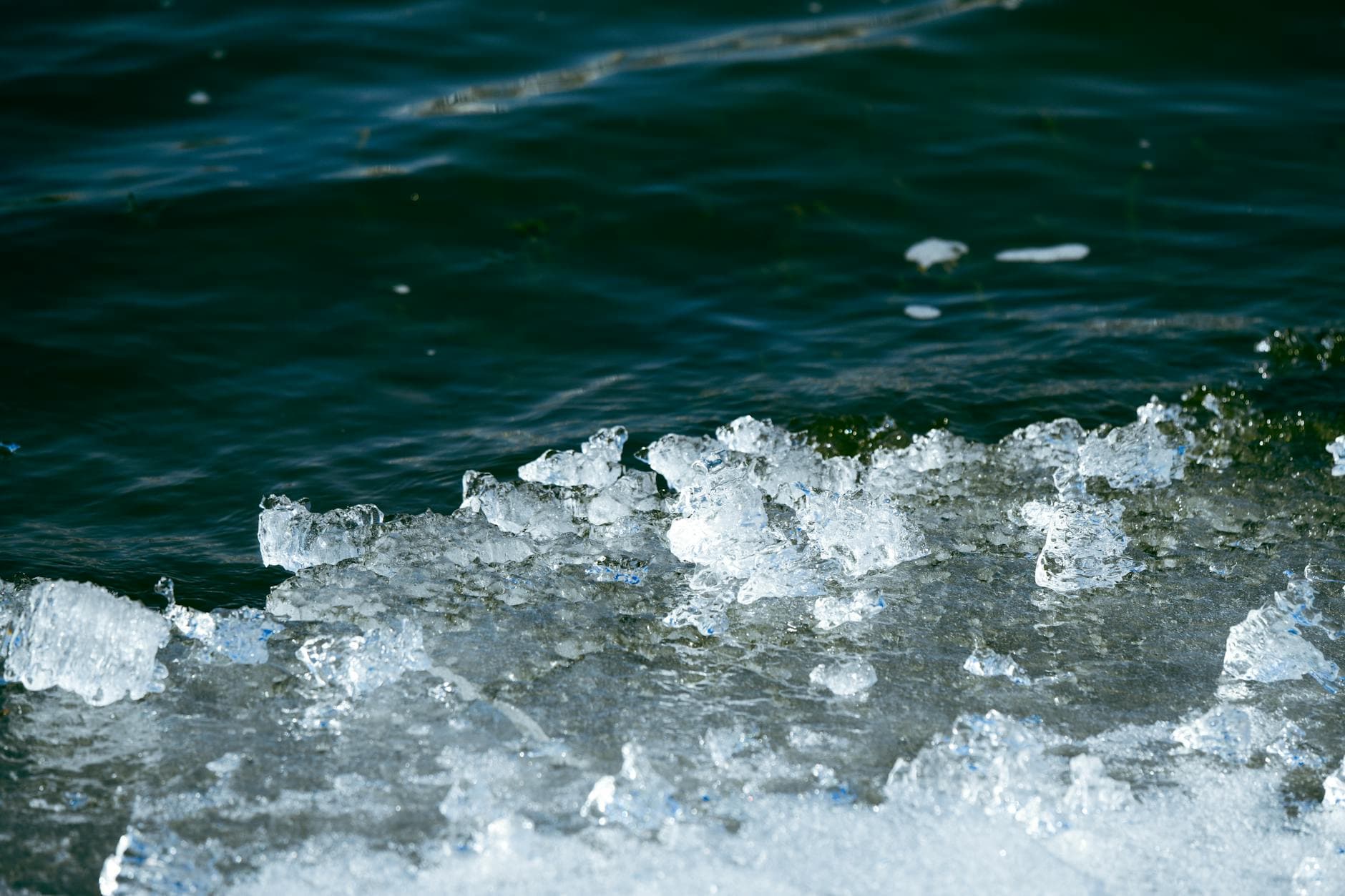
The North Shore flipped into a messy shoulder season fast, with weak river current, lingering ice and deteriorating trails leaving Lake County anglers, snowmobilers and ATV riders in a narrow window where open water, snow and unsafe ice all overlapped.
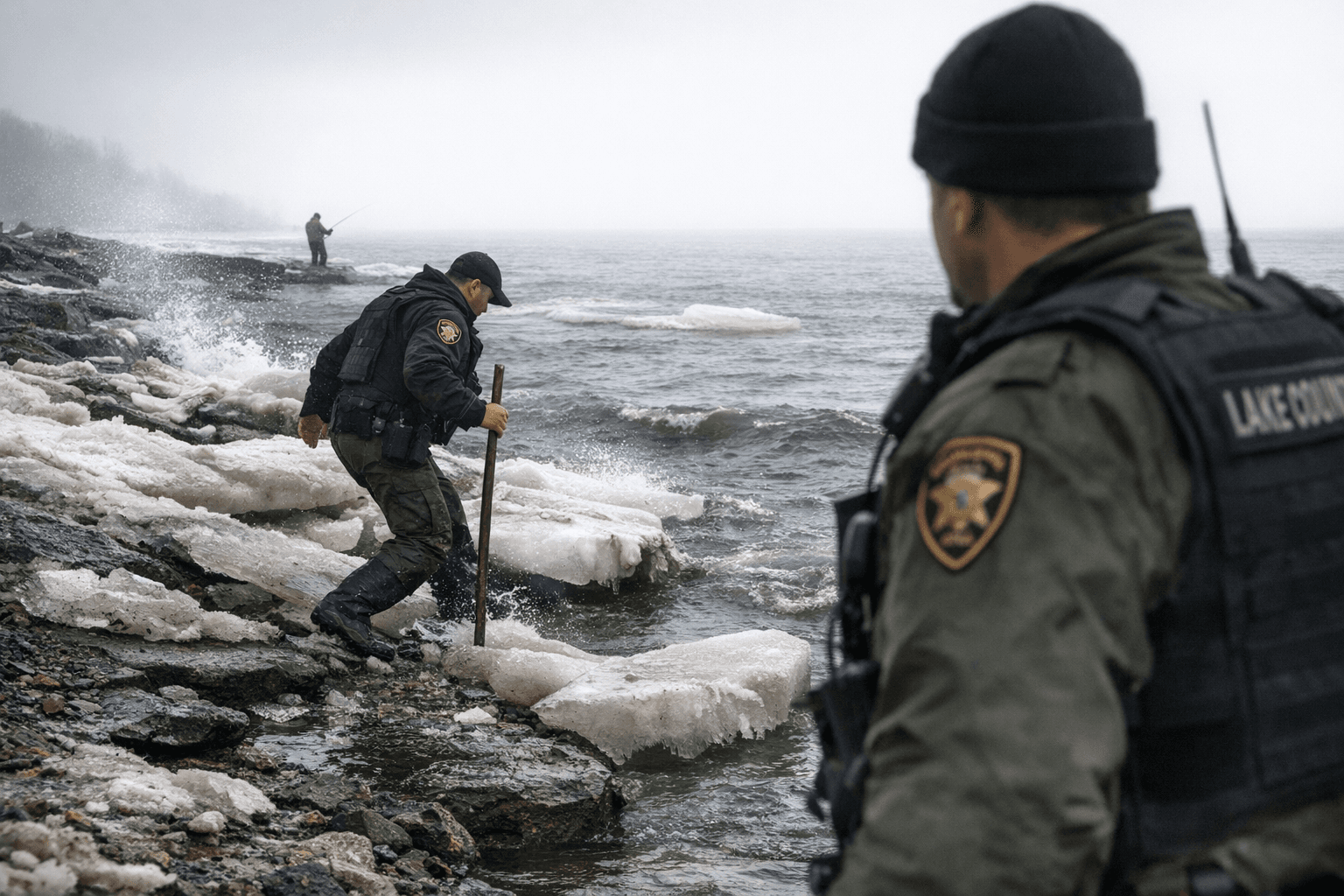
Two Harbors conservation officer Sean Williams helped with the Lake Superior and tributaries trout opener, but stream conditions were poor because many waters were still ice-covered and current was weak. Even so, some anglers still found rainbow trout and steelhead, a reminder that the spring bite can be there even when the shoreline looks locked in winter.
Elsewhere on the route, Brent Ihnen spent most of the week checking anglers while also patrolling ATV operators and monitoring spring trapping activity. Grand Marais officer Thomas Wahlstrom checked anglers along the U.S.-Canada border and caught a few remaining snowmobilers still on the trails. In Hovland, Hudson Ledeen split time between annual training at Camp Ripley and patrols on border lakes by snowmobile, and he said spring trapping and steelhead opportunities had not really opened yet because ice and snow were still hanging on.
The safety picture was just as uneven farther west. In Babbitt, Anthony Bermel finished several days of annual training while checking late-season panfish anglers and warning that ice will soon become unsafe. In Silver Bay, Megan Franzen focused on snowmobile and stream angling activity, but warm weather and rain had badly deteriorated trail conditions. Tofte officer Trent Anderson concentrated on late-season ice angling and snowmobile activity and took enforcement action on a range of angling and snowmobile violations. Two Harbors officer Cassie Block checked anglers, monitored ATV activity and continued K9 training.
The DNR says its weekly conservation officer reports are compiled from all 18 districts and are meant to highlight law enforcement, education and natural-resource protection work. For Lake County and the rest of the North Shore, that means the enforcement message is as important as the fishing report: conditions are changing quickly, and the same access points can draw anglers, snowmobile riders and ATV users into conflict with thin ice, soft trails and open water at the same time.
The broader fisheries picture explains why. Lake Superior area staff oversee about 2,300 square miles of Minnesota waters and tributary streams, and North Shore reports are posted every Thursday through Memorial Day. Spring angler surveys are run on 17 streams, giving managers a look at pressure, harvest and catch rates while smelt updates track a run that first appeared in Lake Superior in 1946, peaked in the 1960s and 1970s, and now usually arrives in smaller numbers in mid- to late April when tributary water reaches the upper 40s. The DNR also warned on April 20 that conditions at the Saturday, May 9 opener can vary sharply depending on how far north anglers fish, with cold water and lingering ice still shaping tactics across the North Shore.
This article was produced by Prism’s automated news system from verified source data, official records, and press releases, then run through automated quality and moderation checks before publishing. The system is built and supervised by the people who set the standards it runs under. Read our full AI policy.
Did this article answer your question?