Lake County overdose deaths fall as fentanyl surge stays steady
Lake County’s overdose deaths are falling, but Lt. Jason Tanski says the drug supply has not eased. The question now is whether prevention is working or the danger is just moving deeper underground.
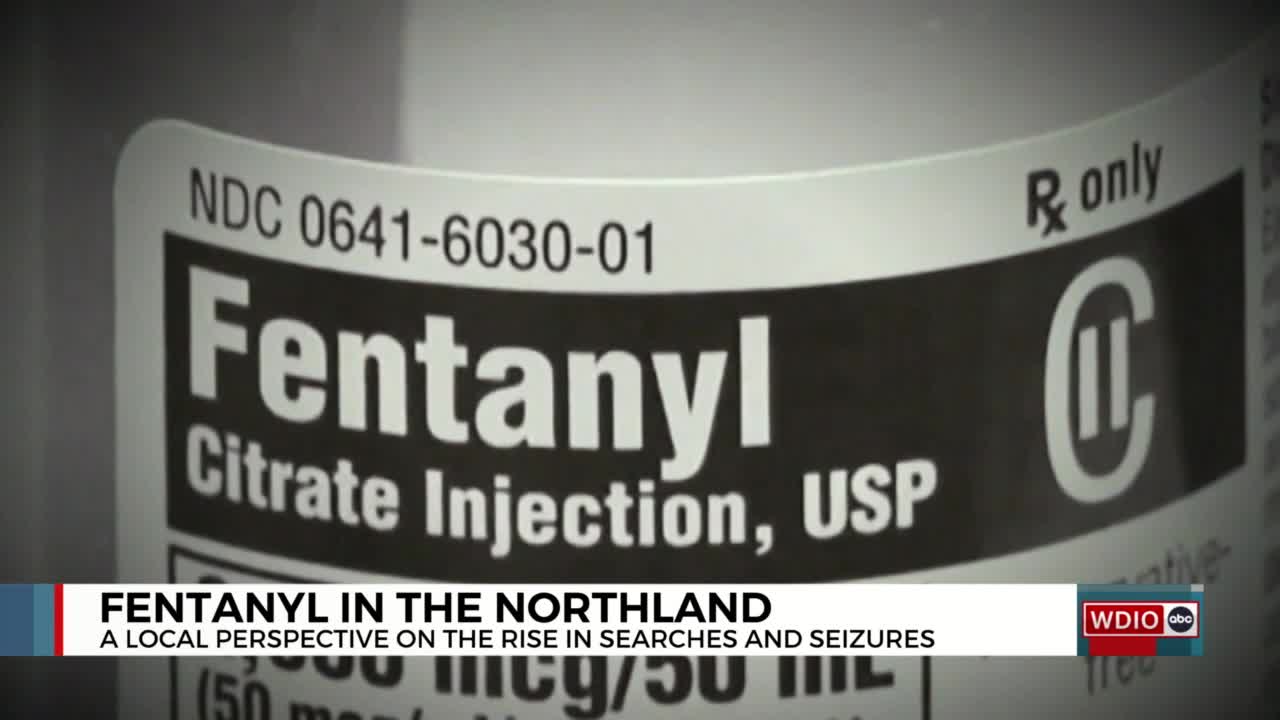
Overdose deaths in Lake County and the Northland have been moving down even as fentanyl stays on the streets, and Lt. Jason Tanski says that mismatch is exactly why residents should not read the decline as the end of the crisis.
Tanski, with the Lake Superior Violent Offender Task Force, said arrests and drug seizures have been “fairly steady” over the past couple of years even though the region is still dealing with methamphetamine, fentanyl and a smaller but noticeable rise in cocaine seizures. He said the supply continues to trace back to larger metropolitan areas, naming Minneapolis, St. Paul, Chicago and Detroit as the cities feeding the local market.

That matters because the task force is not just chasing street-level users. Tanski said the agency focuses on violent offenders and the supply chain, working with county, city, state and federal partners. The strategy is meant to reach the source, not just the visible damage in places like Duluth, Superior and communities across Lake County.

Public health data suggests the danger has not disappeared, even if fatal overdoses have eased. The Minnesota Department of Health says its county-level tables track resident overdose deaths from 2015 through 2024, and its monthly fatal overdose snapshot now compares suspected deaths with the same month a year earlier. In its 2024 statewide update, the agency reported 994 overdose deaths, down 26% from 1,338 in 2023. Opioid-involved deaths fell 32%, synthetic-opioid deaths fell 35%, and Greater Minnesota counties saw a 31% decline, compared with 23% in metro counties.
MDH also said nearly 15 people were treated for nonfatal overdoses in Minnesota hospitals for every one person who died of a drug overdose in 2024, a reminder that the crisis still sends many people to emergency rooms even when the fatal count drops. Tanski credited broader Narcan availability, drug education and the fact that officers have carried naloxone for years.
The task force’s casework shows why the supply side remains central. On Jan. 8, Duluth police said a Black P Stone investigation that began in May 2023 led to 10 search warrants, 24 arrests and $28,609 in seized cash. A separate April 23 operation led to the seizure of a Glock 26, four additional firearms, ammunition, accessories and about 30 grams of cocaine. Federal prosecutors have also tied Duluth-area fentanyl cases to Chicago supply chains, including one involving Ezell “Cash” Lucas of Chicago and another conspiracy case in which the Lake Superior Violent Offender Task Force was among the investigating agencies.
For Lake County, the message is sharp: fewer deaths are encouraging, but steady seizures and federal trafficking cases show the market is still active, and whether prevention and treatment are truly winning will depend on whether this decline holds.
This article was produced by Prism’s automated news system from verified source data, official records, and press releases, then run through automated quality and moderation checks before publishing. The system is built and supervised by the people who set the standards it runs under. Read our full AI policy.
Did this article answer your question?