Lake County State Parks Guide: Planning Visits to Gooseberry, Tettegouche, Split Rock
Gooseberry Falls parking fills by 1 p.m. even on weekdays. Here's the fee, timing, and trail plan that keeps your North Shore visit from unraveling.
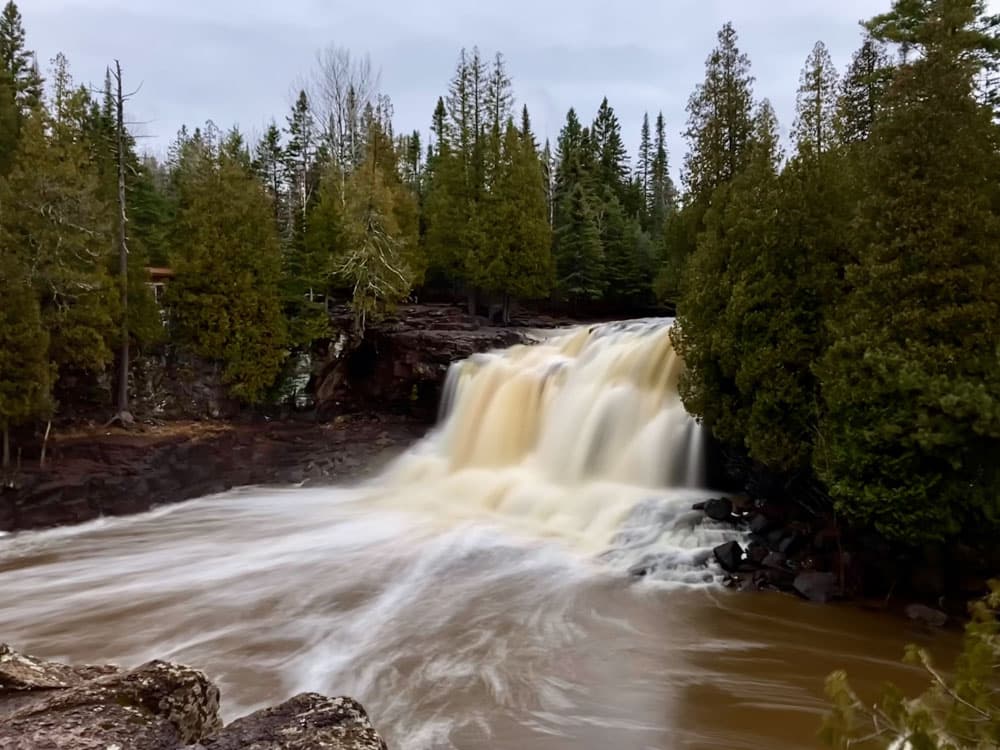
By 1 p.m. on an ordinary Wednesday in summer, the main parking lot at Gooseberry Falls State Park is full and cars are queued back onto Highway 61. That is not a holiday-weekend statistic. That is a Wednesday. It is also the single most useful piece of information any North Shore guide can hand you, because it reshapes every other decision in your day.
The Permit and Fee Basics
Every vehicle entering a Minnesota state park requires a valid permit, and Gooseberry Falls, Tettegouche, and Split Rock Lighthouse State Park are no exception. Annual and daily passes are available through the Minnesota DNR; purchasing before you arrive saves time at the gate and removes one variable from a morning when every minute of early arrival counts. All three parks run along the Highway 61 corridor between Duluth and Grand Marais, spaced close enough that a single day-use permit can cover stops at more than one if you plan the routing deliberately.
Campsite reservations at Gooseberry and Tettegouche book out weeks ahead during the summer season, and the DNR reservation system is the only channel that matters. Tettegouche draws tent campers specifically because of its limited electric hookups, and its cart-in sites offer genuine seclusion for visitors who plan early. If you are arriving without a reservation and hoping to camp, your odds improve sharply on weekday nights and in the shoulder season around Memorial Day or Labor Day.
Gooseberry Falls: Beat the Lot or Keep Moving
The Upper, Middle, and Lower Falls boardwalk loops are the park's central draw and its primary chokepoint. The trails are paved, the interpretive displays are well-placed, and the full loop from the main trailhead takes 30 to 60 minutes at a relaxed pace. That accessibility is exactly why the lot fills early: the park requires almost no fitness commitment, which means it pulls from the widest possible visitor pool on any warm summer day.
Arrive before 9 a.m. on summer weekends for a reasonable shot at a spot in the main lot. On weekdays, mid-morning is your practical outer limit. If you arrive after that window and the lot is full, the smarter move is continuing northeast toward Tettegouche rather than idling in a queue on the highway shoulder. The cobblestone beach at the Gooseberry River mouth is worth a few extra minutes before you leave; it adds a natural end point to the waterfall loop that many visitors miss entirely.
Tettegouche: The Payoff for Going Farther
About 20 minutes north of Gooseberry on Highway 61, Tettegouche State Park offers more demanding terrain and, on most summer days, noticeably thinner crowds at its inland trailheads. The Baptism River trail to High Falls, a 60-foot cascade, and the Shovel Point overlook above Lake Superior are the signature one-to-two-hour routes. Both involve rocky, uneven footing; the park rates most of its trails as moderate to difficult because of elevation change and constructed steps, not just distance. Wear sturdy footwear and plan accordingly.
The park also holds the historic Tettegouche Camp, where overnight cabin rental is available through the DNR for visitors who want more than a trailside tent. Rock climbing and spring birdwatching add dimensions beyond hiking, and several inland lakes within the park's 23-mile trail system are accessible only by foot, giving Tettegouche a backcountry feel that Gooseberry, for all its beauty, cannot match.
Split Rock Lighthouse: Budget for Two Separate Costs
Split Rock Lighthouse State Park carries a dual-fee structure that catches first-time visitors off guard. The DNR vehicle permit covers parking and access to the state park trails and shoreline, but touring the lighthouse buildings requires a separate admission paid to the Minnesota Historical Society, which administers the 7.6-acre light station within the park's 25-acre historic site. The lighthouse was completed in 1910 for $75,000 and is regarded as one of the most photographed in the United States; the MHS currently offers guided Hard Hat Tours for visitors interested in the ongoing restoration work.
Check MHS hours before making the 20-mile drive north from Two Harbors: the lighthouse buildings are subject to schedule changes due to active construction, and hours vary by season. The short coastal trail and cobblestone beach remain accessible without the MHS admission, making a stop worthwhile even if the tour does not fit your day. The lake views from the cliff edge alone justify the detour.
Trail Conditions, Cell Coverage, and What to Carry
Cell coverage along the Highway 61 corridor weakens considerably once you move inland or drop into river gorges at any of the three parks. Download the DNR's PDF trail maps before leaving Two Harbors or Silver Bay rather than counting on a data connection at the trailhead. Conditions change fast on the North Shore: spring runoff can make river-crossing sections impassable at Tettegouche, and post-storm debris closures happen without advance notice. Check the DNR park pages the morning of your visit after any significant weather.
- Wear sturdy, waterproof footwear. Wet basalt is consistently the source of injuries on North Shore trails.
- Layer up regardless of the forecast. Lake Superior wind at Shovel Point or the Split Rock shoreline can drop the feels-like temperature by 15 degrees or more compared to what the highway registered when you parked.
- Bring more water than you think you need; there are no reliable mid-trail water sources at any of the three parks.
- Check the DNR pages for temporary closures or safety advisories, especially during spring runoff season or in the week following a major storm.
Where Visitors Actually Spend Money
The economic life of this corridor runs through a narrow string of small towns that depend on summer park traffic to stay viable through the rest of the year. Two Harbors, the Lake County seat and the last full-service stop before Gooseberry heading northeast, handles fuel, groceries, lodging, and outfitter needs for the largest share of visitors. Silver Bay, positioned between Tettegouche and Split Rock, is the mid-corridor resupply point and the closest overnight base for visitors splitting time between both parks. Beaver Bay, the smallest of the three towns, sits just south of Tettegouche and supports year-round operators who benefit directly when park-goers choose to stop rather than drive back to Duluth.
The Lake County Chamber maintains a current member directory across lodging and dining categories for all three communities. Spending locally rather than loading up before leaving Duluth makes a measurable difference to the seasonal employment and year-round business survival that keep the North Shore functioning as a community rather than just a scenic drive.
Build the Day Around the Parking Window
The most effective approach for visiting all three parks in a single day starts at whichever park is first on your route before 9 a.m. That timing secures your parking, gives you the best morning light, and lets the crowds arrive after you are already on trail. Pick up fuel and groceries in Two Harbors rather than backtracking. Download trail maps offline and verify MHS hours at Split Rock the night before. The corridor's fragile shoreline and river ecosystems absorb enormous visitor pressure each season; staying on marked trails and following DNR guidance protects the conditions that make the drive up Highway 61 worth taking.
This article was produced by Prism’s automated news system from verified source data, official records, and press releases, then run through automated quality and moderation checks before publishing. The system is built and supervised by the people who set the standards it runs under. Read our full AI policy.
Did this article answer your question?